Ever walked into a space that just
feels
right? Like a warm hug from an old friend? That’s what happens when nature sneaks inside through textures, imperfections, and honest materials. Today, we're ditching the flash to chase calm, trading perfection for soul, and inviting wood grain into every corner. This isn't a design rulebook—it's a love letter to the quiet beauty of wabi-sabi living.
The Soul of Wabi-Sabi: Finding Beauty in the "Flaws"
Let's clear the air first—wabi-sabi isn’t some Instagram trend you copy-paste. It’s a whole mindset that whispers:
stop fighting imperfection
. Those knots in the wood? They tell stories. The uneven glaze on your ceramic vase? That's its fingerprint. It’s about embracing life’s gentle wear and tear instead of hiding it under layers of gloss.
Picture this: You've got a timber floor that’s seen a few summers. Instead of fretting over scratches, you feel them underfoot—like tracing history. Or that clay bowl with a lopsided rim that holds your morning coffee. It’s in these quirks that a space starts breathing with character.
Wabi-Sabi Tip:
Next time you choose timber, skip the factory-sterile stuff. Go for pieces with visible grain patterns and natural irregularities. That walnut tabletop with a faint scar? Not damaged—
distinguished
.
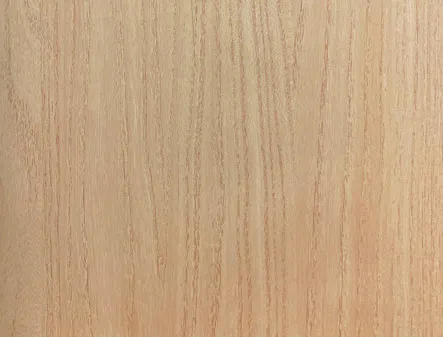
Wood Grains: The Heartbeat of Your Home
Think of wood as the anchor of wabi-sabi style. But not just any wood—
choose species that patina beautifully
over time. Oak, walnut, teak, and cedar aren’t just materials; they’re companions that mature with your home. Light catches their grooves differently each season, turning your floor into a living canvas.
Start from the ground up—literally. Walk barefoot in a showroom and feel what connects. Textured oak that mimics forest trails? That’s your foundation. Then layer raw textures: a chunky cedar coffee table, ashwood open shelving displaying your cracked-earth ceramics. Keep finishes matte—no high-gloss varnish allowed. Let the grains breathe like skin.
Mixing woods? Don’t stress over perfect matches. Pair walnut cabinets with lighter ash stools. That contrast? That’s nature talking. Remember: consistency comes from
texture harmony
, not color coordination.
Earth’s Palette: Colors That Whisper
Forget bold statements—wabi-sabi speaks in murmurs. Its palette? Desert sands, mushroom grays, faded terracottas. These aren’t colors—they’re sensations that calm the eye. Start with a base tone (like soft putty walls), then build depth with subtle variations.
Pull hues straight from nature: mossy greens in linen cushions, foggy blues in hand-dyed rugs. Japanese color wisdom works wonders here—mute what screams; amplify what sighs. That vintage indigo fabric? Frame it with warm gravel tones. Your space becomes a meditation.
Color Harmony Trick:
Use wooden elements to anchor your palette. Timber beams against sand-colored walls? Divine. Wood grain against slate blues? Magic. Let nature bridge your shades.
Craft Over Mass-Produced: Objects That Matter
Here's where wabi-sabi packs its punch: surrounding yourself with pieces that feel
human-made
. That doesn’t mean expensive—it means mindful. A ceramic mug from that potter at the farmers' market. A one-off table from a carpenter nearby. Even better if it's
custom furniture
—something tailored to your life’s rhythm.
When objects show handprints—like irregular weaving or visible joinery—they vibrate with warmth. Display them proudly: shelf that wobbly vase. Don’t hide the ink blot on your paper lamp. Their flaws are their signatures.
Make your home a gallery of stories: the quilt grandma stitched, the driftwood you found on holiday, the hand-thrown plates chip slowly at the edges. Each tells truth—no mass-production here.
Letting Go: The Art of Breathing Space
Minimalism misses the point. Wabi-sabi isn’t sparse—it’s uncluttered. It’s about
curation, not emptiness
. Keep only what pulls its weight—like that oak stool you actually sit on, not the trendy-but-useless sculpture. Edit ruthlessly: if it doesn’t serve or spark warmth? Pass it on.
Organize around rituals: the coffee nook needs just the pot, mugs, and beans. The reading chair? A lamp and your wool throw. Give objects air to exist—don’t cram shelves. Space feels sacred when intentions lead.
Nature Indoors: Breathing Life In
You can't fake life. Plants bring gentle energy—pothos trailing shelves, olive trees by windows. But think beyond pots: stone pebbles in trays, bamboo blinds filtering light, linen reflecting cloud shapes. Place them strategically: a mossy centerpiece among oak grain tables? Perfect harmony.
Embrace seasons: dried autumn stems in clay pots. Winter branches shadow-dancing on walls. Rotate with nature’s rhythm—your decor evolves naturally. And windows? Uncover them! Sun tracing timber grain patterns is the best art.
Lighting That Hugs: Mood Over Blast
Overhead spots kill wabi-sabi soul. Instead, create
pools of intimacy
: fabric-diffused floor lamp in the corner. Hand-cast ceramic pendants hovering low over tables. Wall sconces that carve warmth into timber panels. Light should graze textures—highlighting grooves without washing out stories.
Use dimmers everywhere. As day fades, so should your lights—mimicking dusk’s gentle surrender. Try candlelight too—its flicker against clay or cedar? Pure poetry. Downlights only for chopping veggies—they serve function, not mood.
Lighting Secret:
Place lights to reflect off wood surfaces. A beam bouncing off your oak floor? That’s how you make grain patterns sing after dark.
The Last Word: Home as Sanctuary
Building wabi-sabi style isn’t about copying a look—it’s finding comfort in impermanence. It’s choosing patina over polish. It's that moment your hand brushes against roughly-sanded cedar shelving while sipping tea from that lopsided mug you love. There’s no rush here—wood grains deepen; ceramics chip; linen softens. Your home evolves like you do.
So start where your feet land—the floor. Choose timber that feels like walking on forest ground. Add texture by hand, not machine. Honor mistakes that show humanity. Build with nature’s palette. Then sit back and watch sunlight dance across the grain, and you’ll feel it: your house didn't just get designed—it got alive. And really, isn’t that the only kind of perfect worth having?