
Practical Strategies to Maximize Energy Production During the Coldest Months
Hey folks, let's talk about something every cold-climate solar owner faces: dealing with snow-covered panels. You know the feeling - you invested in solar technology to cut energy costs and reduce your carbon footprint, only to watch your panels sit idle under a blanket of snow for days or weeks at a time. It's frustrating, but I've got good news: you're not powerless against winter's challenges.
From my conversations with solar owners across snowy regions, I've learned that winter solar efficiency comes down to three key principles: smart system design, proactive maintenance, and understanding your local weather patterns. Just like the NOAA winter outlook threads where neighbors share predictions and experiences, we'll explore real solutions tested by people living with heavy snow seasons.
Before we dive into specifics, remember what Winter Park, Florida teaches us - even mild-winter areas face unexpected cold snaps. Their median January temperature may be 59°F, but that occasional dip below freezing reminds us that preparation matters everywhere. So whether you're in Minnesota or Virginia, these strategies apply.
First, let's get real about the stakes:
But here's the encouraging part: Homeowners I've worked with who implement strategic snow solutions recover 60-95% of their winter production potential. That's energy dollars staying in your pocket instead of going to the utility company.
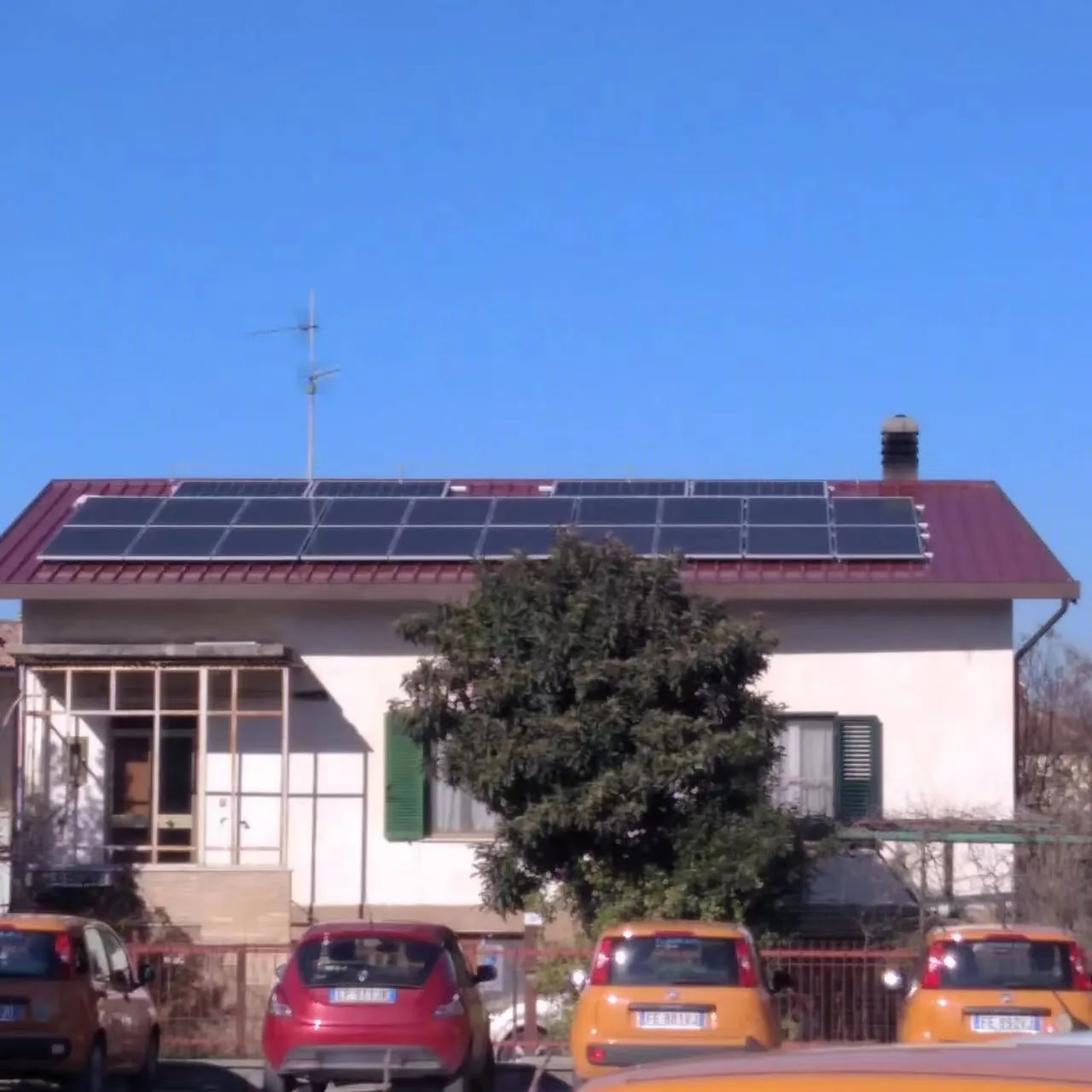
Let Mother Nature Help: Panels are designed to shed snow naturally when the sun emerges. A 35° tilt is the sweet spot - steep enough for snow slides, shallow enough to prevent avalanche damage.
DIY Options: Use extension poles with foam heads to gently push snow off ground-level installations. For roofs? Try roof rakes with non-abrasive edges - we've seen too many scratched panels from metal blades!
Heating Systems: These integrated solar panel solutions trickle electricity back into panels to melt snow. One Minnesota user reported they clear 80% of snow events without lifting a finger.
Automatic Sweepers: Robotic arms that traverse panel rows. Expensive ($2k+) but worth it for commercial installations or hard-to-reach residential arrays.
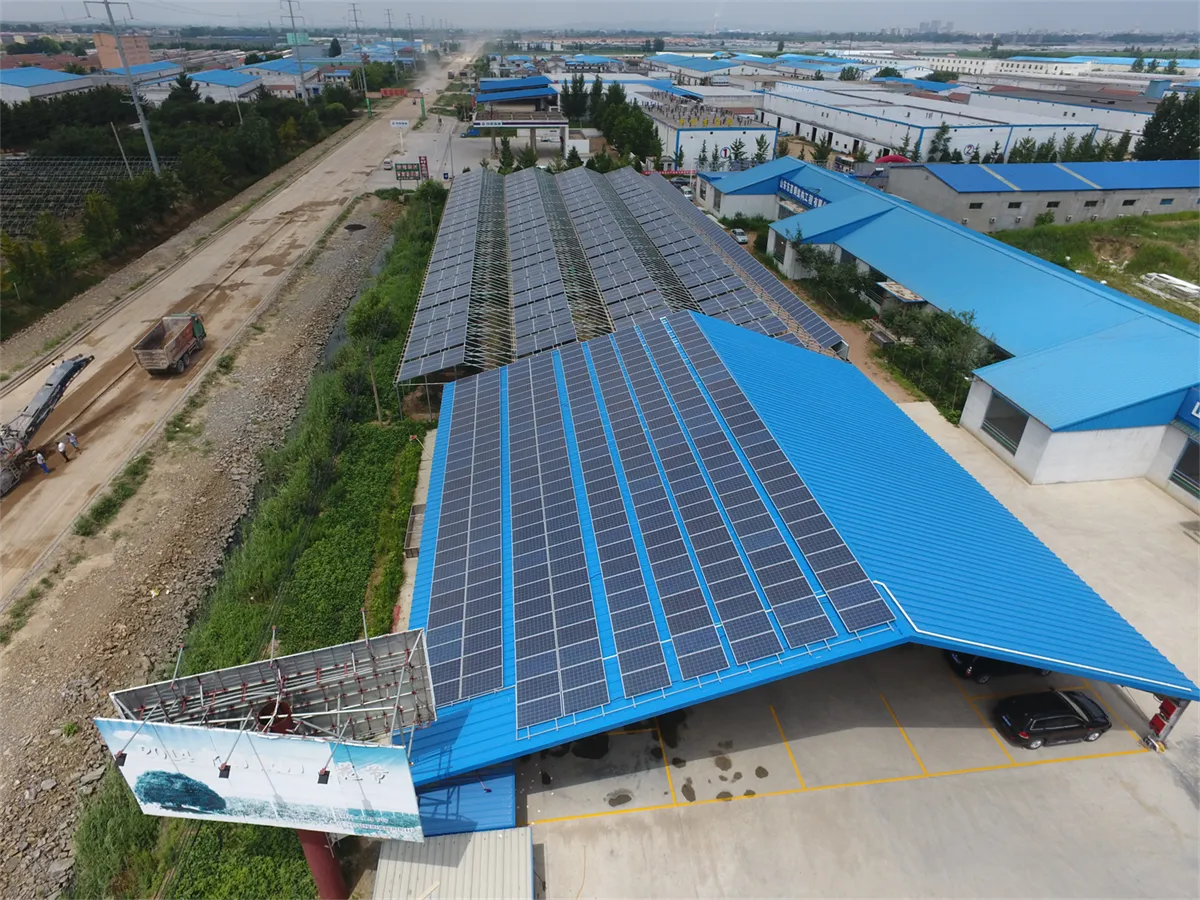
Tilt Matters: Go steeper than textbook recommendations. Snow Belt veterans swear by 45° angles despite minor summer efficiency tradeoffs.
Clearing Space: Maintain 2ft gaps between rows so fallen snow doesn't pile against the next panel row.
Glass Coatings: Hydrophobic nano-coatings make snow slide off like eggs from Teflon. Worth every penny in regions with lake-effect snow.
Frame Durability: Marine-grade aluminum frames withstand freeze-thaw cycles better than standard options. Look for IP68-rated components.
A Colorado installer shared this wisdom: "We design New England solar panel solutions differently than California systems. It's not about cutting costs - it's about matching components to climate realities."
From forum conversations, we've compiled battle-tested routines:
A Michigan family shared their secret: "We attach foam pool noodles to extension poles - gentle enough for panels, cheap enough to replace yearly when they deteriorate."
Expect nor'easters with wet, heavy snow. Prioritize structural integrity in racking systems and consider heating elements for quick-melt cycles that prevent ice dams.
Powder snow slides easily, but sub-zero temps demand cold-rated inverters. Keep those ventilation areas clear!
One memorable quote from a Maine solar group: "The moment I saw my neighbor using a flamethrower on his panels, I knew we needed community education on proper winter care!"
Emerging solar panel solutions address unique winter challenges:
These innovations aren't cheap, but for remote cabins or commercial sites where access is difficult, they transform winter productivity.
Yes, winter protection adds costs. But let's analyze a real Minnesota case:
| Investment | Cost | Production Gain | Payback Period |
|---|---|---|---|
| Tilt Optimization | $300 | +15% | 2 winters |
| Nano-Coating | $175 | +10% | 1.5 winters |
| Heating System | $900 | +35% | 4 winters |
The bottom line? Most snow mitigation investments pay for themselves in 1-4 seasons depending on your local snowfall severity and electricity costs.
At its core, winter solar management mirrors how we approach all climate challenges: understanding local conditions, choosing appropriate technologies, and developing sustainable routines.
As one Wisconsin farmer put it during an online forum discussion: "My solar panels now outperform my plow truck for snow-clearing investments. They generate power while protecting themselves - now that's smart wintering!"
These strategies transform passive snow victims into empowered energy producers. When those flakes start falling, you won't see lost productivity - just water temporarily resting before continuing your renewable energy journey.
Recommend Products












