
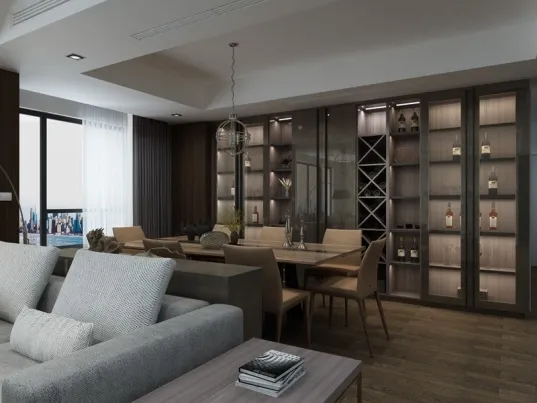
Picture this: you've just uncorked that special bottle you've been saving for years. But instead of pure delight, you're hit with disappointment – the wine tastes flat, lifeless. What went wrong? The culprit is often poor storage. This is where Chinese wine cabinet manufacturers step in as unsung heroes of the wine world.
China has quietly become a global powerhouse in crafting wine preservation solutions that balance cutting-edge tech with artisanal touch. From compact countertop units to sprawling commercial cellars, these factories fuse engineering precision with an intimate understanding of what makes wine truly sing.
Walking through a factory in Guangdong or Zhejiang province, you'd witness a ballet of craftsmanship. Not cold assembly lines, but skilled hands tuning dual-zone temperature systems like watchmakers. Engineers huddle over humidity sensors, debating how to mimic Burgundy's limestone caves. Designers sketch curves that cradle bottles like a sommelier's palm.
The heart of any wine cabinet isn't steel or glass – it's the invisible dance of air. Top factories deploy micro-environment tech creating multiple climate zones in a single unit. Your Barolo rests at 14°C/70% RH while Champagne chills at 7°C without exchanging whispers.
Ever noticed restaurant wine cabinets don't rumble like fridges? That's acoustic engineering borrowed from concert halls. Vibration-dampening shelves isolate bottles from compressor murmurs, because even sound waves disturb a wine's beauty sleep.
Chinese manufacturers solved the sunlight paradox: how to display bottles without damaging them. Nano-coatings on glass block UV rays while specialty LEDs beam through wines like sunrise through stained glass – revealing colors without degrading flavors.
Where Chinese factories really shine is understanding that wine storage isn't about appliances – it's about preserving memories and moments.
I once toured a Shenzhen factory where workers hand-finished cedar racks. When I asked about the obsessive sanding, the foreman grinned: "Every scratch we prevent is a scratch your grandchild won't find on their inheritance bottle." That mindset permeates everything.
The best factories don't just meet specs; they anticipate needs you didn't know you had. Like pull-out "service alleys" letting you replace racks without emptying the cabinet. Or angled shelves designed by ex-waiters – no more awkward bottle juggling during dinner parties.
Navigating manufacturers can feel dizzying. After seeing hundreds of operations, patterns emerge:
Pro tip: Watch how they test door seals. The elite factories use infrared cameras detecting microscopic air leaks – overkill that prevents lifetime disasters. Also, request vibration reports measured in microns.
Chinese manufacturers aren't resting. Walk trade show booths and you'll spot revolutionary concepts:
Self-Healing Materials: Cabinets with glass that seals micro-scratches using ambient humidity. AI Sommeliers: Cameras scanning labels to auto-adjust conditions based on vintage charts. Modular Ecosystems: Units that grow with your collection like wine Lego.
Perhaps most exciting? Sustainability shifts. I've seen factories using rice husks for insulation and recycled cork composite racks. One Shanghai innovator even created a carbon-negative cabinet absorbing CO2 through algae-filled panels!
The bottom line: China's wine cabinet scene blends tradition with jaw-dropping innovation. These aren't cold appliances rolling off conveyor belts. They're carefully considered environments crafted by people who understand that inside each bottle waits magic, memories and milestones – all deserving perfect sanctuary.
And through all these innovations, manufacturers maintain a crucial link to the artistry of wine preservation – the secret being careful integration of solutions focused on long-term elegance above all.
Recommend Products












