


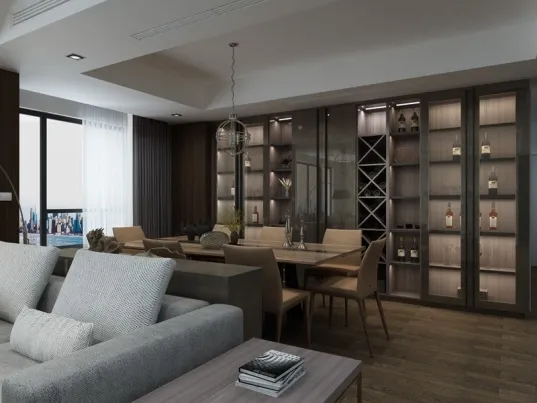
Wine Storage Fundamentals
What's the big deal about temperature control?
Picture your favorite bottle of Cabernet - now imagine it ruined because someone left it sitting on a sunny windowsill. Temperature fluctuations are like kryptonite to wine. The molecules expand and contract, pushing corks out or letting air sneak in. That's why dedicated wine cabinets use precision cooling systems to maintain that sweet spot between 45-65°F (7-18°C). Unlike your regular fridge that blasts arctic air whenever you grab milk, a proper wine cabinet gradually adjusts like a thermostat in a fine European cellar.
Why does humidity matter so much?
Here's a fun fact: corks can dry out faster than your phone battery on video call. Low humidity turns your precious stopper into a shriveled raisin, creating microscopic gaps for oxygen to creep in. Most cabinets maintain 50-80% humidity - enough to keep corks plump without growing mushrooms in your Merlot. Think of it like a tropical vacation for your bottles, minus the sand in your swimsuit.
Wine Cabinet Features Explained
Single zone vs dual zone: Which do I need?
Imagine trying to store ice cream and tomatoes in the same drawer - that's basically mixing reds and whites without temperature zones. Single zone cabinets maintain one constant temperature (perfect if you're exclusively Team Pinot Noir). Dual zone units? They're the multitaskers - keep your Sauvignon Blanc crisp at 45°F in one section while your Shiraz lounges at 60°F in the other. It's like having two mini cellars stacked together without the construction headaches.
How does vibration affect my wine?
Your bottles aren't lazy, but they do hate unnecessary movement. Regular refrigerators vibrate like old washing machines during spin cycle, which stirs up sediment and disrupts aging. Quality wine cabinets use silent compressors mounted on shock absorbers - basically putting your wine on a vibration-free yoga retreat. The subtle difference? Vibrating wines age like milk left in the sun, while properly stored bottles mature like George Clooney - only getting better with time.
Real World Wine Cabinet Solutions
Built-in vs freestanding: What works for my space?
This decision depends on whether your kitchen is a minimalist masterpiece or looks like a college dorm kitchen. Built-in cabinets integrate flush with cabinetry (think invisible appliances in fancy showrooms). They require specific clearance and ventilation - not a "stuff it in the corner" solution. Freestanding models are the jeans-and-t-shirt option: works anywhere with power and 4 inches of breathing room. Fun fact: many freestanding units look so sharp you won't want to hide them!
What's the secret to organizing bottles?
Bottles crammed like commuters on rush-hour subway? Bad idea. Standard shelves store only specific bottle shapes vertically. Adjustable or slide-out shelves? Game changers. Keep everyday wines at eye level like grocery store impulse buys, while precious vintages rest undisturbed in deeper cubbies. One pro tip: store wines slightly tilted so the cork stays wine-kissed moist. And please - don't organize by label color unless you're making an Instagram post instead of drinking.
Advanced Wine Management
How long will my wines actually last?
That bargain bin Cabernet? Drink it by next Tuesday. A vintage Bordeaux? Could evolve beautifully for decades if stored right. Most modern wines (90% of what we buy) hit their peak in 1-5 years. The magic happens when your cabinet provides stable conditions letting wines develop complexity instead of turning to vinegar. It's like speed control on aging - where proper storage can add 5-15 years to a wine's drinking window. Remember: drinking a wine too early is like picking green fruit - technically edible but seriously disappointing.
Can I really use my wine cabinet long-term?
You'll appreciate that your wine cabinet integrates easily with your kitchen space whether freestanding or built-in. A quality wine cabinet becomes your personal sommelier that never takes vacation days or judges your pairing choices. Modern units with carbon filters prevent your Chardonnay from tasting like last night's leftovers, while UV-resistant glass protects against light damage (wine's version of sunscreen). For collectors needing decades-long storage, consider models with triple-pane glass and humidity buffers - basically climate-controlled bunkers for your liquid treasures.
Troubleshooting & Maintenance
My cabinet's humming louder lately - panic time?
Before you call emergency services: modern wine cabinets purr at library volumes (30-45 decibels). Anything louder than a conversation? Check these first: Is it crammed against the wall? Dust bunnies clogging the vents? Bottles rattling together during compressor kicks? Simple fixes usually calm the noise beast. But if it starts sounding like a helicopter landing in your kitchen, that’s service-call territory.
How do I clean without damaging my bottles?
Rule #1: skip the bleach unless you want your Riesling tasting like swimming pool water. Twice yearly, empty the cabinet completely. Wipe surfaces with baking soda paste or diluted vinegar (the smell vanishes fast). Clean glass with newspaper and distilled water - no streaks! Defrost any built-up ice around cooling components. And if you spill wine inside? Immediately blot with damp cloth - no rubbing unless you want permanent Cabernet wallpaper!
More Wine Storage Insights
Is wine rotation really necessary?
You shuffle socks; why not wine? Rotation prevents "bottle fatigue" where the same wines constantly get bumped and jostled. Every 3 months, rearrange bottles so the newly added ones aren't hogging prime real estate. Move aging reds to quieter zones while everyday whites stay accessible. Bonus: rotation reveals forgotten gems - that special Barolo hiding behind the boxed wines like wallflowers at a dance.
Can I store non-wine items safely?
Technically? Yes. Smartly? Nope. Cheese might be wine's soulmate but storing it together is like letting cats and dogs share a kennel. The smells permeate corks, the humidity wrecks cheese texture, and temperature needs conflict. If you MUST break rules, use sealed containers in separate compartments. But truly - invest in a cheese drawer instead. Your Malbec doesn't need to smell like Gruyère.
What about custom features I might need?
Wine preferences are as unique as fingerprints. Some need magnum-sized racks for celebration bottles; others need narrow shelves for German Rieslings. Left-handed? Reverse-hinged doors exist! Entertainers love quick-access zones at perfect serving temp without disturbing long-term storage. The key: know your habits BEFORE buying. It’s easier to configure during purchase than retrofitting shelves later.
Wine Wisdom for Collectors
How does cabinet storage compare to real cellars?
Underground caves have that romantic mystique, but modern cabinets deliver the same benefits without medieval dungeon vibes. Both provide darkness, stable temp/humidity, and vibration control. But while cellars depend on your home's natural conditions, cabinets create perfect microclimates anywhere - apartments, garages, even bedrooms. Today's high-end units even surpass poorly designed cellars that get too hot in summer. It’s climate science defeating geography!
Should I worry about power outages?
If the lights go out: First, don’t panic open the door - cabinets are surprisingly insulated like high-end coolers. A sealed unit maintains temperature 12-24 hours easily during outages. For longer blackouts? Transfer bottles to ice-filled coolers temporarily. Serious collectors install battery backups - basically juice boxes for your wine fridge. But truthfully? Unless you live where power fails weekly, your wines will be just fine.
Final Thoughts & Recommendations
Investing in a proper wine cabinet shows you respect what’s inside those bottles. From choosing between single-zone units for specialists to dual-zone systems for versatility, each feature supports the complex science of wine preservation. Your collection deserves protection from temperature swings, drying corks, and the chaos of regular kitchen refrigeration. Remember that fine wine isn't just made—it's preserved. A temperature-controlled wine cabinet becomes your partner in that journey.
When selecting, balance capacity needs against your actual drinking habits. There's charm in overflowing racks, but a half-empty cabinet wastes energy while overcrowded bottles risk damage. Consider placement carefully—avoid sunny windows or heat-spewing appliances. Like your wines themselves, the perfect cabinet finds harmony between functionality and aesthetics. It becomes living decor rather than just another appliance.
Ultimately, your wine cabinet transforms how you experience wine. No more guessing if that special bottle survived garage storage summers. No more serving Chardonnay at vodka temperatures. Just beautifully preserved wines ready at their perfect moments - whether it's Tuesday night takeout or anniversary celebrations. That reliability? That's priceless.










