
Hey there wine enthusiasts! Ever found yourself staring at your wine collection wondering if your cabinets are doing their best to protect those precious bottles? You're not alone. Choosing the right door for your wine cabinet is like picking the perfect outfit – it needs to look great, feel right, and serve a purpose. This isn't just about aesthetics; it's about temperature control, humidity protection, and creating the perfect environment for your wines to mature gracefully.
Over at WineHQ forums, seasoned collectors debate this endlessly – some swear by the classic charm of wood, others love the sleek look of metal, and many can't resist the modern appeal of glass. Their discussions emphasize how structural choices like door materials impact insulation efficiency. Meanwhile, technical folks (like those at Superuser) get deep into the science of maintaining headless systems – similar to what you need for silent, efficient wine storage that just works without fuss.
Today, we'll break down everything you need to know about glass, solid wood, and stainless steel wine cabinet doors. We'll look at cost, insulation properties, maintenance, and styling to help you make a choice that feels right for both your wines and your space. And when we talk about custom furniture solutions, remember that's always an option for truly tailored wine storage.
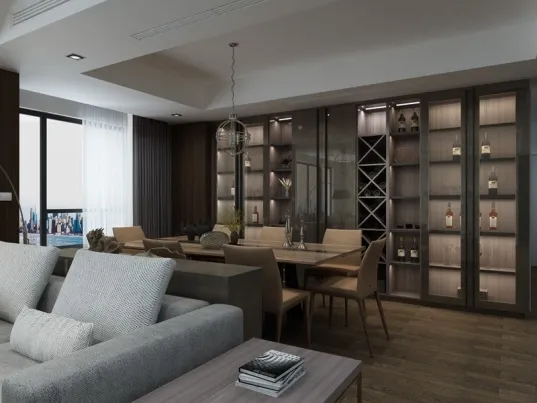
Imagine walking into your dining room and being greeted by the beautiful sight of your wine collection. Glass doors turn your storage into a display case, creating visual drama while protecting your bottles from light exposure. It's like having your own mini wine gallery at home.
"Glass transforms wine storage from functional to experiential," says sommelier David Laurent. "Seeing the bottles invites interaction – you find yourself admiring labels, noticing vintages, actually engaging with your collection."
The UV-protected glass matters – not all glass is created equal. You'll want either laminated or tempered glass with low-E coating to block harmful rays. And for climate control, multi-pane designs (double or triple glazing) work best to maintain temperature integrity.
Wood cabinets feel like coming home – warm, inviting, and timeless. Whether you choose rich walnut, elegant cherry, or classic oak, wood adds organic beauty to any space. Unlike glass, they create a "secret cellar" vibe, keeping your treasures hidden until you're ready to reveal them.
Vintner Maria Gutierrez explains: "Wood naturally breathes, helping maintain humidity balance. Our ancestors stored wine in wooden cellars for centuries – that traditional wisdom still holds value today."
Hardwoods like mahogany or teak offer incredible longevity but come with a premium price tag. Engineered woods provide better moisture resistance but may lack character. For insulation, thickness is key – 1.5-2 inch solid panels outperform thinner alternatives significantly.
Think sleek professional kitchens and high-end restaurants – stainless steel brings that professional feel home. Its reflective surface adds light to spaces, while its toughness screams durability. Perfect for modern lofts or minimalist spaces looking for that architectural statement piece.
"In my commercial experience," notes kitchen designer Liam Chen, "stainless outperforms everything in high-moisture environments. Those same benefits translate wonderfully to home wine storage where temperature stability matters."
Many stainless doors incorporate polyurethane foam cores – some up to 4 inches thick – creating incredible thermal breaks. For wine collectors in warm climates, this thermal efficiency can mean significant energy savings and more stable cellar conditions.
| Feature | Glass Doors | Solid Wood Doors | Stainless Steel Doors |
|---|---|---|---|
| Insulation Value | Fair (depends on glazing) | Excellent (best performance) | Very Good (with core insulation) |
| Humidity Control | Poor (sealed too tightly) | Excellent (natural breathing) | Good (but needs active management) |
| UV Protection | Specialty coating required | Inherent protection | Complete protection |
| Maintenance Level | High (frequent cleaning) | Medium (seasonal conditioning) | Low (wipes clean easily) |
| Cost Range (per sq. ft) | $100-$400 | $300-$900 | $200-$700 |
| Lifespan | 20-40 years | 50-100+ years | 40-60 years |
Weight matters: Glass and stainless steel doors need reinforced cabinet boxes. Wood doors are surprisingly heavy too! Make sure your floor supports the load.
Sealing is critical: Even the best door won't perform without proper seals. Double-pile magnetic stripping works best for all types.
Custom fitting: Unlike standard cabinets, wine storage needs vapor-proofing treatments on cut edges.
Handle choices: Beyond looks, consider ergonomics. Flush pulls prevent snagging; large U-bars accommodate full hands.
When to choose glass: For curated, frequently accessed collections; small displays (12-24 bottles); or when making a design statement is as important as storage.
When to choose wood: For valuable collections needing optimal aging conditions; humid or historic homes; traditional or rustic interiors; collectors focused solely on preservation.
When to choose stainless: For modern spaces; beach homes or humid climates; collectors wanting low maintenance; or for dedicated temperature-controlled wine cabinets with active cooling systems.
"My wood-door cabinet holds humidity perfectly, but I miss seeing my bottles. Solution? I added a single glass-panel accent door to my larger wood unit. Best of both worlds!" – Robert T., Collector since 2005
Who says you must choose one style? Hybrid designs combine different materials:
Custom furniture approaches let you combine style with functional requirements. If you're willing to work with specialized cabinetmakers, you can get precise humidity venting, specialized insulation, and personalized features like:
Glass: Use ammonia-free cleaners weekly; check seal integrity biannually; replace UV coatings every 5-7 years.
Wood: Condition quarterly with specialty oils; refinish every 3-5 years; monitor for warping near heat sources; maintain 60% humidity.
Stainless: Microfiber cleaning weekly; apply protective waxes annually; inspect hinges yearly; avoid chloride cleaners.
All types require: Gasket inspection every 6 months; checking door alignment; ensuring proper clearance (especially with tile/temperature shifts); and verifying seal tightness using the dollar bill test.
Picking between glass, wood, and stainless doors represents more than an aesthetic choice—it's a commitment to how you'll interact with your collection for decades. Glass opens your wines to daily admiration; wood protects them like precious heirlooms; and stainless offers futuristic efficiency.
Consider visiting specialty stores to feel these materials firsthand. Open sample doors. Assess hardware. See how lighting plays on surfaces. If possible, visit collectors with different setups to understand real-world performance.
Ultimately, when your chosen cabinet houses its first bottles perfectly, you'll understand how much the right door matters. Cheers to finding your perfect wine cabinet doors!
Recommend Products












