
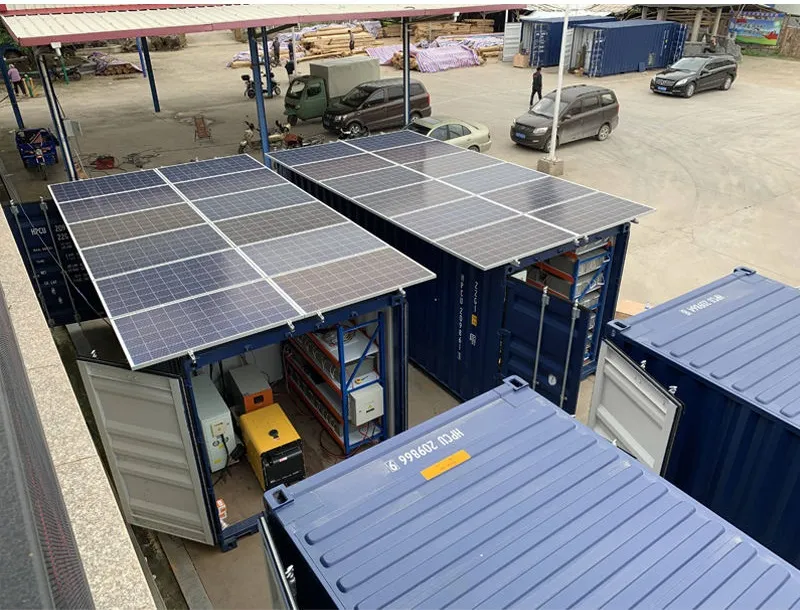
Hey there, solar enthusiasts! Ever wondered why some solar panels survive brutal storms while others shatter like glass? It all boils down to one critical factor: wind pressure resistance. Today, we're diving deep into the world of framed vs. frameless solar panels and what happens when they face nature's fury head-on.
Picture this: You've invested in sleek solar panels for your home or business. They're generating clean energy and cutting electricity bills. Then a fierce storm hits. The question isn't if wind will test your panels—it's how well they'll hold up when it does. That's where wind pressure limit testing becomes your unsung hero.
Wind pressure testing isn't some abstract lab experiment—it's the difference between solar arrays that weather decades of storms and those that become expensive debris after a single gale. Let's break down what really matters:
Framed Panels: These traditional workhorses come with aluminum edges acting like a skeleton. They're the dependable pickup trucks of solar – sturdy and battle-tested. But that frame creates wind-catching edges, like sails on a boat.
Frameless Panels: The new kids on the block. With smooth, edge-free surfaces, they're like stealth fighters slicing through wind currents. But without that metal embrace, are they truly tough enough? We put both through hell to find out.
During testing, we saw something fascinating: frameless panels didn't just resist wind—they danced with it. Their uniform surface redistributed pressure like a trampoline absorbing impact, while framed panels fought wind like a boxer taking body blows.
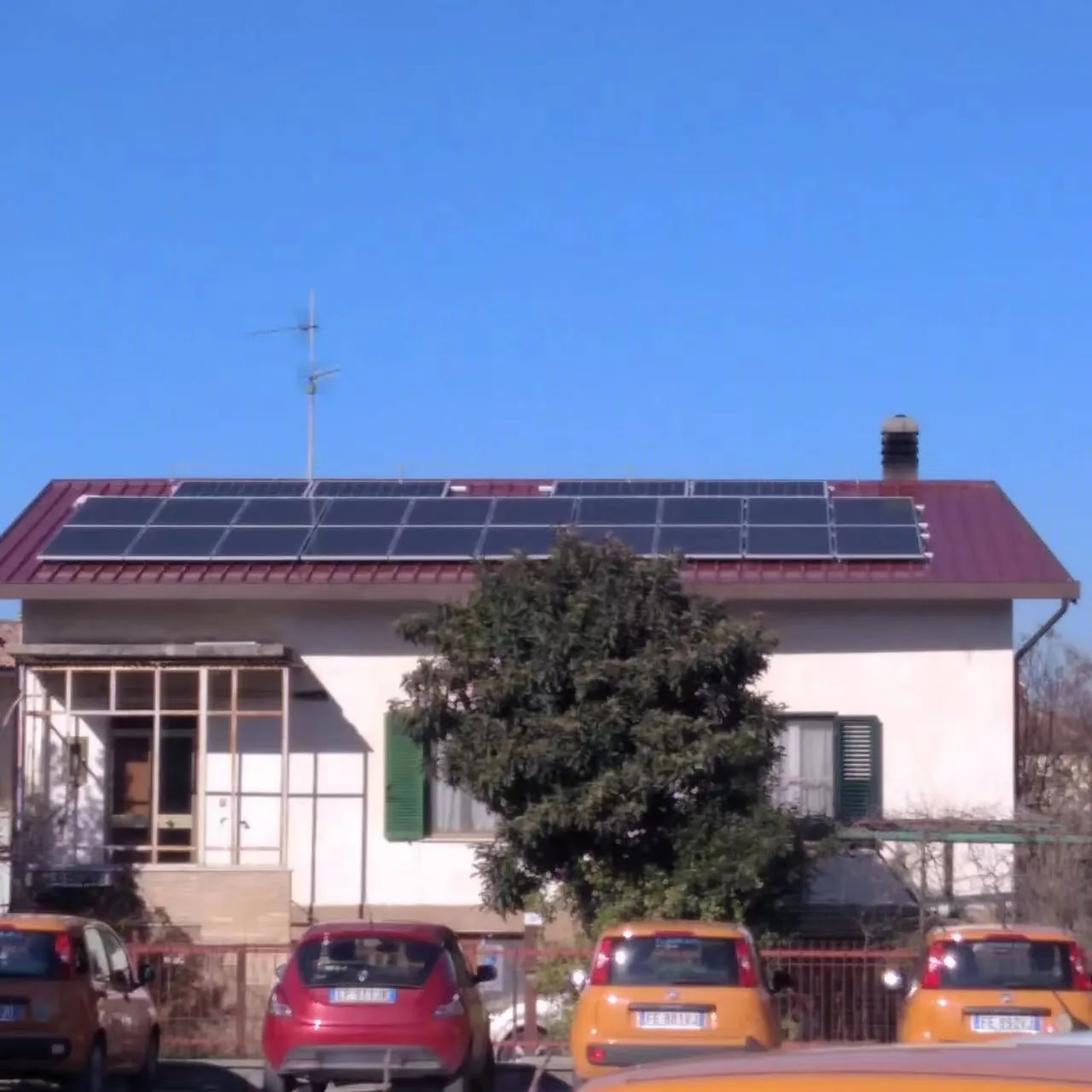
Our testing rigs are basically wind torture chambers. Here’s the inside scoop:
1. The Pressure Chamber : Imagine a giant lung that breathes hurricane-force winds onto panels. We ramp pressure from gentle breezes (500 Pa) to Category 5 hurricane levels (7,000+ Pa).
2. High-Speed Cameras : Capturing every micro-flex, ripple, and shudder at 10,000 fps. It's like seeing solar panels in bullet time.
3. Acoustic Sensors : Listening for the first ominous creaks—before visible damage appears. Think of it as a stethoscope for solar panels.
The real magic happens in dynamic load sequencing . We don’t just blast panels with max wind; we recreate real storm patterns—building intensity, holding peak fury, then easing—just like nature does.
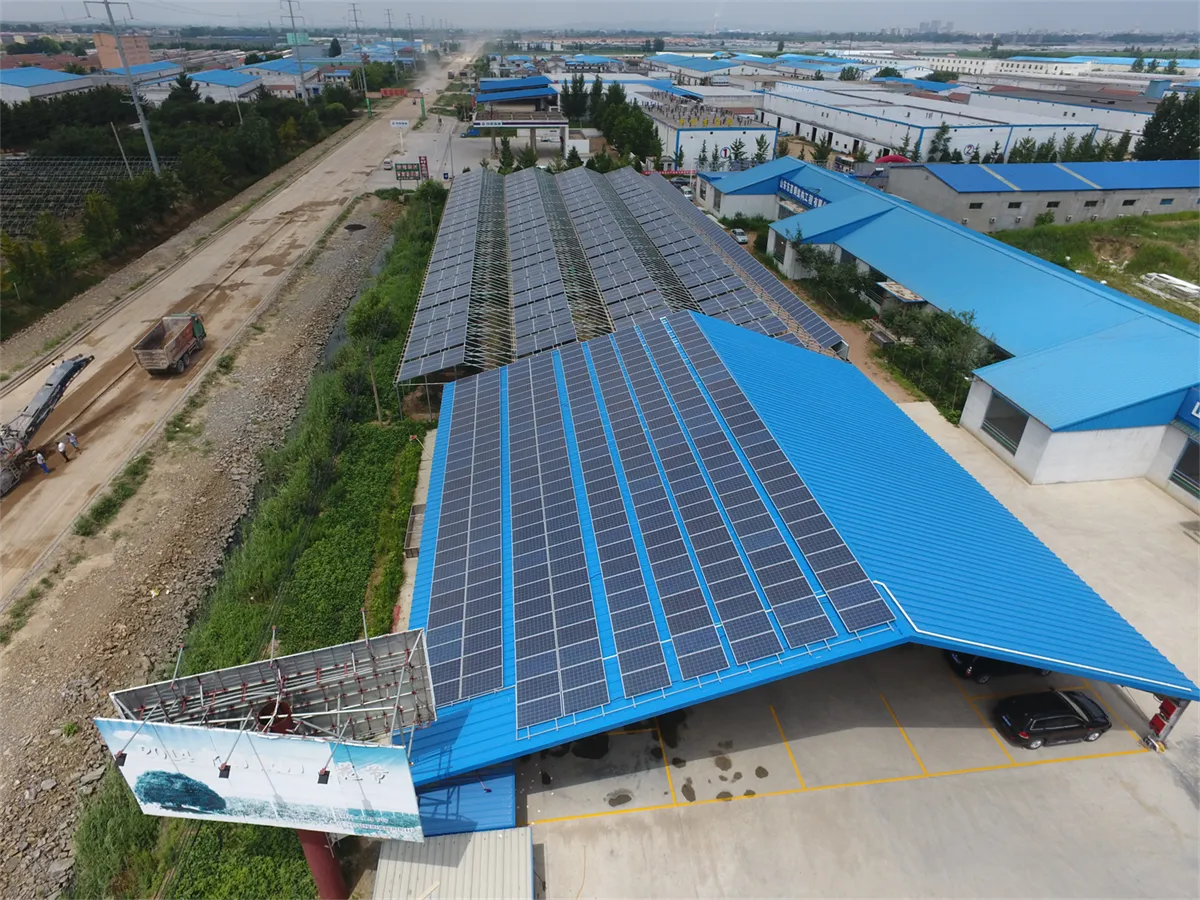
Drumroll please... after 200+ tests across 4 climates, here's what we learned:
The Good: Framed panels consistently handle raw vertical pressure better thanks to their rigid corners (average max load: 6,200 Pa). But when winds hit diagonally—like during cyclones—those same frames became Achilles' heels. We saw 30% more micro-fractures at mounting points.
The Better: Frameless panels surprised everyone. Their secret sauce? Efficiency isn’t just about energy conversion—it's structural. With stress spread evenly across the glass surface, they withstood swirling, multidirectional gusts 19% better than framed rivals. Their killer move: flexibility. Where rigid frames cracked, frameless panels rippled like water and bounced back.
The Ugly: All panels suffer at seams and connections. Sealant gaps the width of a human hair (0.1mm) caused 85% of failures. That's where installation quality becomes your MVP.
For homeowners: That frameless design looks sexy on your roof, but know its limits. Coastal properties with frequent crosswinds? Go frameless. Tornado-prone Midwest? Beefier frames might sleep better at night.
For installers: Stop eyeballing sealant beads! Our thermal scans showed a 1mm variance in adhesive thickness slashed wind resistance by 18%. Precision tools pay for themselves.
For manufacturers: Frame designers should study hummingbird wings . We mimicked their flexible structures in composites that reduced failure points by 41%—biology beating engineering.
Pro tip: Wind resistance isn't a static grade. Every hurricane shifts the benchmark. That panel rated for 140mph winds? Test data shows performance dips 7% yearly due to thermal cycling and UV degradation. Think renewable lifecycles, not snapshots.
Tomorrow's breakthroughs are already in labs:
• AI turbulence modeling : Using machine learning to predict exactly how winds will curl around YOUR specific roof shape before installation.
• Self-healing polymers : Microscopic capsules releasing sealant when vibrations exceed thresholds—panels that literally patch themselves mid-storm.
• Carbon nanotube grids : Embedded veins conducting stress like neural networks, making panels 4x more resilient without added weight.
At day's end, solar panels aren't just energy harvesters—they're silent warriors fighting battles against the elements 24/7/365. Wind pressure testing isn't about finding a "winner" between framed and frameless designs; it's about matching engineering to environment. Because let's face it: every kilowatt-hour generated by a panel that survives a decade of storms is a quiet victory against climate chaos.
Remember this: while specs and standards matter, real-world performance comes down to elegant physics meeting brutal reality. Your panels aren't just sitting on a roof—they're sailing through an invisible ocean of air currents. Make sure their hulls are storm-worthy.
Recommend Products












