
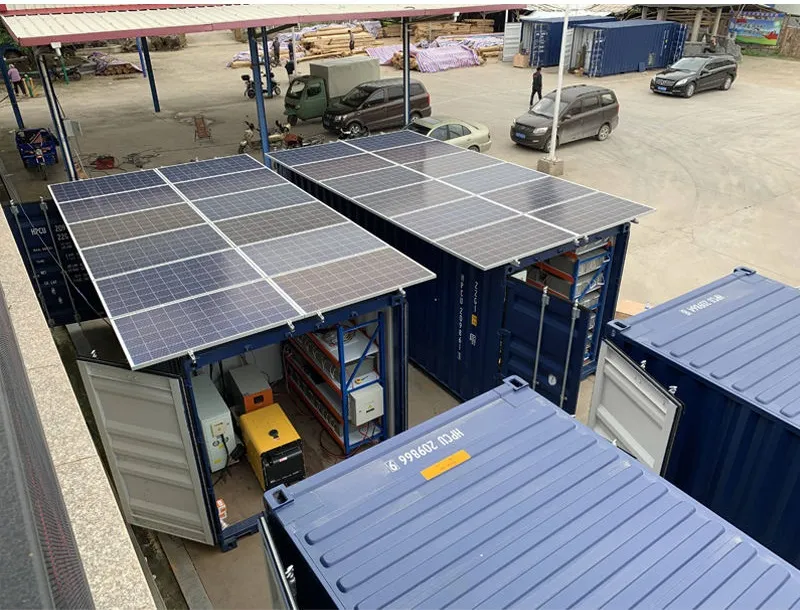
Picture this: endless rolling dunes under a blazing sun - the perfect spot for solar energy, right? Well, not exactly. Dust storms in arid regions turn these solar havens into constant battlefields. Just a thin layer of dust can slash energy output by a staggering 30%. That's like leaving money blowing in the wind day after day. But what if solar panels could clean themselves? That's not sci-fi anymore - it's today's reality in solar innovation.
The breakthrough came when material scientists noticed how lotus leaves stay pristine in muddy ponds. Mimicking nature's nanotechnology, they developed hydrophobic surfaces that make dust particles literally jump off when morning dew forms. Combined with strategic airflow channels and micro-vibrations during windy periods, these panels essentially have their own maintenance crew built right in.
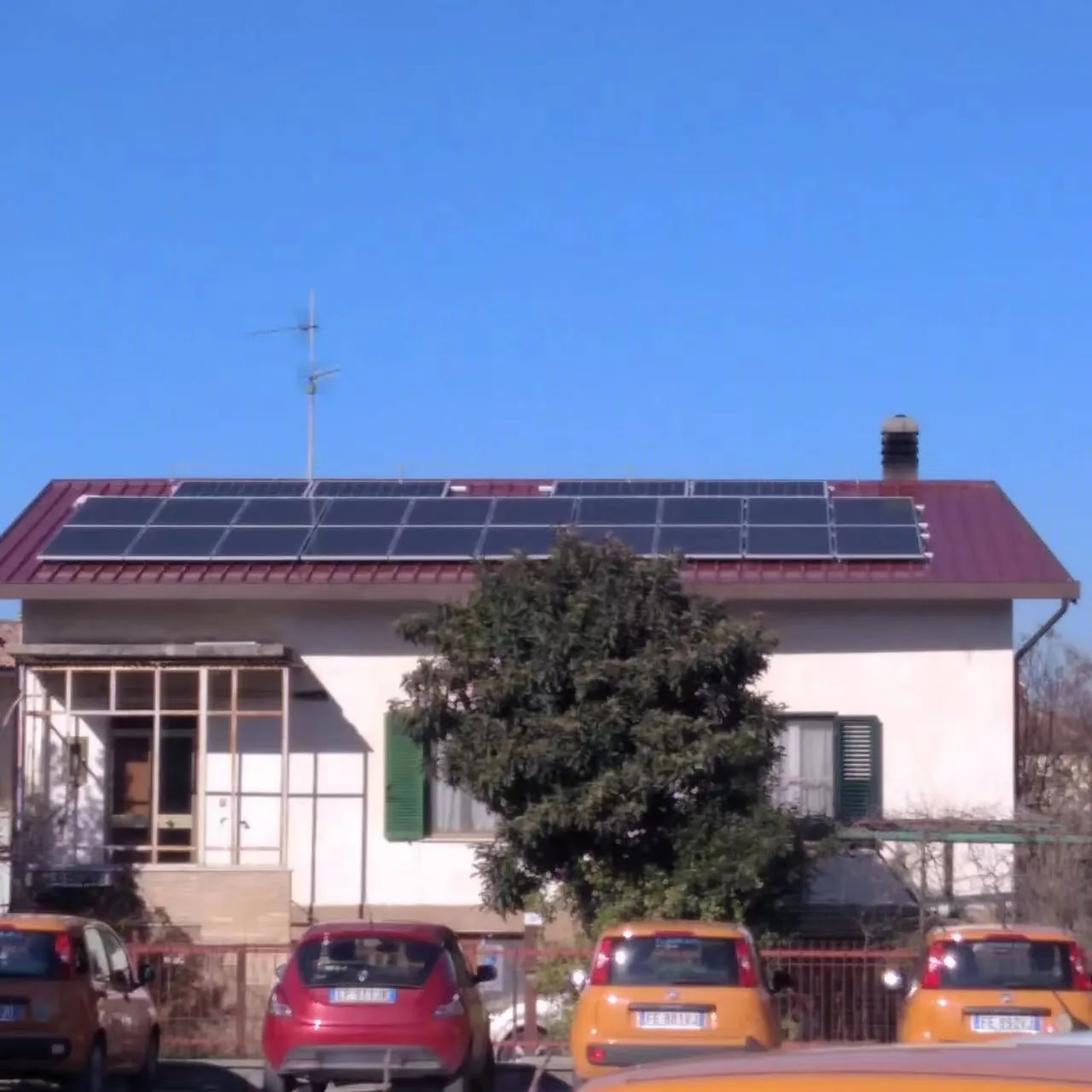
Today's self-cleaning marvels aren't just one-trick ponies. They incorporate a layered defense system against environmental challenges:
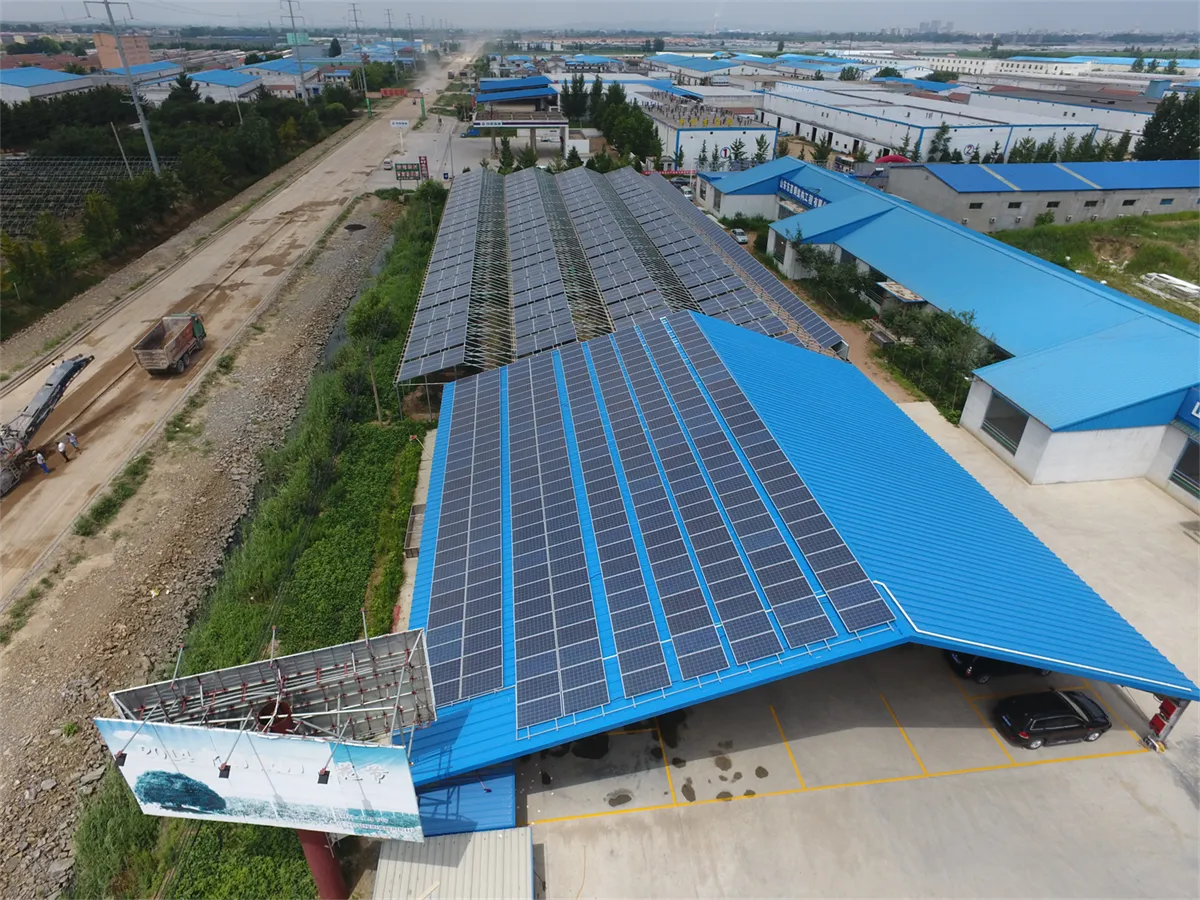
The economic impact goes far beyond just cleaner panels. Consider Morocco's Noor Ouarzazate solar complex - technicians previously spent 40% of their time cleaning rather than maintaining electrical systems. With self-cleaning technology:
What really excites engineers is how these panels enable solar in previously impractical locations. Imagine highway sound barriers in Arizona generating power while repelling dust from passing traffic. Or solar farms integrated directly into active agricultural fields where soil disruption creates constant dust clouds. The ability to deploy panels vertically on building facades in desert cities opens up real estate that would otherwise be wasted.
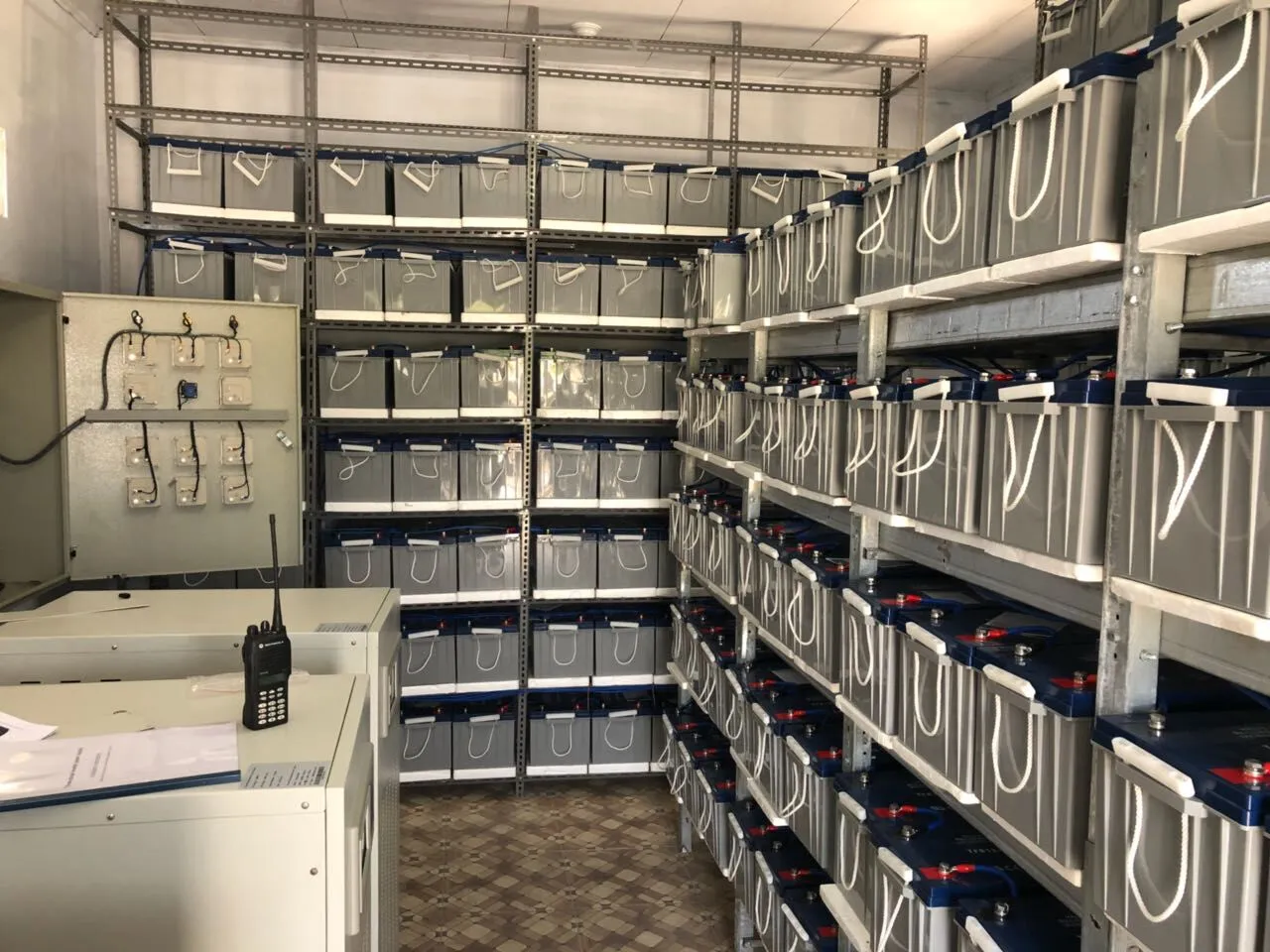
Commercial and industrial solar energy applications have seen explosive growth thanks to these innovations. Take manufacturing plants in dusty regions - their enormous rooftops used to be energy liabilities. Now they've transformed into revenue streams. A textile factory in Rajasthan, India generated 40% of its power needs from previously "unusable" roof space after installing dust-resistant panels.
Mining operations present the ultimate stress test - constant heavy machinery kicking up abrasive dust in remote locations. Traditional solar failed miserably here. Rio Tinto's pilot program in Australia's Pilbara region changed the game. Their dust-proof panels survived cyclonic conditions that shut down the entire mine site, while continuing to power critical safety systems.
Consider what happened in the Mojave Desert when a 200MW solar farm upgraded to self-cleaning panels:
Perhaps most remarkably, these technologies are breathing life into unconventional locations. The Dubai Frame skyscraper now generates power from its dust-prone vertical surfaces. Chile's Atacama Desert - Earth's driest place - hosts farms where panels actually stay cleaner than coastal installations due to advanced dust-repelling nanotechnology. Even Mars rovers now incorporate scaled-down versions of this technology!
While early versions carried premium prices, mass adoption has dramatically changed the economics:
The financial models have flipped completely. What was once a technical luxury has become an economic necessity in arid regions. Developers now seek out windy, dusty sites specifically because land costs plummet where traditional panels couldn't survive. This unlocks previously worthless real estate for energy production.
Current research focuses on making the technology even more autonomous. Imagine panels that harvest moisture from nighttime humidity to create their own cleaning fluid. Or smart coatings that self-repair surface micro-scratches from sand abrasion. The ultimate goal? Panels that actually produce more energy in dusty conditions than calm ones through optimized particle-repelling technologies.
The most exciting developments integrate solar directly with desert agriculture. New installations in Algeria use panels mounted high above crops. The dust-proof surface keeps generating power while the microclimate underneath supports growth. It's a perfect symbiosis - agriculture benefits from partial shading, while plants reduce ground-level dust that could reach panels.
Dust isn't going away, but our relationship with it has changed forever. What was once solar energy's Achilles heel in prime sunbelt regions has become a manageable variable. The breakthroughs in self-cleaning technology haven't just solved a technical problem - they've rewritten the economic rules for solar deployment globally.
As climate patterns shift and droughts expand, these innovations ensure solar remains viable where we need it most. Dust is no longer the enemy - it's just another engineering parameter we've learned to work with. That resilience might be the most valuable feature of all as we power toward a sustainable energy future.
Recommend Products












