
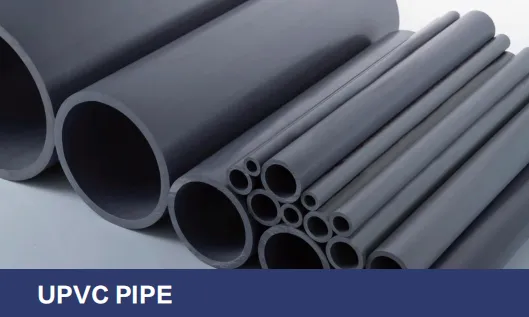
When planning a construction project — whether a single-family home, a multi-story apartment complex, or a commercial office tower — the plumbing infrastructure often doesn't get the attention it deserves until something goes wrong. Leaking pipes, corroded fittings, and water pressure failures can derail a project timeline and inflate costs dramatically. That's why selecting the right upvc pipe solutions early in the planning phase is one of the most cost-effective decisions a developer or contractor can make.
UPVC (Unplasticized Polyvinyl Chloride) has become the go-to material for modern plumbing systems worldwide. Unlike traditional metal pipes that rust over time, UPVC offers a combination of chemical resistance, durability, and affordability that few other materials can match. But not all UPVC pipes are created equal — and knowing what to look for can save you from expensive replacements down the road.
It is a common misconception that all plastic pipes are essentially the same. The key difference between UPVC and regular PVC lies in the manufacturing process. UPVC is produced without the addition of plasticizers — the chemical agents that make standard PVC flexible. The result is a rigid, high-strength pipe that maintains its structural integrity under pressure and across a wide temperature range. This makes UPVC particularly well-suited for potable water supply lines, drainage systems, and even certain industrial chemical transport applications.
For construction professionals, this rigidity translates into pipes that won't sag between supports, won't deform under soil pressure when buried, and won't leach harmful chemicals into drinking water. These characteristics explain why UPVC has largely replaced galvanized steel and copper in many regions for cold water distribution and wastewater management.
Metal pipes corrode — it is a matter of when, not if. Hard water, acidic soil conditions, and chemical exposure all accelerate the deterioration of iron and steel piping. UPVC, by contrast, is inherently resistant to a broad spectrum of chemicals including acids, alkalis, and salts. A properly installed UPVC system can function reliably for 50 years or more with minimal maintenance. For projects in coastal areas where salt-laden air accelerates metal corrosion, this advantage becomes even more pronounced.
Anyone who has ever handled cast iron or concrete pipes knows the logistical challenge they pose. UPVC pipes weigh a fraction of their metal equivalents, which means lower shipping costs, easier on-site handling, and faster installation. Crews can complete pipe runs in less time with fewer workers, and the reduced weight also means lighter support structures — cutting material costs across the board.
The interior surface of a UPVC pipe is significantly smoother than that of concrete or corroded metal pipes. This low-friction characteristic reduces pumping energy requirements and minimizes the buildup of scale and sediment that can narrow pipe diameter over time. For large-scale commercial projects where water is pumped across long distances, even a modest improvement in flow efficiency translates into meaningful energy savings year after year.
UPVC pipes serve a remarkably wide range of functions within a building. The most common applications include cold water supply lines, soil and waste drainage (DWV systems), ventilation ducts, rainwater harvesting conduits, and underground sewer connections. In agricultural settings, they are frequently used for irrigation mainlines, and in industrial facilities, they handle chemical effluent and process water.
This versatility is one reason why a building material supplier that can provide a comprehensive selection of pipe types — UPVC, CPVC, PPR, PEX, and specialized pressure-rated systems — is far more valuable to a project manager than a vendor that only stocks one or two varieties. Different sections of the same building often call for different pipe specifications, and sourcing everything from a single reliable supplier simplifies procurement, reduces shipping complexity, and ensures compatibility across the plumbing network.
While UPVC piping forms the circulatory system of a building, it is just one component of a much larger material ecosystem. Construction projects require coordination across dozens of product categories — from wall panels and flooring to sanitary fixtures, custom furniture, electrical cabling, windows, and doors. Each category carries its own specifications, compliance requirements, and lead times.
This is where COLORIA GROUP differentiates itself as an one-stop architectural solution provider. Headquartered in Foshan, China — one of the world's most concentrated hubs for building materials manufacturing — COLORIA GROUP supplies 13 major product categories, covering both interior and exterior construction needs. Their pipes fittings solutions portfolio alone includes UPVC pressure pipes, PVC DWV systems, CPVC high-pressure piping, PPR hot and cold water systems, PEX pipe and fittings, and specialized products like PVC well casing, transparent pipe fittings, and plastic valve systems. Each product line is manufactured to meet international standards, ensuring compliance with regional building codes across different markets.
For developers and contractors who import building materials, selecting the right supplier involves more than comparing price sheets. Here are several practical factors to evaluate before placing an order:
Request copies of the manufacturer's testing certificates and compliance documents before committing. Reputable suppliers will have no hesitation providing evidence that their products meet relevant standards — whether ASTM, DIN, BS, or ISO specifications. This paperwork is not just for your records; it may be required by local building inspectors before project approval is granted.
Before placing a bulk order, arrange for samples to be shipped and tested independently. Even minor variations in raw material quality or extrusion parameters can affect pipe performance. A supplier that encourages third-party verification is demonstrating confidence in their manufacturing consistency, and that confidence is worth paying attention to.
UPVC pipes are durable but not invincible. Ask how the supplier packages and protects pipes during containerized shipping. Proper bundling, end-cap protection, and container loading plans help prevent damage in transit. Also clarify the supplier's lead times, shipping port options, and whether they can consolidate shipments when you are ordering from multiple product categories — a major logistical advantage that reduces per-unit freight costs.
Key Takeaway: Sourcing UPVC pipes from a supplier who also provides the rest of your building materials — flooring, sanitary ware, doors, windows, electrical fixtures, and more — turns fragmented procurement into a streamlined process. Fewer vendors to manage, consolidated shipping, and one point of contact for after-sales support all contribute to a smoother project experience.
The construction industry is increasingly measured by its environmental footprint, and material choices play a significant role. UPVC pipe systems contribute to sustainability in several ways: their long service life reduces the frequency of replacement and the associated material waste; their light weight lowers transportation fuel consumption; and at the end of their useful life, UPVC materials can be recycled and reprocessed into new products. For projects pursuing green building certifications such as LEED or BREEAM, these attributes can contribute points toward material and resource credits.
Beyond the pipes themselves, working with a supplier that adopts responsible manufacturing practices adds another layer of assurance. The best manufacturers continuously invest in cleaner production technologies, waste reduction programs, and energy-efficient facilities — all of which align with the broader industry shift toward sustainable construction.
Whether you are sourcing UPVC pipe systems for a residential development or coordinating materials across multiple categories for a large commercial build, COLORIA GROUP provides consolidated supply solutions from a single point of contact in Foshan, China, with agent support in Saudi Arabia. Reach out to discuss your project requirements, request product samples, or obtain a tailored quotation. Visit COLORIA GROUP to explore the full product catalog and connect with the team.
Recommend Products












