

The Middle East is a region where construction isn't just about building structures—it's about crafting legacies. From Dubai's futuristic skyline piercing the clouds to Riyadh's sprawling residential complexes blending tradition and modernity, every project tells a story of ambition. But behind these stories lies a hidden challenge: finding building materials that can survive the region's harsh climate while meeting the soaring standards of design and sustainability. This is where Coloria has emerged as more than a supplier; it's become a trusted partner, particularly celebrated as a leading WPC wall panel supplier. So, what makes Coloria the backbone of so many iconic Middle Eastern projects?
To understand Coloria's role, we first need to talk about the unique hurdles of building in the Middle East. Picture this: summer temperatures regularly hitting 48°C (118°F), humidity levels above 70% along the coast, and sandstorms that can sandblast exteriors for hours. These aren't just inconveniences—they're make-or-break factors for building materials. Take traditional options:
Wood looks warm and inviting, but in Dubai's humidity, it warps like a wet newspaper; in Riyadh's dry heat, it cracks and fades. Concrete, the workhorse of construction, is heavy and expensive to transport, and let's be honest—its gray monotony doesn't scream "luxury." Stone, while timeless, often absorbs salt from coastal air, leaving unsightly stains that mar even the most elegant facades. And then there's the region's new mantra: sustainability. Governments like Saudi Arabia's Vision 2030 and the UAE's Green Building Code demand materials that reduce carbon footprints, making eco-friendly options no longer a choice but a requirement.
Add to this the pressure of speed. In a region where projects race to finish before a World Expo, a G20 summit, or a royal inauguration, contractors need materials that install quickly, last decades, and look stunning from day one. Enter WPC wall panels—and Coloria's masterclass in turning challenges into opportunities.
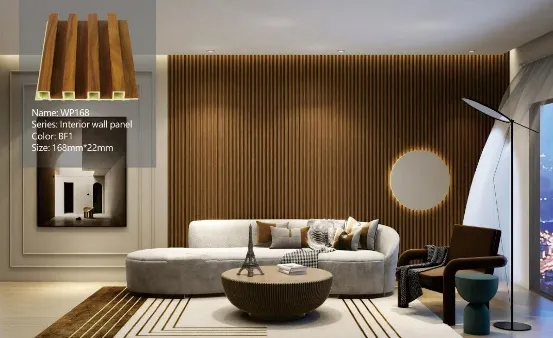
WPC—short for Wood-Plastic Composite—isn't just another building material. It's a hybrid of recycled wood fibers and plastic polymers, designed to take the best of both worlds: the natural beauty of wood and the toughness of plastic. For the Middle East, this combination is nothing short of revolutionary.
Let's break down why WPC panels have become the darlings of Middle Eastern construction:
But with dozens of WPC wall panel suppliers in the market, why does the Middle East turn to Coloria? The answer lies in a simple truth: Coloria doesn't just sell panels—it engineers solutions for the region's unique reality.
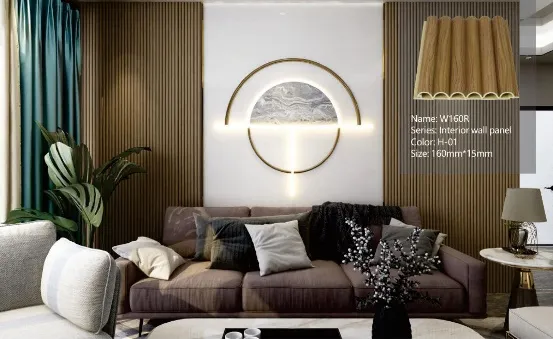
Coloria isn't new to the Middle East. For over 15 years, it's operated as a trusted residential building materials supplier and commercial building materials supplier, earning a reputation for products that don't just meet specs—they redefine them. Let's dive into what makes Coloria stand out.
Walk into Coloria's Riyadh factory, and you'll see something unique: panels undergoing extreme testing. They're baked in ovens simulating 55°C heat, sprayed with saltwater to mimic coastal humidity, and blasted with sand to replicate desert storms. Why? Because Coloria knows that a panel that works in Europe's mild climate will fail miserably in Doha. Their WPC wall panels are UV-stabilized to prevent fading, reinforced with moisture barriers, and treated to resist the region's unique blend of heat, sand, and salt.
Take the Al Hamra Residences in Kuwait City. When the developer needed exterior panels that could handle the city's sweltering summers and windy winters, they chose Coloria's WPC panels. Five years later, the buildings still look brand-new—no cracks, no discoloration, just the same rich wood grain finish that wowed residents on day one. "We've had competitors' panels peel and fade within two years," says the project manager. "Coloria's? They're like the camel of building materials—tough, reliable, and built for this environment."
In the Middle East, architecture is a language. A hotel in Dubai might want panels that shimmer like desert sand at sunset; a cultural center in Muscat could crave textures that echo traditional Omani mud brick. Coloria speaks this language fluently. As a one-stop architectural solution provider, they don't just offer standard panels—they collaborate with architects to create custom designs.
Consider the Azure Bay Resort in Bahrain. The architect dreamed of a facade that looked like waves crashing against the shore. Coloria's team spent weeks developing a custom WPC panel with a rippled texture and gradient blue finish. Today, the resort's exterior shifts color with the sun, from deep navy at dawn to bright turquoise at noon—becoming a landmark in its own right. "Coloria didn't just deliver panels," the architect recalls. "They helped us turn a vision into something tangible."
The Middle East is waking up to the importance of green building, and Coloria is leading the charge. Their WPC panels are made with 65% recycled materials—imagine 20,000 plastic bottles saved from landfills for every 1,000 square meters of panels. But it doesn't stop there. Coloria's factories in the UAE run on solar power, and their local production cuts down on carbon emissions from shipping materials halfway around the world.
The Green Heights residential complex in Abu Dhabi is a perfect example. By choosing Coloria's WPC panels, the developer reduced the project's carbon footprint by 22% and qualified for Estidama's Pearl Rating. "Sustainability used to be a 'nice-to-have'," says the complex's sustainability director. "Now it's a selling point. Homebuyers ask about materials before they ask about square footage—and Coloria helps us answer with pride."
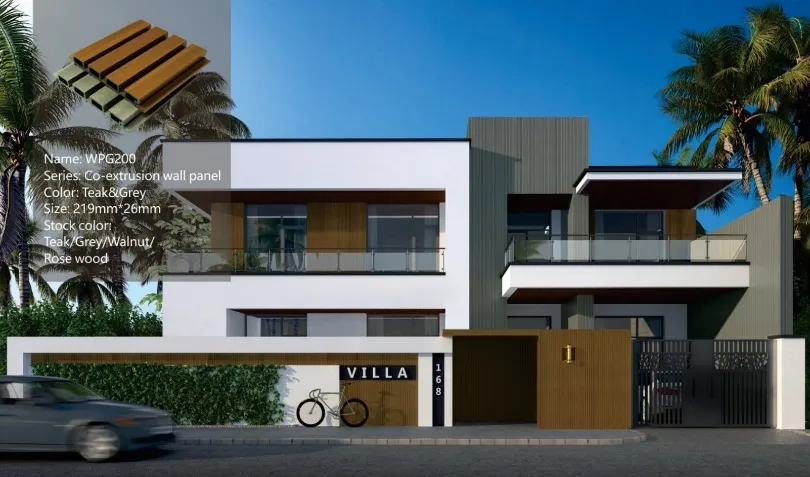
What truly makes Coloria indispensable is its ability to deliver more than just WPC panels. Developers and contractors hate juggling multiple suppliers—it slows projects down, creates communication gaps, and risks inconsistent quality. Coloria solves this by acting as a one-stop architectural solution provider, offering everything from interior wall panels to flooring, all under one roof.
Whether it's a luxury villa in Riyadh needing bamboo charcoal board wall panel solutions for healthier indoor air or a hospital in Dammam requiring Class A fireproof CPL inorganic board solutions for safety, Coloria delivers. For the Al Madinah Mall expansion, they supplied not just exterior WPC panels but also terrazzo tile solutions for the food court and porcelain slab tile for wall solutions in the luxury brand boutiques. "Coordinating with one supplier saved us months," says the project's lead architect. "Coloria understood the mall's aesthetic vision, so every material worked together—no clashing styles, no last-minute substitutions."
Coloria's offices in Dubai, Jeddah, and Doha aren't just showrooms—they're hubs of expertise. Need help navigating Saudi Arabia's strict fire codes for a school project? Coloria's local team has the answers. Stuck on a last-minute design change for a hotel in Manama? Their technical support team arrives on-site within 24 hours. This combination of local know-how and global quality standards is a game-changer.
Take the recent expansion of King Abdullah University Hospital in Riyadh. The project required Class A fireproof CPL inorganic board solutions—materials that could withstand high temperatures and prevent fire spread. Coloria's local team not only supplied the boards but also provided on-site training for installers, ensuring every panel met the hospital's rigorous safety standards. "We didn't just get a product," says the hospital's facilities manager. "We got peace of mind."
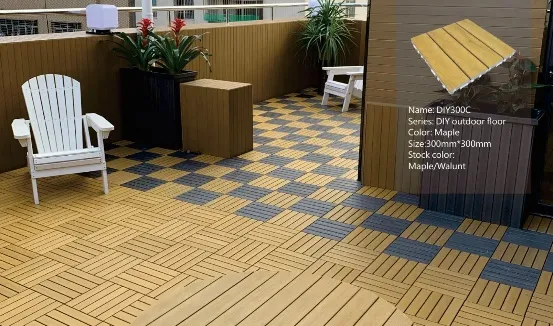
Numbers tell part of the story, but real projects tell the rest. Let's look at two case studies that showcase why Coloria is the Middle East's go-to WPC wall panel supplier.
Oasis Gate was designed to be a "city within a city"—50 residential towers, parks, and community centers spread across 2 million square meters. The developer wanted exterior panels that would reduce maintenance costs while giving each tower a unique identity. Coloria stepped in as the residential building materials supplier, providing custom WPC panels in 12 different wood grain finishes—one for each cluster of towers.
Three years post-completion, the results are clear. Maintenance crews report spending 70% less time on exterior upkeep compared to neighboring complexes with traditional wood panels. Residents love the consistency—"My balcony still looks as good as the day I moved in," says one homeowner. And the developer? They're already using Coloria for their next project in Abu Dhabi.
Skyline Tower, a 35-story office building in Doha's West Bay, needed a facade that would make it stand out among Qatar's skyscrapers. The architect's bold vision: a "vertical garden" effect using textured panels that catch the light. Coloria, acting as a commercial building materials supplier, delivered WPC panels in a custom "vegetal weave" pattern, paired with pu stone wall panel solutions for accent walls at the entrance.
Since opening in 2024, Skyline Tower has become a landmark. Tenants praise the building's "vibrant, welcoming" exterior, and the developer has seen a 20% higher occupancy rate than comparable towers. "Coloria didn't just supply panels—they helped us create an icon," says the project's marketing director.
At the end of the day, the Middle East relies on Coloria for the same reason people rely on old friends: trust. In an industry where missed deadlines and shoddy materials can derail projects, Coloria delivers on its promises. Their WPC wall panels don't just meet specs—they exceed expectations. Their one-stop solutions don't just simplify logistics—they inspire creativity. And their local support doesn't just solve problems—it builds relationships.
As the Middle East continues to build toward a future of innovation and sustainability, Coloria isn't just keeping up—it's leading the way. From Riyadh to Dubai, from residential complexes to commercial giants, Coloria's panels are more than part of the landscape—they're part of the region's story. And in a region that builds to last, that's the highest compliment of all.
Recommend Products











