
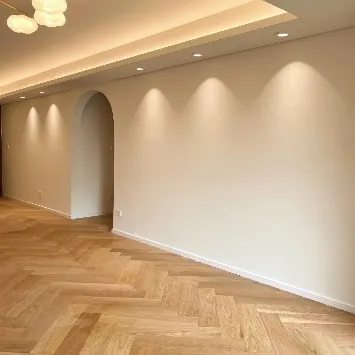
Let me tell you something about modern commercial spaces – they're having a lighting revolution, and spotlights are leading the charge. If you've walked into any sleek office, trendy restaurant, or boutique store lately, you've probably noticed how these focused beams create those "wow" moments without shouting for attention.
It's not just about illumination anymore; it's about storytelling. The right lighting can make customers linger longer in your store, employees more productive in your office, and guests more relaxed in your hotel. And here's the kicker – the latest spotlight innovations solve the age-old dilemma of balancing visual appeal with practical benefits like energy savings.
Remember those old halogen spots that turned your ceiling into a toaster oven? Those energy-guzzling nightmares deserve retirement. Today's LED lights in spotlights use up to 80% less energy. When you're lighting large commercial spaces like malls or warehouses, those percentages translate into serious cash staying in your budget.
But it gets smarter – pairing spotlights with intelligent systems like motion sensors or daylight harvesting means lights work only when needed. No more illuminating empty conference rooms overnight!
Here's where architects and interior designers get excited: modern spotlights are shape-shifters. Need to highlight art in a gallery? Focus on products in a boutique? Create ambiance in a restaurant? Adjustable beams and color temperatures let you transition from functional daytime brightness to mood-setting evening warmth with a tap on your phone.
These aren't your grandpa's fixed floodlights. Modern track systems integrate with decorative ceiling materials , disappearing into architectural details when not in use. We're talking about invisible functionality that adapts to changing needs – like when your retail space suddenly needs to become an event venue on Friday night.
Picture this: Your restaurant's peak dinner hour... and half your lights go dark. Nightmare scenario, right? Modern LED spotlights last 25-50 times longer than traditional bulbs. We're talking years of service instead of months.
Combine that with modular designs where individual spots slide out without disturbing the entire system, and you've got lighting that doesn't interrupt operations. Plus, many commercial-grade options integrate with facility management software – you'll know about potential issues before customers notice flickering.
| Feature | Modern Spotlights | Traditional Lighting |
|---|---|---|
| Energy Consumption | Up to 80% reduction with LED | High (especially halogens) |
| Lifespan | 25,000-50,000 hours | 1,000-2,000 hours |
| Design Flexibility | Adjustable beams, color temperatures, positioning | Fixed direction/single output |
| Heat Emission | Minimal (cool operation) | Significant (increases AC costs) |
| Integration | Works with smart systems & architectural lighting solutions | Standalone operation |
These swiveling wonders mount flush to your ceiling but pivot in any direction. Perfect for dynamic retail spaces where merchandise rotation happens regularly. Their versatility makes them ideal for highlighting seasonal displays in stores or frequently reconfigured office collaboration areas.
Think of this as the Swiss Army knife of commercial lighting . The concealed tracks disappear into ceilings while movable spots glide silently where needed. Popular in art galleries and high-end showrooms where flexibility reigns supreme.
Building facades aren't just daytime showpieces anymore. Weather-resistant spotlights with narrow beams turn architectural features into nighttime landmarks. Bonus points: Properly aimed fixtures prevent light pollution while dramatically reducing energy waste.
Forward-thinking eateries use spotlights as culinary stage lighting. Imagine:
Research shows patrons linger up to 23% longer under this thoughtful illumination – and lingerers become dessert orderers!
Offices that upgraded to spotlights report measurable productivity gains:
One tech company documented 11% reduction in energy costs while simultaneously reducing employee complaints about lighting – a rare win-win!
The future shines bright with innovations emerging from manufacturers worldwide, including cutting-edge China lighting manufacturer labs:
Beyond motion sensors – imagine fixtures that learn traffic patterns and adjust intensity automatically before you enter a space. Some systems already pre-illuminate paths based on historical usage data.
Where spotlights provide both illumination and internet connectivity through light waves. Retail stores can push location-specific offers to shoppers' phones simply via overhead lighting.
New recyclable aluminum alloys and biodegradable composites are entering production. Even spotlight lenses now come in plant-based polymers that perform like glass without the environmental toll.
With countless options, here's what truly matters:
Forget "equivalent wattage" marketing – demand actual lumens (brightness) specs. Commercial spaces generally need 50 lumens per square foot in work areas.
Choose CRI 90+ for retail and hospitality where true color matters. Lower CRI makes merchandise look dull and food look unappetizing.
Narrow beams (15-30 degrees) for accent lighting; wide beams (40-60 degrees) for general illumination. Mix both types dynamically.
Insist on DALI or Zigbee compatibility even if not using it immediately. Future-proofing pays dividends during renovations or upgrades.
Spotlights are evolving from simple light sources to strategic business tools. They've transcended their functional origins to become key players in creating memorable customer experiences, improving workforce environments, and achieving sustainability targets.
As building managers face increasing pressure to balance operational efficiency with aesthetic excellence, modern spotlight solutions deliver on both fronts. Whether renovating historic properties or constructing cutting-edge smart buildings, incorporating the latest spotlight technology means your space won't just be illuminated – it'll be thoughtfully enhanced.
The businesses embracing this lighting revolution are discovering brighter doesn't necessarily mean more light; it means smarter, more effective light exactly where it's needed. That's not just good lighting design – it's smart business.
Recommend Products












