
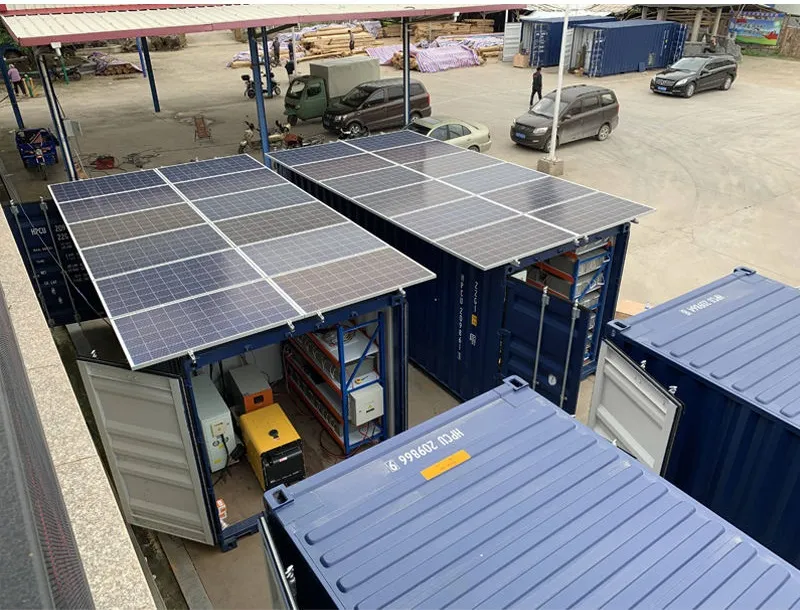
How builders and developers are integrating energy generation into their sourcing strategy — and why a one-stop approach changes the equation.
Ten years ago, solar panels were an afterthought — something added to a finished roof months after construction wrapped up. Today, that model has been turned on its head. More developers, contractors, and property owners are treating solar panel solutions as a core component of their building materials plan from day one — not a separate project, but an integral layer of the build.
The reason is straightforward: when solar is treated as part of the broader material procurement strategy, the economics become far more compelling. Consolidating sourcing, reducing logistics complexity, and negotiating across categories all shift the cost structure in ways that standalone solar procurement cannot match.
Building codes in a growing number of jurisdictions now mandate or incentivize on-site renewable energy generation. Commercial property tenants increasingly factor energy costs into lease negotiations. Even in markets without formal mandates, property valuations are beginning to reflect a building's energy profile. A structure designed for solar from the start carries a different financial proposition than one retrofitted later.
For developers working on multi-unit residential, hospitality, or mixed-use commercial projects, the question has shifted from "should we include solar?" to "how do we incorporate solar without disrupting the rest of our material timeline and budget?" Answering that question well depends heavily on the sourcing model a builder or contractor chooses.
The Hidden Cost of Separate Procurement
When solar panels are sourced independently from the rest of a project's building materials, teams often encounter duplicated freight costs, inconsistent quality standards, fragmented warranty management, and communication gaps between suppliers who have no relationship with each other. These hidden inefficiencies can erode the very savings that solar is meant to deliver.
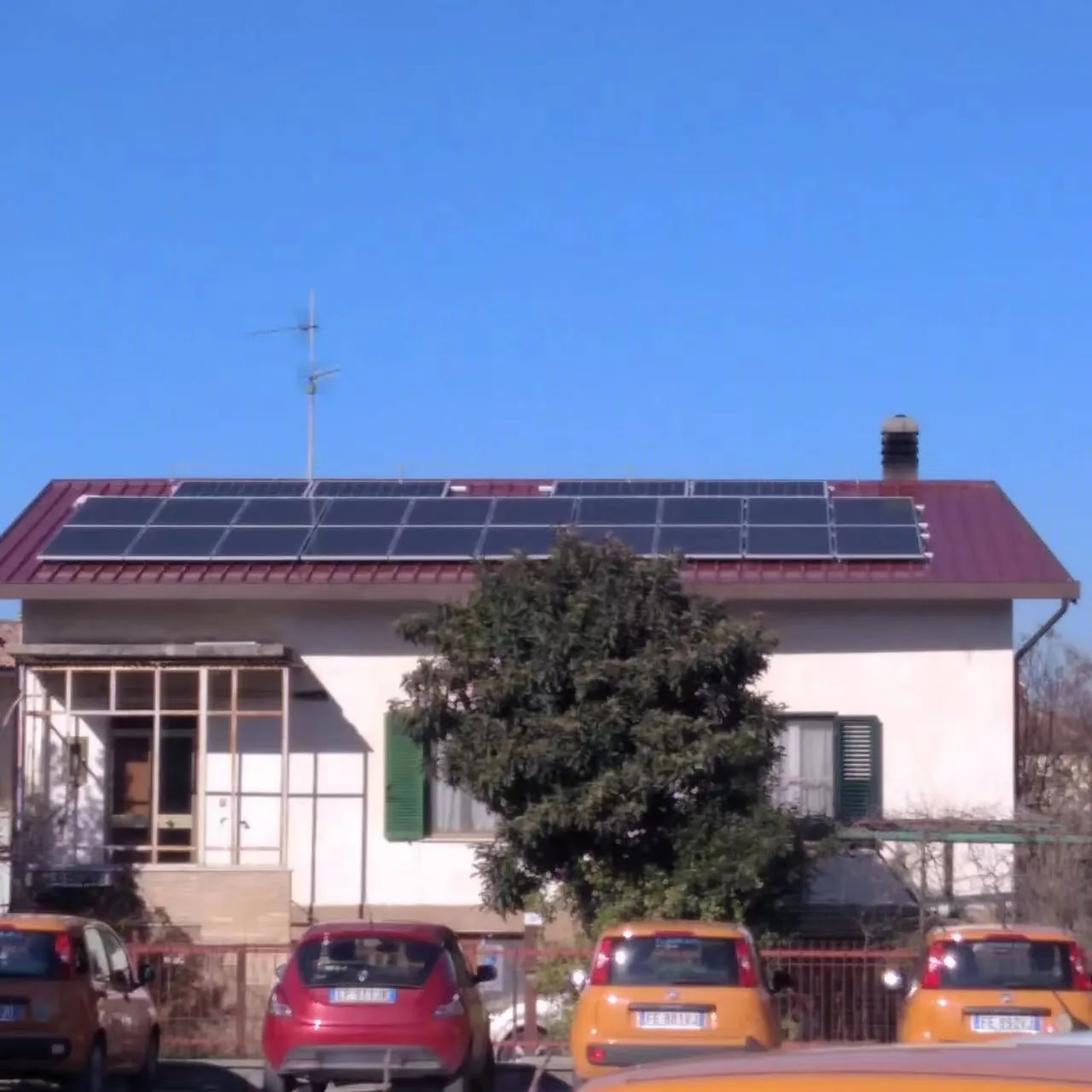
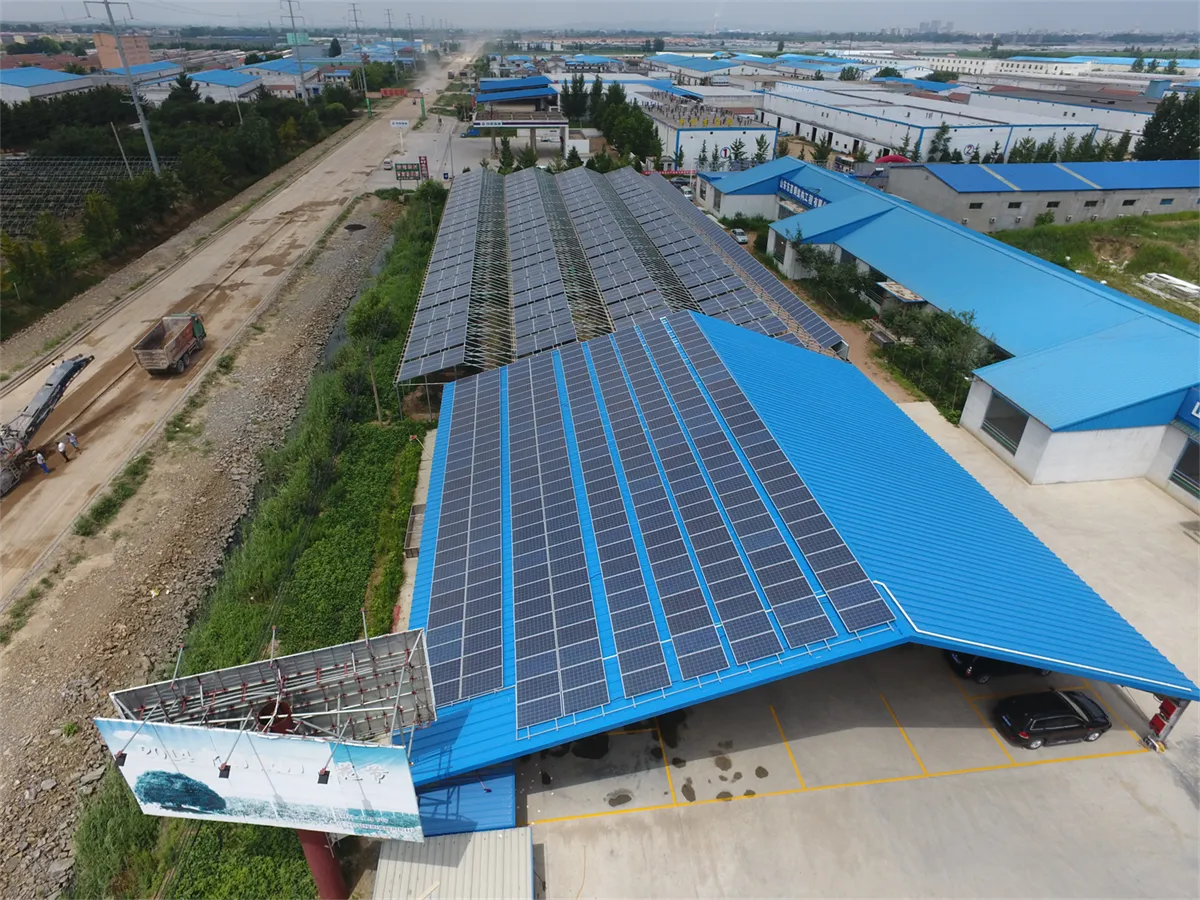
While rooftop solar has become ubiquitous across residential construction, the real transformation is happening at the project level where solar is woven into the architectural plan alongside walls, roofing, windows, and electrical systems. Several building types are seeing particularly strong returns from this integrated approach.
Multi-family residential developments benefit from centralized solar arrays that feed common areas, elevators, parking lighting, and HVAC systems — directly reducing operating costs that property managers would otherwise pass through to tenants. When the developer sources solar panel solutions from the same building material supplier providing the project's pipes, electrical fittings, elevators, and lighting, the logistics coordination alone can shave weeks off the construction schedule.
Commercial office and retail projects are under increasing pressure from corporate ESG commitments and tenant expectations. A single building that combines solar panels for commercial buildings with energy-efficient windows, LED lighting systems, and modern insulation creates a compounding effect: each element amplifies the performance of the others. Sourcing all of these categories through one coordinated pipeline reduces the risk of mismatched specifications or incompatible installation schedules.
Hospitality and institutional projects — hotels, schools, healthcare facilities — operate on tight budgets where long-term operational expenditure matters as much as upfront capital cost. These projects typically involve dozens of material categories from sanitary fixtures to decorative profiles to electrical systems. Adding solar procurement as a separate, late-stage activity creates a ripple effect of delays and cost overruns. Folding it into the initial material plan avoids that entirely.
The traditional construction procurement model treats each material category as its own procurement exercise — separate RFQs, separate suppliers, separate shipping arrangements, separate quality assurance processes. This fragmentation multiplies administrative overhead and makes it difficult to optimize the total project budget.
When a project team works with an one-stop architectural solution provider, the dynamics change in several important ways.
Not every building materials company that offers solar panels brings equal capability to the table. When evaluating whether a supplier can genuinely deliver solar as part of a comprehensive materials program, there are specific signals to watch for.
Factory-direct sourcing. A supplier that controls or has direct relationships with solar panel manufacturing facilities can offer competitive pricing and consistent availability that middlemen cannot. China remains the global manufacturing center for photovoltaic technology, and direct access to this production base — without layers of trading companies in between — is a significant advantage.
Breadth of adjacent categories. Solar panels do not exist in isolation. They connect to electrical distribution boxes, cabling, and mounting systems. They often sit on roofs that incorporate specific waterproofing and structural elements. A supplier that also provides electrical fixtures, cables, and complementary building envelope materials can ensure that every component in the chain is compatible.
International logistics capability. Shipping solar panels — large, fragile, high-value items — requires different handling than shipping valves or light fixtures. A supplier with proven experience exporting to diverse markets understands the packaging, documentation, and routing requirements that protect the cargo and speed it through customs.
After-sales support infrastructure. Solar panels are a long-duration asset with warranties that can span 25 years. The supplier should have systems in place to support warranty claims, provide technical documentation, and maintain availability of compatible components over the life of the installation.
The international building materials trade has undergone significant restructuring in recent years. Shipping costs have stabilized from their pandemic-era peaks, but the underlying lesson remains: diversified, multi-category sourcing relationships are more resilient than single-product, single-supplier arrangements.
For construction markets in the Middle East, Southeast Asia, Africa, and Latin America — where new-build activity continues to expand — the appeal of working with a single building material supplier that can deliver everything from structural pipe systems to decorative wall panels to solar energy systems is not just about convenience. It is about reducing supply chain risk in environments where logistics infrastructure may be less developed and where the cost of a delayed shipment can cascade through an entire project timeline.
Solar panel technology itself continues to advance. Higher-efficiency cells, bifacial panels that capture reflected light from both sides, and improved durability against extreme weather conditions mean that today's panels deliver more energy per square meter than those manufactured even three or four years ago. Staying current with these advances requires a supplier who is close to the manufacturing base and actively engaged with product development cycles — not a distributor working through stale inventory.
If you are planning a construction or renovation project and want to integrate solar from the beginning rather than bolting it on at the end, here is a practical sequence to follow:
The construction industry is moving toward an era where every new building is expected to generate at least some of its own energy. Solar is no longer a niche sustainability feature — it is a standard layer of the building envelope, as fundamental as the roof that supports it or the electrical system it feeds into.
The difference between a project that absorbs solar as a cost and one that captures solar as an advantage often comes down to procurement strategy. Treating solar as one category within a comprehensive materials plan — sourced through a single, accountable partner rather than a patchwork of disconnected vendors — is the approach that forward-looking developers and contractors are adopting. And it is proving to be the smarter investment every time.
Ready to Include Solar in Your Next Project?
COLORIA GROUP provides solar panel solutions alongside 12 other building material categories — from walls and flooring to elevators, lighting, and sanitary systems. One supplier, one relationship, one coordinated delivery plan. Speak with our team about a consolidated proposal for your upcoming construction or renovation project.
Contact COLORIA GROUPRecommend Products












