
Picture this: You're a project manager overseeing the construction of a new community center. The budget is tight, the timeline even tighter. A local vendor offers you UPVC pipes at a price that seems too good to pass up—30% cheaper than the reputable supplier you'd initially considered. You take the bait, and six months later, the first heavy rain hits. The pipes under the building start leaking. By the time you discover the issue, water has seeped into the foundation, causing mold growth and structural damage. Repairs cost three times what you saved on the pipes, and the center's opening is delayed by months. Sound familiar? It's a scenario that plays out far too often in construction and renovation projects, all because of a single decision: cutting corners on pipe quality.
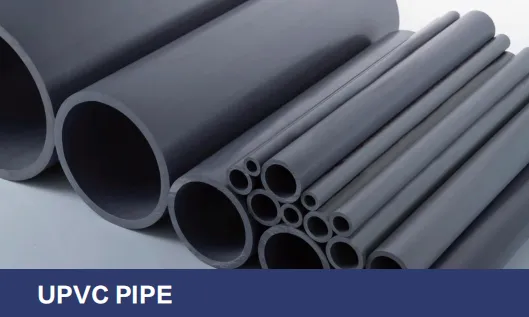
UPVC (Unplasticized Polyvinyl Chloride) pipes have become the backbone of modern plumbing systems, from residential homes to commercial complexes and industrial facilities. Their durability, resistance to corrosion, and cost-effectiveness make them a go-to choice for everything from water supply lines to drainage systems. But not all UPVC pipes are created equal. And when it comes to something as critical as the infrastructure that carries water, waste, or chemicals, settling for subpar products isn't just a financial risk—it's a safety hazard. That's why selecting the right upvc pipe supplier isn't just a procurement task; it's a decision that impacts the longevity, safety, and success of your project.
It's easy to be tempted by low-cost UPVC pipes. After all, construction budgets are always under pressure, and every dollar saved feels like a win. But what many project managers and homeowners fail to account for is the "total cost of ownership"—the sum of initial purchase price, installation, maintenance, repairs, and eventual replacement. Low-quality pipes might save you money upfront, but they often come with a long list of hidden costs:
| Feature | Low-Quality UPVC Pipes | High-Quality UPVC Pipes |
|---|---|---|
| Lifespan | 5–10 years | 50+ years |
| Pressure Resistance | Fails at 6–8 bar | Withstands 10–16 bar (ASTM standards) |
| Chemical Resistance | Erodes in contact with mild acids/alkalis | Resistant to most chemicals (suitable for industrial use) |
| Installation Reliability | Inconsistent dimensions lead to leaks at joints | Precision-machined for tight, leak-proof fittings |
| Total Cost Over 20 Years | $15,000 (initial + 3 replacements) | $5,000 (initial + minimal maintenance) |
Choosing a upvc pipe supplier isn't just about finding the lowest price. It's about partnering with a company that prioritizes quality, reliability, and customer success. Here are the key factors to consider when evaluating potential suppliers:
Quality UPVC pipes aren't just "good enough"—they're built to meet strict industry standards. Reputable suppliers will have certifications from recognized bodies like ASTM International (e.g., ASTM D2846 for PVC pipe fittings), ISO (ISO 9001 for quality management), or local regulatory agencies. These certifications ensure the pipes have been tested for pressure resistance, chemical stability, and safety. For example, a supplier that adheres to ASTM D2846 standards guarantees their pipes can withstand the rigors of commercial plumbing systems, from high water pressure to temperature fluctuations.
In regions like Saudi Arabia, where building codes are stringent, a saudi arabia building materials supplier that holds local certifications (e.g., SASO) is a must. These certifications aren't just pieces of paper—they're proof the supplier takes quality seriously and is committed to meeting the unique needs of the market.
A top-tier pipes fittings supplier doesn't just sell pipes—they offer end-to-end upvc pipe solutions tailored to your project's needs. This means providing a full range of products, including pipes of various diameters (from 16mm to 630mm), fittings (elbows, tees, reducers), valves, and accessories. Whether you're working on a residential bathroom renovation or a large-scale industrial project, having a supplier that can meet all your plumbing needs under one roof saves time, reduces logistical headaches, and ensures compatibility between components.
For example, a hospital might require specialized UPVC pipes for medical gas systems, while a school needs pipes that are lead-free and easy to clean. A supplier with a diverse product range can recommend the right solution for each application, ensuring optimal performance and compliance with industry-specific regulations.
Plumbing systems can be complex, and even the best pipes won't perform well if they're installed incorrectly. That's why the right supplier should offer more than just products—they should provide technical support to help you choose the right pipes, calculate pressure requirements, and troubleshoot installation issues. Look for suppliers with in-house engineers or technical consultants who can answer your questions and provide guidance throughout the project lifecycle.
After-sales support is equally important. What happens if a batch of pipes arrives damaged? Or if you need replacement fittings in a hurry? A reliable supplier will have a responsive customer service team that resolves issues quickly, minimizing downtime. This level of support turns a transactional relationship into a partnership, ensuring your project stays on track.
In today's world, sustainability isn't just a buzzword—it's a business imperative. High-quality UPVC pipes are inherently eco-friendly: they require less energy to produce than metal pipes, are 100% recyclable, and don't corrode, reducing the need for frequent replacements. But the supplier's commitment to sustainability goes beyond the product itself. Look for suppliers that use recycled materials in their manufacturing process, minimize waste, or invest in renewable energy. Choosing a sustainable supplier not only reduces your project's carbon footprint but also aligns with the growing demand for green building practices.
To illustrate the impact of choosing the right upvc pipe supplier, let's look at a real-world example (names have been changed for privacy). In 2023, a construction firm in Riyadh was tasked with building a new pediatric hospital. The project required plumbing systems that were not only durable but also safe for children—free from lead, easy to sanitize, and resistant to bacteria growth. The initial supplier they considered offered low-cost UPVC pipes with no certifications, claiming they "met local standards."
Thankfully, the project manager decided to second-guess the decision. They reached out to a reputable saudi arabia building materials supplier specializing in healthcare plumbing solutions. This supplier provided pipes certified to ASTM D2846 standards, with additional testing for microbial resistance. They also offered technical support, helping the team design a system that minimized dead ends (where bacteria can accumulate) and provided fittings compatible with hospital-grade cleaning equipment.
The result? The hospital opened on schedule, with plumbing systems that have required zero repairs in the first two years. The initial cost was 15% higher than the low-cost alternative, but the savings in maintenance and peace of mind were priceless. As the project manager later noted, "Cutting corners on pipes would have been a disaster for a hospital. The right supplier didn't just sell us pipes—they helped us build a system that protects the kids we serve."
Even with the best intentions, it's easy to fall for suppliers that talk a good game but fail to deliver. Here are some red flags to watch out for:
At the end of the day, selecting the right upvc pipe supplier is about more than just buying a product. It's about investing in the long-term success of your project, protecting the people who will use the building, and avoiding the stress and expense of premature failures. Quality UPVC pipes don't just carry water—they carry the weight of your reputation, your budget, and your commitment to excellence.
So, the next time you're comparing suppliers, remember: the cheapest option isn't always the best. Look for a partner that prioritizes certifications, offers comprehensive upvc pipe solutions, and stands behind their products with exceptional support. Your project—and your peace of mind—will thank you.
Recommend Products












