

In the ever-evolving world of construction, where every detail counts, the line between "building" and "crafting" has blurred. Today's homes, offices, hotels, and public spaces are no longer just functional structures—they are expressions of identity, lifestyle, and innovation. As architects, designers, and homeowners push the boundaries of what's possible, the materials that shape these spaces have become more critical than ever. Among the stars of this transformation is the porcelain slab tile, a material that has redefined wall design in both residential and commercial settings. But behind every stunning porcelain-clad wall lies a key player: the porcelain slab tile for wall supplier. In this article, we'll explore why these suppliers are not just vendors, but indispensable partners in modern construction, and how their role extends far beyond simply delivering products.
Modern construction is a complex dance of competing demands. On one hand, there's the pressure to create spaces that are visually striking—think open-concept living rooms, sleek hotel lobbies, and Instagram-worthy restaurant interiors. On the other, there's the need for durability, sustainability, and compliance with strict safety regulations. Add to that the rising expectations for customization (no two clients want the same look) and the challenge of meeting tight project timelines, and it's clear: today's construction projects require materials that are as versatile as they are reliable. This is where interior decoration materials, particularly those that blend form and function, take center stage.
Consider the shift in priorities over the past decade. Ten years ago, a wall material might have been chosen primarily for its cost or availability. Now, clients ask: Is it fire-resistant? Does it require minimal maintenance? Can it mimic the look of natural stone without the weight or upkeep? Can it be installed in large, seamless panels to create a sense of spaciousness? These questions aren't just about aesthetics—they're about creating spaces that stand the test of time, both in terms of style and performance. And in this context, porcelain slab tiles have emerged as a front-runner, offering a rare combination of beauty, strength, and adaptability.

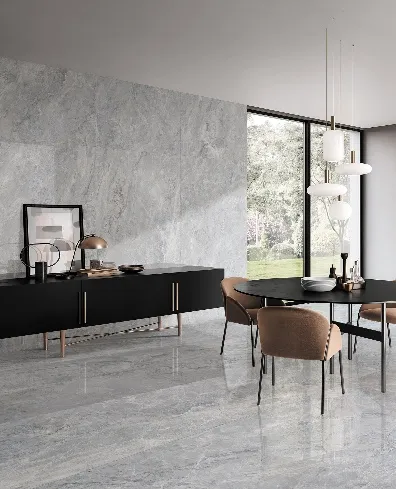
Before diving into the role of suppliers, let's first understand why porcelain slab tiles have become a go-to choice for modern wall solutions. Porcelain slab tiles are not your average ceramic tiles. Made from refined clay and minerals fired at extremely high temperatures (often exceeding 1200°C), they are denser, harder, and more resistant to moisture, stains, and scratches than traditional ceramics. What truly sets them apart, though, is their size and design flexibility. Today's porcelain slabs can measure up to 10 feet in length and 5 feet in width, allowing for large, uninterrupted wall surfaces with minimal grout lines—a game-changer for achieving that coveted "clean, modern" look.
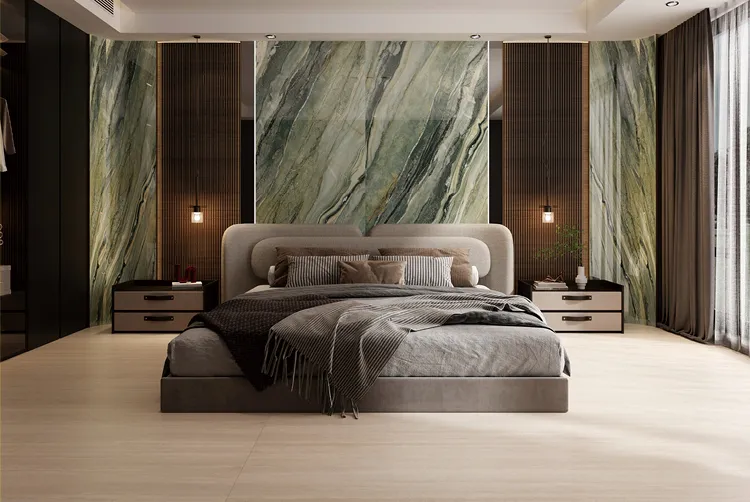
But it's not just about size. Thanks to advanced digital printing technology, porcelain slabs can replicate the (texture) and color of natural materials like marble, granite, wood, and even concrete with stunning accuracy. Want a wall that looks like Italian marble but won't etch when exposed to acidic spills? Porcelain can do that. Dream of a rustic wood-inspired accent wall in a high-traffic commercial space? Porcelain can mimic the grain and warmth without the risk of warping or termite damage. This versatility makes porcelain slab tile for wall solutions suitable for virtually any project, from cozy residential bedrooms to high-end hotel lobbies and busy hospital corridors.
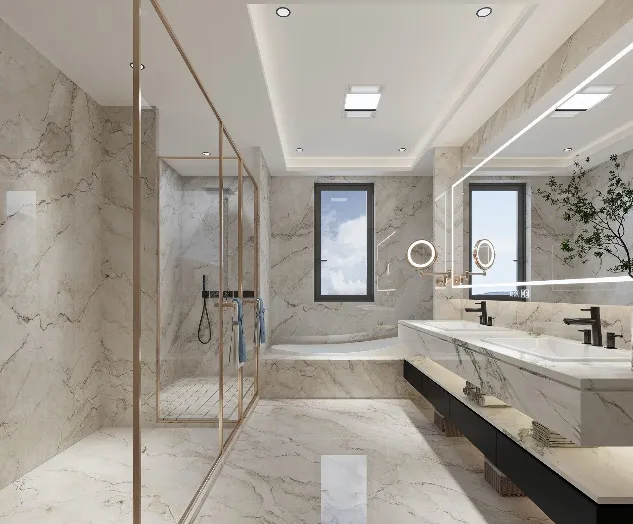
Durability is another non-negotiable factor. In commercial settings, walls take a beating—from frequent cleaning with harsh chemicals to accidental impacts. Porcelain slabs are non-porous, meaning they resist water, mold, and bacteria growth, making them ideal for spaces like kitchens, bathrooms, and healthcare facilities. In residential settings, homeowners appreciate that a porcelain wall panel won't fade in sunlight, can be wiped clean with a damp cloth, and won't require sealing or special treatments year after year. When you invest in porcelain, you're investing in a wall that will look as good in 20 years as it did on day one.
So, porcelain slabs are durable, beautiful, and versatile—but why does the supplier matter so much? After all, can't you just order tiles from any distributor? The short answer: no. In modern construction, where projects are complex and timelines are tight, a supplier is more than a middleman. They are a partner who brings expertise, reliability, and access to the right solutions at the right time. Let's break down why this partnership is critical.
A specialized porcelain slab tile for wall supplier doesn't just sell products—they understand the nuances of the material and how it performs in different environments. For example, a residential building materials supplier might guide a homeowner toward a lighter-weight porcelain slab for a bedroom accent wall, while a commercial building materials supplier would recommend a thicker, reinforced slab for a high-traffic retail space. They can advise on installation techniques (like wet vs. dry mounting), help navigate local building codes (such as fire resistance ratings), and even suggest design combinations that enhance the overall aesthetic of the project. This level of expertise is invaluable, especially for designers and contractors who may be working with large-format porcelain for the first time.
Modern clients don't want cookie-cutter spaces. They want walls that reflect their brand, personality, or unique design vision. A top-tier supplier understands this and offers more than just standard sizes and colors. They can work with clients to create custom designs, from one-of-a-kind digital prints to custom edge profiles or textured finishes. Imagine a hotel chain wanting to feature a local landscape on its lobby walls—with the right supplier, that vision can be translated into a custom porcelain slab design that tells a story. Without a supplier willing to collaborate on customization, such projects would remain on the drawing board.
There's nothing worse than a construction project grinding to a halt because materials are delayed or out of stock. A reputable supplier ensures a steady, reliable supply chain, even for large-scale projects. They have relationships with manufacturers, maintain inventory, and can anticipate potential delays (like shipping bottlenecks or raw material shortages) to keep your project on schedule. For commercial projects, where time is money, this reliability can mean the difference between opening on time and losing revenue. For residential projects, it means homeowners can move into their dream home without frustrating delays.
To truly understand the impact of a great supplier, let's look at two real-world examples—one residential, one commercial—where the choice of porcelain slab tile for wall supplier directly influenced the project's success.
A young couple in Riyadh wanted to transform their 3,000-square-foot villa into a modern minimalist retreat, with a focus on clean lines and natural light. Their architect specified large-format porcelain slabs for the living room feature wall, intending to use a "book-matched" marble-look design (where adjacent slabs mirror each other to create a symmetrical pattern). However, book-matching requires precise cutting and alignment, and not all suppliers carry slabs large enough or consistent enough in color to pull it off.
The couple initially considered a general building materials store, but the staff couldn't answer questions about slab thickness, installation methods, or how to ensure color consistency across batches. Frustrated, they turned to a specialized porcelain slab tile for wall supplier. The supplier provided samples of the exact marble-look slab, arranged for a mock-up of the book-matched design, and even connected the couple with an installer experienced in working with large-format tiles. The result? A stunning, seamless feature wall that became the centerpiece of the home. The supplier's expertise and attention to detail turned a complex design vision into reality.
A boutique hotel chain in Dubai decided to renovate 50 guest rooms, aiming to upgrade from traditional ceramic tiles to porcelain slabs for the bathroom walls and shower enclosures. The goal was to create a luxury spa-like feel while ensuring the walls could withstand daily cleaning and high humidity. The project manager initially sourced tiles from an overseas supplier to save costs, but the first shipment arrived with inconsistent sizing—some slabs were 2mm thinner than specified, making installation a nightmare. The delay pushed the renovation timeline back by six weeks, and the hotel had to compensate guests for canceled bookings.
Determined to avoid further issues, the project manager switched to a local commercial building materials supplier specializing in porcelain slab tile for wall solutions. The new supplier conducted a site visit, recommended a thicker, more durable slab suitable for wet areas, and guaranteed consistent sizing across all 50 rooms. They also provided technical support, including a detailed installation guide and on-site training for the contractors. The remaining rooms were completed on time, and the hotel received rave reviews for the "luxurious, easy-to-clean" bathrooms. The moral? Cutting corners on suppliers can cost far more in the long run.
Still not convinced that porcelain slabs (and their suppliers) are worth the investment? Let's compare them to other popular wall materials to see how they stack up. The table below highlights key factors like durability, maintenance, design flexibility, and cost.
| Material | Durability | Maintenance | Design Flexibility | Cost (per sq. ft.) | Best For |
|---|---|---|---|---|---|
| Porcelain Slab Tiles | High (resistant to scratches, moisture, stains) | Low (wipe clean; no sealing needed) | Excellent (digital printing mimics any material) | $15–$40 | Residential, commercial, wet areas (baths, kitchens) |
| Natural Stone (Marble/Granite) | Medium (prone to etching, staining; porous) | High (requires sealing every 1–2 years) | Good (unique natural patterns, but limited colors) | $30–$100+ | Luxury residential, high-end commercial (low traffic) |
| Ceramic Tiles (Standard) | Medium (less dense than porcelain; prone to chipping) | Medium (sealing required for porous types) | Limited (smaller sizes, fewer design options) | $5–$15 | Budget residential, low-traffic areas |
| MCM Flexible Cladding | Medium (lightweight but less impact-resistant) | Medium (may fade in direct sunlight) | Good (textured finishes, but limited prints) | $20–$35 | Exterior cladding, accent walls |
As the table shows, porcelain slabs offer the best balance of durability, low maintenance, and design flexibility, making them a smart choice for most modern projects. And when paired with a knowledgeable supplier, they become even more valuable—turning a good material into a great solution.
The future looks bright for porcelain slab tiles, and suppliers are at the forefront of innovation. Here are a few trends to watch:
Modern construction is about more than just putting up walls—it's about creating spaces that inspire, function, and endure. Porcelain slab tiles have emerged as a material that can meet these demands, but their true potential is unlocked only when paired with the right supplier. A specialized porcelain slab tile for wall supplier brings expertise, reliability, and customization to the table, turning your design vision into a tangible, beautiful reality.
Whether you're a homeowner building your dream house, an architect designing a landmark commercial project, or a contractor looking to deliver exceptional results, choosing the right supplier is as important as choosing the material itself. So, take the time to research, ask questions, and partner with a supplier who understands your goals, communicates clearly, and has a track record of success. After all, the walls of tomorrow deserve nothing less.
Recommend Products











