
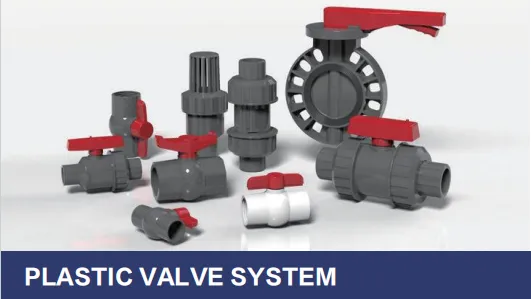
In the high-pressure world of chemical processing, where a single equipment failure can lead to environmental hazards, production delays, or even worker injuries, the choice of valve systems is far more than a technical detail—it's a critical decision that shapes operational reliability, safety, and long-term profitability. For decades, metal valves—cast iron, steel, brass—reigned supreme, their reputation for strength and durability making them the default choice for handling corrosive fluids, acids, and industrial solvents. But as chemical processes have grown more complex, and industries from pharmaceuticals to wastewater treatment demand higher performance standards, a quiet shift has been underway: plastic valve system solutions are rapidly emerging as the superior alternative, offering a blend of resilience, cost-efficiency, and safety that metal simply cannot match.
To understand why, let's start with the basics: valves are the "gatekeepers" of chemical systems, controlling flow rates, isolating pipelines, and preventing backflow. In chemical handling, they're exposed to some of the harshest conditions imaginable—think concentrated sulfuric acid, caustic soda, chlorine gas, and volatile organic compounds (VOCs). Metal, for all its perceived toughness, has a fatal flaw in this context: corrosion. Over time, chemicals react with metal surfaces, eating away at valve interiors, weakening seals, and creating microscopic cracks that eventually lead to leaks. Even "corrosion-resistant" metals like stainless steel falter when faced with highly reactive substances, requiring frequent inspections, repairs, and replacements that drain resources and disrupt operations.
Plastic valve system solutions, by contrast, are engineered to thrive in these hostile environments. Made from advanced polymers like PVC (polyvinyl chloride), UPVC (unplasticized PVC), PPR (polypropylene random copolymer), and CPVC (chlorinated PVC), these valves offer inherent resistance to chemical corrosion, along with a host of other advantages—lightweight design, lower maintenance, and compatibility with a wide range of fluids. For plant managers, engineers, and procurement teams, the question is no longer if plastic valves can handle the job, but why they weren't adopted sooner. In this article, we'll explore the key reasons plastic valve system solutions are outperforming metal in chemical handling applications, from their unmatched corrosion resistance to their long-term cost savings, and why partnering with a trusted plastic valve system supplier could transform your operation.
Before diving into the benefits of plastic, it's important to understand why metal valves, despite their long history, often fall short in chemical environments. Let's break down the most pressing issues:
Corrosion isn't just a cosmetic problem—it's a structural one. When metal valves interact with chemicals, electrochemical reactions occur, breaking down the metal at a molecular level. For example, iron-based valves exposed to acids form iron oxides (rust), which flake off and contaminate the fluid, while brass valves react with ammonia-based chemicals to form toxic byproducts. Even stainless steel, which contains chromium to resist rust, can develop "pitting corrosion" in the presence of chloride ions (found in seawater or industrial brines), creating tiny holes that compromise the valve's integrity.
The result? Leaks that start as minor drips but escalate into major spills, risking environmental fines, worker exposure, and unplanned downtime. A 2023 study by the American Society of Mechanical Engineers (ASME) found that corrosion-related valve failures cost the chemical industry over $4 billion annually in repairs, replacements, and lost production—numbers that only grow as chemical processes become more aggressive.
Metal valves are heavy—far heavier than their plastic counterparts. A 4-inch steel gate valve, for instance, can weigh upwards of 50 pounds, requiring specialized lifting equipment and multiple workers to install. This not only increases labor costs but also raises the risk of on-site injuries during installation or maintenance. In tight spaces, like offshore platforms or retrofitted chemical plants, the bulk of metal valves can make positioning difficult, leading to improper alignment and increased wear on seals over time.
In industries where fluid purity is critical—pharmaceuticals, food processing, semiconductor manufacturing—metal valves pose a hidden danger: contamination. As metal corrodes, rust particles, metal ions, and flakes can leach into the fluid, altering its composition and rendering batches unusable. For example, in pharmaceutical production, even trace amounts of copper from brass valves can react with active ingredients, compromising drug efficacy. In semiconductor manufacturing, metal contamination can ruin microchip circuits, leading to costly product failures.
These challenges aren't just inconveniences—they're systemic flaws that make metal valves a liability in modern chemical handling. Plastic valve system solutions, by contrast, are designed to address each of these issues head-on, offering a level of performance that metal simply cannot match.
Plastic valve systems aren't just a "lighter" alternative to metal—they're a smarter one, engineered to excel in the specific demands of chemical handling. Let's explore their most compelling benefits:
The single most significant advantage of plastic valve system solutions is their inherent resistance to chemical corrosion. Unlike metal, which reacts with acids, bases, and solvents, plastic polymers are inert to most chemicals, meaning they don't rust, oxidize, or degrade when exposed to harsh fluids. This is thanks to the molecular structure of materials like UPVC, PPR, and CPVC, which feature strong covalent bonds that resist breakdown even in aggressive environments.
Consider UPVC (unplasticized polyvinyl chloride), a staple in plastic valve systems and a specialty of leading upvc pipe suppliers. UPVC is virtually immune to corrosion from acids (hydrochloric, nitric), alkalis (sodium hydroxide), salts, and many organic solvents. It's why UPVC valves are the go-to choice for municipal wastewater treatment plants, where they handle sewage, chlorine, and pH-adjusting chemicals without degradation. Similarly, PPR (polypropylene random copolymer) valves, often paired with ppr pipe and fitting solutions, are ideal for hot water and chemical transfer applications, maintaining their strength and flexibility even at temperatures up to 95°C—far exceeding the limits of many metal valves.
For highly reactive chemicals like sulfuric acid or chlorine gas, CPVC (chlorinated PVC) valves stand out. CPVC's chlorine-modified structure makes it resistant to both high temperatures (up to 100°C) and strong oxidizing agents, making it a favorite in industrial chemical processing and pulp-and-paper mills. In one case study, a chemical plant in Texas replaced its stainless steel valves with CPVC plastic valve system solutions for handling 98% sulfuric acid. Within a year, they reported zero leaks, a 60% reduction in maintenance calls, and an estimated $200,000 in avoided downtime.
Critics of plastic valves often cling to the outdated stereotype of plastic as "flimsy" or short-lived. Nothing could be further from the truth. Modern plastic valve system solutions are built to last, with lifespans that often exceed 10–15 years in chemical applications—far longer than metal valves, which typically require replacement every 3–5 years due to corrosion. This longevity stems from two factors: resistance to wear and tear, and minimal maintenance needs.
Unlike metal valves, which require regular lubrication, painting, and seal replacements to prevent corrosion, plastic valves are "fit-and-forget" components. Their smooth, non-porous surfaces resist buildup of scale, sediment, and bacteria, reducing the need for cleaning or descaling. In fact, many plastic valve system suppliers offer warranties of 5–10 years, a testament to their confidence in the durability of their products. Compare that to metal valves, which often come with 1–2 year warranties and require annual inspections to check for corrosion—inspections that themselves cost time and money.
Take the example of a food processing plant in California that switched from brass valves to PVC plastic valve system solutions for handling vinegar and citrus juices (both acidic). The brass valves had required replacement every 2 years, at a cost of $500 per valve (including labor). The PVC valves, installed in 2018, are still in operation today—six years later—with no signs of degradation. The plant estimates savings of over $15,000 in replacement costs alone, not counting the downtime avoided.
At first glance, metal valves may seem cheaper than plastic—after all, a basic brass valve might cost $30, while a comparable UPVC valve from a plastic valve system supplier could cost $40. But this "sticker price" comparison is misleading. When you factor in the total cost of ownership (TCO)—initial purchase, installation, maintenance, replacement, and downtime—plastic valve system solutions are far more economical.
Let's break it down with a real-world example: a chemical plant with 100 valves, each requiring replacement every 3 years (metal) vs. 10 years (plastic). Assume each metal valve costs $50, and each plastic valve costs $60. Labor for installation is $100 per valve. Over 10 years:
That's a savings of $44,000 over 10 years—before even accounting for maintenance costs (metal valves require annual inspections and lubrication, adding $50 per valve per year, vs. $10 per year for plastic) or downtime (each metal valve replacement might take 2 hours, costing $200 in lost production per valve, vs. zero unplanned downtime for plastic). When you add it all up, plastic valve system solutions can reduce TCO by 50% or more over a decade.
Another cost advantage: plastic valves are lightweight, making them easier and cheaper to transport and install. A 6-inch steel valve can weigh 40 pounds, requiring two workers and lifting equipment to install. A plastic valve of the same size weighs just 10 pounds, installable by a single worker in half the time. For large-scale projects, this translates to significant labor savings during construction or retrofits.
In chemical handling, safety is non-negotiable—and plastic valve system solutions excel here, too. Unlike metal valves, which can fail catastrophically due to corrosion, plastic valves degrade slowly and predictably, often showing visible signs (e.g., discoloration, minor warping) long before a leak occurs. This gives maintenance teams time to schedule replacements, avoiding sudden failures that could lead to chemical spills or explosions.
Plastic valves also eliminate the risk of metal contamination, a critical concern in industries like pharmaceuticals, food processing, and electronics manufacturing. Since plastic is inert, it doesn't leach ions or particles into the fluid, ensuring product purity. For example, a pharmaceutical company using plastic valve system solutions to transfer active ingredients can rest assured that no metal residues will compromise batch quality—a compliance requirement for FDA and EU regulations.
Additionally, plastic valves are non-conductive, reducing the risk of electrostatic discharge (ESD)—a major hazard when handling flammable chemicals. Metal valves, by contrast, can accumulate static electricity, creating sparks that ignite volatile vapors. In oil refineries and chemical plants, this difference can mean the line between a safe operation and a disaster.
Chemical handling isn't a one-size-fits-all industry, and plastic valve system solutions are designed to adapt to diverse needs. Whether you're managing low-pressure laboratory lines or high-flow industrial pipelines, there's a plastic valve material and design to match. UPVC valves handle cold water and chemicals up to 60°C; CPVC valves handle higher temperatures (up to 93°C); PPR valves excel in hot water and food-grade applications; and PVDF (polyvinylidene fluoride) valves—though more specialized—tackle ultra-aggressive chemicals like hydrofluoric acid.
Plastic valves also come in a wide range of configurations: ball valves, gate valves, check valves, butterfly valves, and more, ensuring compatibility with any pipeline system. And because they're lightweight and modular, they're easy to integrate with existing infrastructure—whether you're retrofitting a decades-old plant or building a new facility from the ground up. Reputable plastic valve system suppliers often offer custom solutions, too, designing valves to meet unique pressure, temperature, or flow requirements.
| Feature | Plastic Valve System Solutions | Metal Valve Systems |
|---|---|---|
| Corrosion Resistance | Excellent: Inert to most acids, bases, and solvents; no rust or oxidation. | Poor: Reacts with chemicals, leading to rust, pitting, and degradation over time. |
| Expected Lifespan | 10–15 years in chemical applications. | 3–5 years in chemical applications (due to corrosion). |
| Maintenance Requirements | Minimal: No lubrication, painting, or regular inspections needed. | High: Regular cleaning, lubrication, and corrosion checks required. |
| Installation Ease | Lightweight (50–70% lighter than metal); easy to handle and install with basic tools. | Heavy; often requires lifting equipment and multiple workers. |
| Chemical Contamination Risk | None: Inert materials prevent leaching of particles or ions. | High: Corroded metal can shed rust or metal ions into fluids. |
| Total Cost of Ownership (10-Year) | ~$160 per valve (initial + installation + maintenance). | ~$600 per valve (initial + repeated replacements + maintenance + downtime). |
| Temperature Range | UPVC: -10°C to 60°C; CPVC: -15°C to 93°C; PPR: -10°C to 95°C. | Steel: -20°C to 400°C (but limited by corrosion resistance in chemicals). |
While the benefits of plastic valve system solutions are clear, their performance depends on partnering with a reputable supplier. Not all plastic valves are created equal—cheap, low-quality valves made with recycled or inferior polymers can crack, warp, or fail prematurely, negating the advantages of plastic.
When selecting a plastic valve system supplier, look for these key traits:
The supplier should use high-grade polymers (UPVC, PPR, CPVC) sourced from reputable manufacturers. Look for certifications like ISO 9001 (quality management), NSF/ANSI 61 (drinking water safety), and ASTM D1784 (PVC standards) to ensure compliance with industry regulations.
A good supplier offers a full line of valves, pipes, and fittings, allowing you to source your entire system from one partner. This ensures compatibility and simplifies troubleshooting. For example, a supplier that provides both plastic valve system solutions and ppr pipe and fitting solutions can ensure your valves and pipes work seamlessly together, reducing the risk of leaks or pressure drops.
Chemical handling applications vary widely, so your supplier should have knowledgeable staff who can help you select the right material (UPVC vs. PPR vs. CPVC) and valve type for your specific fluid, temperature, and pressure requirements. Avoid suppliers who push a one-size-fits-all solution.
From pre-sales to post-installation support, the supplier should offer responsive service. This includes help with installation guides, warranty claims, and replacement parts—critical for minimizing downtime if issues arise.
In the world of chemical handling, where reliability, safety, and cost-efficiency are non-negotiable, plastic valve system solutions have proven they're more than just a trend—they're the future. By offering unmatched corrosion resistance, longer lifespans, lower total cost of ownership, and superior safety, plastic valves address the core weaknesses of metal valves while delivering performance that meets the demands of modern chemical processes.
Whether you're operating a small laboratory, a municipal wastewater plant, or a large-scale industrial facility, the choice is clear: plastic valve system solutions are the smarter, safer, and more economical option for chemical handling. And by partnering with a trusted plastic valve system supplier—one that prioritizes quality, expertise, and customer support—you can unlock the full potential of these innovative solutions, ensuring your operations run smoothly, safely, and profitably for years to come.
The era of metal valves in chemical handling is ending. It's time to embrace the future—and that future is plastic.
Recommend Products












