
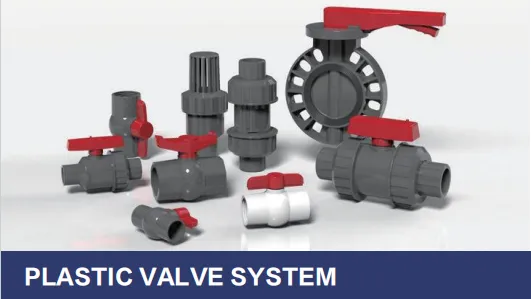
In recent years, the construction industry has undergone a quiet revolution. As climate concerns take center stage and homeowners, architects, and developers alike prioritize sustainability, "green building" has shifted from a niche trend to a mainstream necessity. From energy-efficient appliances to recycled building materials, every component of a structure is now scrutinized for its environmental impact. Among the unsung heroes of this movement? Plastic valve system solutions. These unassuming components—often hidden behind walls or beneath floors—are playing a pivotal role in making modern buildings more eco-friendly, cost-effective, and durable. But why exactly are they becoming the go-to choice for green building projects? Let's dive in.
Before we explore plastic valve systems, let's set the scene. Green building—also known as sustainable or high-performance building—focuses on minimizing a structure's environmental footprint throughout its lifecycle. This includes reducing energy consumption, conserving water, lowering waste, and using materials that are either recycled, renewable, or have low embodied carbon (the total emissions generated during production, transportation, and installation). Governments are pushing this shift too: regulations like LEED (Leadership in Energy and Environmental Design) in the U.S., BREEAM in Europe, and local green building codes in regions like Saudi Arabia are now standard, rewarding projects that meet strict sustainability benchmarks.
But green building isn't just about checking boxes for certifications. It's about creating spaces that are healthier for occupants, more resilient to climate change, and cheaper to maintain over time. And here's where plastic valve system solutions come into play. These systems—comprising valves, pipes, and fittings made from durable plastics like UPVC, PPR, and PE—are proving to be a perfect fit for the green building ethos. Let's break down why.
At the heart of green building is the goal to reduce carbon emissions, and plastic valve system solutions excel here. Traditional valve and piping materials like copper or galvanized steel require intensive mining, smelting, and manufacturing processes—all of which release significant greenhouse gases. Plastic, by contrast, is lighter, requires less energy to produce, and generates fewer emissions during manufacturing. For example, producing UPVC pipe solutions emits up to 60% less carbon than producing the same length of copper pipe, according to industry studies.
But sustainability doesn't stop at production. Plastic valve systems are also designed with circularity in mind. Many plastics used in these solutions, such as PPR (polypropylene random copolymer), are recyclable at the end of their lifespan. This means that when a building undergoes renovation or reaches the end of its use, the valves and pipes can be repurposed into new products, reducing the amount of waste sent to landfills. Compare this to metal pipes, which often corrode over time and become too damaged to recycle, ending up as scrap.
Water conservation is another key pillar of green building, and plastic valve systems shine here as well. Their smooth inner surfaces reduce friction, allowing water to flow more efficiently with less pressure. This not only cuts down on energy use (since pumps don't have to work as hard) but also minimizes water waste—a critical factor in regions facing drought, like parts of Saudi Arabia where upvc pipe suppliers have seen a surge in demand for water-efficient solutions.
Sustainability means nothing if a product doesn't last. After all, frequent replacements mean more manufacturing, more transportation, and more waste—exactly what green building aims to avoid. Plastic valve system solutions are built to endure, and their durability is a major reason for their growing popularity.
Unlike metal, plastic is naturally resistant to corrosion, rust, and chemical degradation. This makes plastic valves and pipes ideal for a wide range of applications, from residential plumbing systems carrying tap water to industrial settings handling chemicals. For instance, PPR pipe and fitting solutions are known for their high temperature resistance (up to 95°C), making them a staple in hot water systems. They don't degrade when exposed to chlorine, a common chemical in municipal water supplies, ensuring they maintain their integrity for decades.
In coastal areas, where saltwater air can eat away at metal pipes in a matter of years, plastic systems like UPVC remain unaffected. This longevity translates to fewer replacements, lower maintenance costs, and a smaller environmental footprint over the building's lifetime. It's no wonder that developers in beachfront properties are increasingly turning to plastic valve system suppliers for peace of mind.
To put this in perspective, let's look at lifespans. A typical copper pipe might last 20-50 years, depending on conditions. In contrast, quality UPVC pipe solutions can last 50-100 years with proper installation. That's a significant difference when calculating the total environmental impact of a building's plumbing system.
One of the biggest misconceptions about green building is that it's always more expensive. While some sustainable materials do come with a higher upfront cost, plastic valve system solutions flip this narrative on its head. They're not just eco-friendly—they're budget-friendly too.
First, the materials themselves are often cheaper than traditional options. Plastic is less expensive to produce than copper or steel, and this cost savings is passed on to consumers. For example, UPVC pipes cost roughly 30-50% less than copper pipes of the same diameter. When you multiply this by the hundreds of meters of piping needed in a commercial building, the savings add up quickly.
Installation costs are another area where plastic valve systems shine. Plastic is lightweight, making it easier and faster to transport and install. Unlike metal pipes, which require specialized tools for cutting and threading, plastic pipes can be cut with a simple saw and joined using heat fusion (for PPR) or solvent cement (for UPVC). This reduces labor time, which is a major portion of any construction budget. A team of contractors can install a plastic plumbing system in a residential home in half the time it would take to install a copper system, according to industry estimates.
Long-term maintenance costs are lower too. Since plastic doesn't corrode or rust, there's no need for regular inspections or repairs to fix leaks caused by degradation. This is especially valuable for large-scale projects like hospitals or schools, where downtime for repairs can disrupt operations. For example, class A fireproof CPL inorganic board suppliers often pair their products with plastic valve systems to create low-maintenance, long-lasting building envelopes.
Green building isn't a one-size-fits-all concept. A residential home, a hospital, and a commercial office all have unique needs, and plastic valve system solutions are versatile enough to meet them all. This adaptability is a major reason they're becoming a staple in the industry.
For starters, plastic valve systems come in a wide range of sizes, from small 16mm pipes used in underfloor heating to large 630mm pipes for industrial water mains. They can be customized to fit specific project requirements, whether it's a tight space in a high-rise apartment or a complex network in a shopping mall. Plastic valve system suppliers often work closely with architects and contractors to design bespoke solutions, ensuring every inch of space is used efficiently.
In specialized settings like hospitals, where hygiene and safety are paramount, plastic valve systems offer unique advantages. UPVC pipe solutions, for example, are non-porous, meaning they don't harbor bacteria or mold—a critical feature in environments where infection control is a top priority. They're also easy to clean, requiring only mild detergents to maintain sterility. Similarly, in schools, where durability and low maintenance are key, plastic valves and pipes stand up to heavy use without compromising on safety.
Even in green building projects focused on energy efficiency, plastic plays a role. For instance, PEX (cross-linked polyethylene) pipe solutions are flexible and easy to install in tight spaces, making them ideal for radiant floor heating systems. These systems use less energy than traditional forced-air heating, and when paired with plastic valves that allow for precise temperature control, they become even more efficient.
To better understand why plastic valve system solutions are taking over, let's compare them side-by-side with traditional materials like copper and galvanized steel. The table below breaks down key factors that matter in green building:
| Material | Carbon Footprint (Production) | Expected Lifespan | Maintenance Needs | Recyclability | Installation Time |
|---|---|---|---|---|---|
| Plastic (UPVC/PPR) | Low (60% less than copper) | 50-100 years | Minimal (no corrosion/rust) | High (recyclable at end of life) | Fast (lightweight, easy to cut/join) |
| Copper | High (intensive mining/smelting) | 20-50 years | High (prone to corrosion, requires periodic inspections) | Medium (recyclable but often damaged beyond reuse) | Slow (heavy, requires threading tools) |
| Galvanized Steel | Very High (energy-intensive production) | 15-30 years | Very High (rusts easily, needs frequent replacements) | Low (corroded steel is hard to recycle) | Slow (heavy, requires welding/cutting tools) |
To see these benefits in action, let's look at a recent project in Riyadh, Saudi Arabia. A developer set out to build a 50-unit residential complex with LEED Gold certification, focusing on energy efficiency, water conservation, and low carbon emissions. Early in the planning phase, the team chose plastic valve system solutions and upvc pipe solutions for the plumbing and HVAC systems.
The results were impressive. By using UPVC pipes and PPR fittings, the project reduced its carbon footprint by an estimated 45% compared to using copper pipes. The smooth inner surfaces of the plastic pipes also cut water pump energy use by 20%, lowering utility bills for residents. Over the first five years, maintenance costs were 30% lower than similar complexes using metal systems, thanks to the plastic's resistance to corrosion. Today, the complex is a showcase for green building in the region, and the developer has since used plastic valve systems in all its new projects.
For developers and builders, meeting green building certifications like LEED or BREEAM is often a top priority. These certifications not only boost a project's marketability but also open doors to tax incentives and grants. Plastic valve system solutions are designed to align with these standards, making them a smart choice for certification-seekers.
LEED, for example, awards points for using materials with low embodied carbon, conserving water, and reducing waste. Plastic valve systems contribute to several LEED credits: Materials and Resources (for recyclability), Energy and Atmosphere (for energy-efficient water flow), and Indoor Environmental Quality (for mold resistance). Similarly, BREEAM, which focuses on sustainable building design, recognizes plastic's role in reducing lifecycle environmental impact.
Plastic valve system suppliers are also investing in third-party certifications to validate their green credentials. Many products now carry labels like ISO 14001 (environmental management) and WRAS (Water Regulations Advisory Scheme), giving builders confidence that they're choosing solutions that meet the highest sustainability and safety standards.
As green building becomes the norm rather than the exception, the demand for sustainable, durable, and cost-effective materials will only grow. Plastic valve system solutions are well-positioned to lead this charge. With ongoing innovations in material science, we can expect even more eco-friendly options in the future—think bio-based plastics derived from renewable resources like corn or sugarcane, or self-healing plastics that repair small cracks automatically, extending lifespans further.
For homeowners, this means healthier, more efficient homes with lower utility bills. For builders, it means meeting strict regulations without breaking the bank. And for the planet, it means fewer emissions, less waste, and a more sustainable future. It's no wonder that plastic valve system solutions are no longer just an option—they're the future of green building.
So, the next time you walk into a LEED-certified building or a newly constructed home with eco-friendly features, take a moment to appreciate the unsung heroes behind the scenes. The plastic valves and pipes hidden in the walls might not be glamorous, but they're hard at work, making green building a reality—one drop of water, one kilowatt of energy, and one sustainable choice at a time.
Recommend Products












