Exploring the benefits, applications, and sourcing strategies for cross-linked polyethylene piping in residential and commercial construction
In the world of modern plumbing, the materials you choose can make or break a project. Among the many options available today,
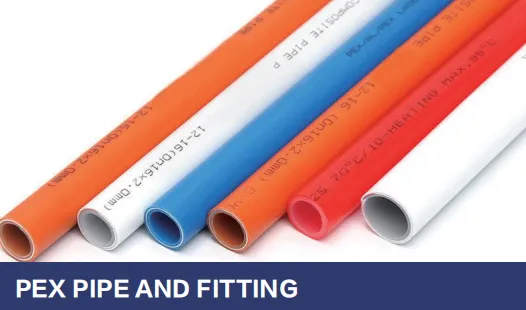
pex pipe and fitting solutions have emerged as a leading choice for contractors, developers, and building owners alike. Cross-linked polyethylene (PEX) offers a combination of flexibility, durability, and cost-effectiveness that traditional materials like copper, PVC, and galvanized steel simply cannot match. Whether you are working on a single-family home, a multi-story apartment complex, or a large-scale commercial facility, PEX piping systems deliver reliable performance across a wide range of applications.
What Makes PEX Pipes Stand Out
PEX pipe is manufactured through a cross-linking process that transforms standard polyethylene into a material with significantly enhanced thermal and mechanical properties. This process gives PEX its signature flexibility and resilience, allowing it to withstand temperature extremes, resist chemical corrosion, and maintain structural integrity over decades of service.
One of the most compelling advantages of PEX is its high-temperature tolerance. While standard PVC and ABS pipes typically max out around 65°C, PEX can comfortably handle temperatures up to 95°C, making it an ideal choice for hot water distribution systems. This thermal stability translates into greater safety and reliability, especially in buildings where consistent hot water delivery is critical — think hospitals, hotels, and multi-unit residential properties.
Longevity is another major selling point. PEX pipes have a projected service life of 50 years or more, far exceeding many traditional materials that can degrade, corrode, or develop leaks over time. PEX is naturally resistant to scale buildup and chlorine, which means water quality remains high and maintenance costs stay low. For property developers and facility managers, this long-term reliability equates to a lower total cost of ownership.
PEX pipes can withstand temperatures up to 95°C, compared to just 65°C for PVC and ABS — making them the superior choice for hot water systems, with a service life exceeding 50 years.
Installation Efficiency and Cost Savings
From a practical standpoint, PEX piping systems are remarkably easy to install. Unlike rigid copper or galvanized steel pipes that require extensive cutting, soldering, and threading, PEX can be bent around corners and routed through walls with minimal fittings. Fewer joints mean fewer potential leak points, and the flexible nature of PEX reduces the need for specialized tools and labor-intensive installation techniques.
The installation advantages of PEX directly translate into cost savings. While the upfront material cost of PEX may be slightly higher than some alternatives, the reduced labor time, fewer required fittings, and lower risk of installation errors result in a lower overall project cost. For large-scale developments, these savings can be substantial. Additionally, PEX is an environmentally friendly material that can be recycled, aligning with the growing demand for sustainable building practices.
Choosing the Right PEX Pipe Fittings Supplier
The performance of any PEX piping system depends heavily on the quality of its fittings. A reliable
pex pipe fittings supplier should offer a comprehensive range of connectors, valves, manifolds, and accessories that are manufactured to meet international standards. Look for fittings made from materials such as brass, PPSU (polyphenylsulfone), or high-grade polymers that can maintain their integrity under pressure and across temperature cycles.
When evaluating suppliers, consider factors such as certification compliance (ISO, CE, NSF), manufacturing consistency, and the supplier's ability to provide technical support. A supplier with a broad product portfolio and global export experience can help ensure that your project runs smoothly, whether you are sourcing materials for a single building or an entire development pipeline.
Beyond PEX: A Complete Piping and Fittings Solution
While PEX is an excellent choice for many applications, most construction projects require a mix of piping materials to meet different needs. UPVC is commonly used for drainage and venting, CPVC handles high-pressure industrial applications, and PPR is a popular option for hot and cold water systems. A supplier that offers comprehensive
pipes fittings solutions across multiple material types can simplify procurement, reduce logistics complexity, and ensure consistency across your project.
This is where a
one-stop architectural solution provider like COLORIA GROUP makes a significant difference. With 13 product categories covering everything from walls and flooring to electrical fixtures, elevators, and solar panels, COLORIA GROUP streamlines the entire building materials supply chain. For pipes and fittings specifically, the company offers PEX, PPR, UPVC, CPVC, and PVC piping systems, along with a full range of compatible fittings, valves, and accessories — all sourced from trusted manufacturers and backed by export-ready quality assurance.
Applications Across Building Types
PEX piping systems are versatile enough to serve a wide range of building types and use cases:
Residential homes — hot and cold water distribution, radiant floor heating, snow melting systems
Multi-family apartments — centralized plumbing risers, individual unit manifolds for better water pressure control
Hotels and hospitality — reliable hot water delivery for guest rooms, kitchens, and laundry facilities
Hospitals and healthcare facilities — dependable hot water for sanitation, sterilization, and patient care
Commercial buildings — efficient plumbing layouts that reduce material waste and installation time
Industrial facilities — chemical-resistant piping for process water and temperature-controlled environments
Key Considerations When Sourcing PEX Products
Before placing an order, procurement teams should verify several key details. Confirm that the PEX type (PEX-A, PEX-B, or PEX-C) matches your project requirements — each type has slightly different properties in terms of flexibility, thermal memory, and resistance to kinking. Check that all fittings carry the appropriate pressure and temperature ratings for your intended application. Request documentation for any relevant certifications, such as ISO 9001, NSF/ANSI 61 for drinking water safety, or regional compliance marks like the WRAS in the UK or the WaterMark in Australia.
Working with a supplier that has established export experience — particularly in markets like the Middle East, Southeast Asia, Africa, and South America — can also provide peace of mind. Such suppliers understand the logistics, documentation, and regulatory requirements involved in international shipping, helping to avoid costly delays at customs.
Ready to Source Quality PEX Pipes and Fittings for Your Next Project?
COLORIA GROUP offers a comprehensive range of PEX pipe and fitting solutions, complete with professional technical support and global shipping capabilities. As a trusted one-stop building materials supplier headquartered in Foshan, China, with an agent in Saudi Arabia, the company serves clients across residential, commercial, and institutional construction sectors worldwide. Whether you need PEX piping for a single residential build or a complete package of pipes and fittings for a large-scale development, the team is ready to help. Visit the
pipes fittings solutions page or contact the team directly to discuss your requirements and request a quote.