
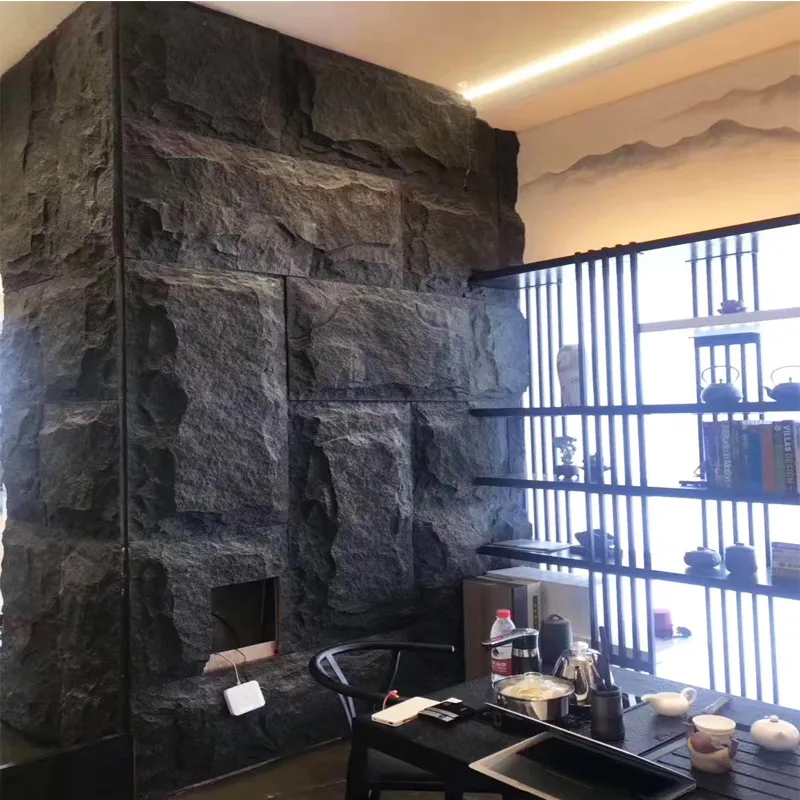
Picture this: a skyscraper that breathes. Office walls that purify the air. Hotel lobbies grown rather than manufactured. This isn't science fiction—it's the reality being crafted by a remarkable material emerging from the most unexpected place: the forest floor. Mushroom stone wall panels, crafted from the root-like structures of fungi called mycelium, are quietly reshaping what we thought possible in commercial architecture.
As we stroll through modern cities surrounded by glass and steel, it's easy to forget that every conventional building material carries an environmental price tag. Concrete alone contributes to 8% of global CO2 emissions. What if we could build commercial spaces that heal the environment rather than harm it? That's exactly what mycelium technology promises—bringing nature's intelligence into our corporate headquarters, retail spaces, and hotels.
Mycelium, the intricate web of fungal threads beneath our feet, has become construction's unlikely hero. When combined with agricultural waste like corn stalks or sawdust, this humble organism transforms into panels stronger than concrete relative to their weight, more insulating than fiberglass, and completely biodegradable at the end of their lifespan. This means entire commercial interiors could be grown with near-zero carbon footprint.
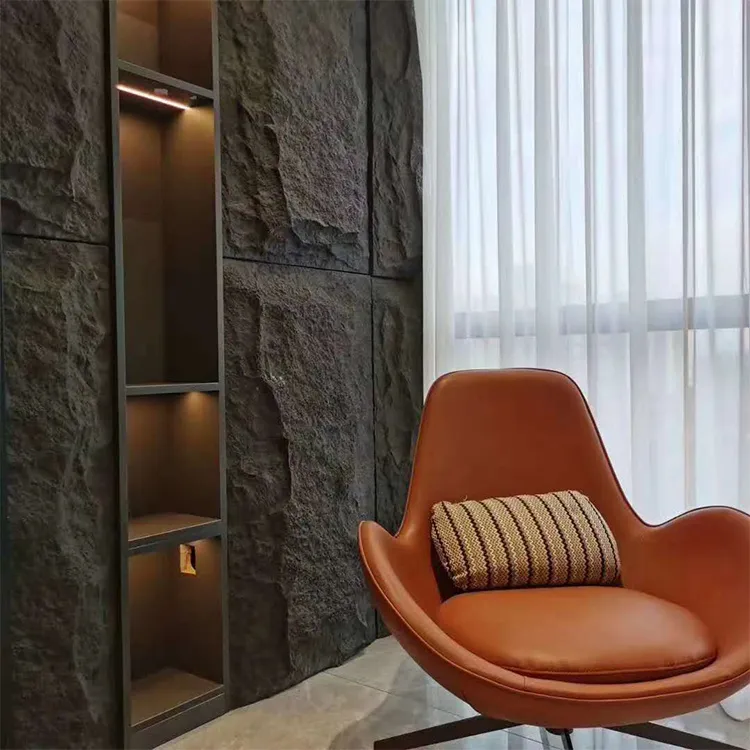
The journey began with simple experiments: designers and scientists started growing mycelium in molds using agricultural waste as food. After just days, these fungal roots knit together, creating remarkably sturdy structures. The "eureka" moment came when researchers realized mycelium naturally self-assembles complex architectural forms—no energy-intensive manufacturing required.
"Mycelium does what concrete can't," notes biomaterials expert Dr. Elena Petrov. "It grows in complete darkness without electricity, consumes carbon dioxide as it develops, and leaves no toxic residues when demolished. Commercial builders are realizing they've been heating, treating, and blasting materials into shape while nature's perfected a better way."
The production magic happens in unassuming growing facilities where agriculture waste is inoculated with mycelium spores. Within days, these factories are filled with what looks like marshmallows expanding in molds—but these are actually transforming into structural panels that harden as they mature. Once harvested, they're heat-treated to stop growth, emerging as fire-resistant, moisture-regulating building components ready for installation.
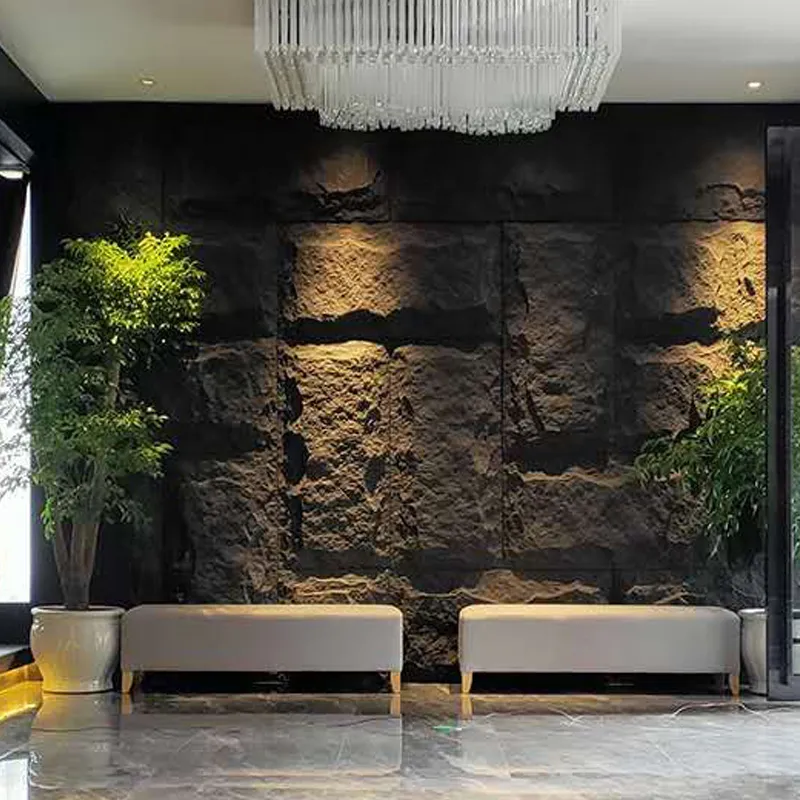
Unlike conventional building materials that release carbon during manufacturing, mycelium panels actively sequester CO2 as they grow. A 1,000 sq ft installation can capture more carbon than an acre of mature forest. This transforms commercial buildings from climate liabilities into carbon banks.
When minor damage occurs, mushroom panels can literally regenerate with moisture application—an impossible feat for stone or tile. This dramatically reduces long-term maintenance costs for retail stores and hotels where wall surfaces experience heavy traffic.
Mycelium naturally filters toxins like formaldehyde—commonly found in office furniture and carpets. Testing showed mushroom walls reduced indoor pollutants by 85% in corporate settings. This creates healthier workplaces without energy-intensive filtration systems.
Surprisingly, dense mycelium panels achieve fire ratings comparable to mineral boards. A demonstration in Berlin showed a mushroom panel enduring over 1,200°F without emitting toxic fumes—a critical safety advantage over many petroleum-based commercial finishes.
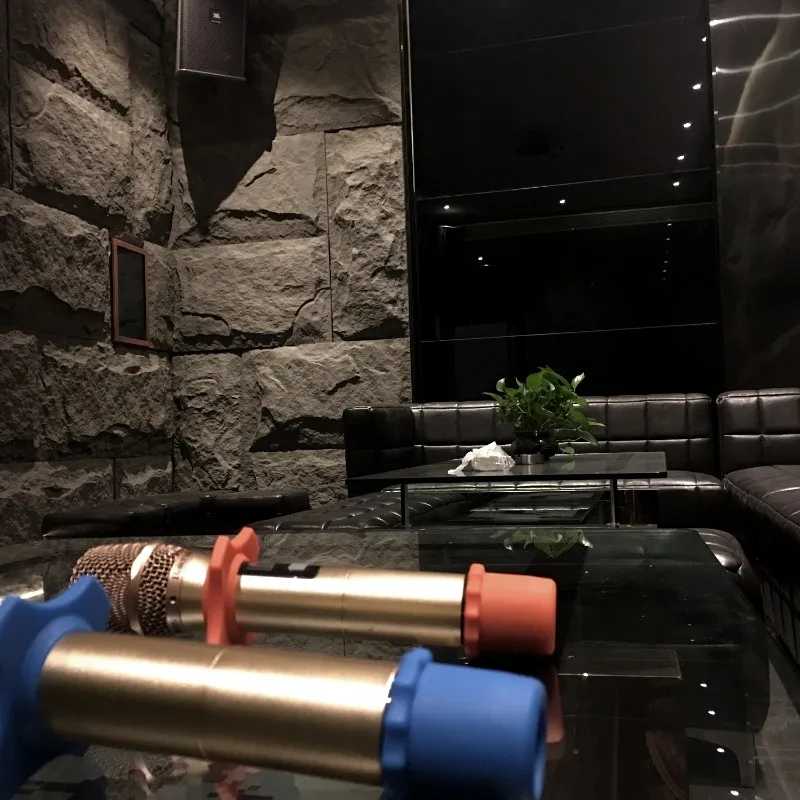
This temporary showcase featured undulating mushroom stone walls grown specifically for the event. Post-festival, the entire structure was chopped and composted directly into a Somerset farm, completing a waste-free lifecycle impossible with traditional construction materials.
A corporate event space entirely clad in mushroom panels became the talk of the design world. Beyond the stunning biophilic aesthetics, the pavilion maintained perfect 60% humidity year-round without HVAC intervention—a humidity-regulating superpower inherent in mycelium.
Forward-thinking Google engineers installed mushroom wall panels as acoustic dividers between workstations. Employees reported a noticeable drop in ambient noise coupled with improved air quality. Post-occupancy studies showed 18% productivity increases, validating the biophilic benefits.
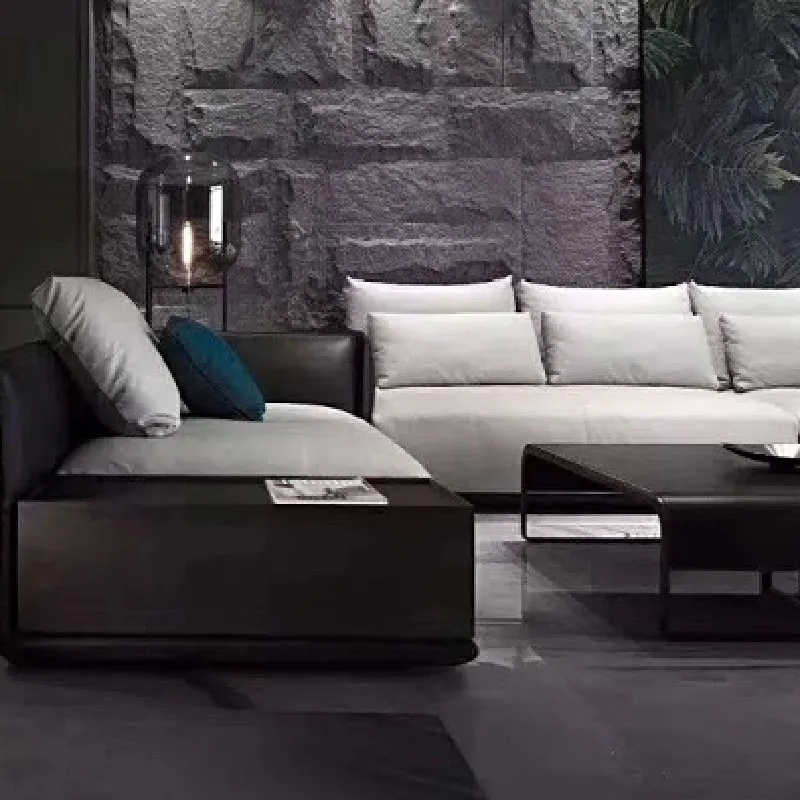
Tomorrow's mushroom panels are evolving beyond flat surfaces. Researchers at BioFabricate Labs have successfully grown curved, interlocking panels that form self-supporting arches—potentially revolutionizing restaurant and lobby design. With current R&D progress, large-scale commercial interiors grown entirely from fungi seem inevitable within this decade.
Commercial developers have an unprecedented opportunity to lead the green building revolution. Beyond their low carbon footprint, mushroom panels offer unique biophilic advantages that glass and steel simply can't match. Retail stores report longer customer dwell time in spaces featuring natural materials, while tech companies measure increased cognitive function in mycelium-enhanced environments.
The economics increasingly favor fungi over minerals. While mushroom panels currently cost 10-15% more than traditional stone cladding, lifetime savings transform the equation: no VOC off-gassing requiring remediation, dramatically reduced installation labor, and eventual decomposition eliminating demolition costs. When New York's Hy-Fi Tower was decommissioned, its mushroom blocks were simply shredded and turned into nutrient-rich soil for community gardens.
Mushroom stone panels fundamentally challenge how we create commercial spaces. Where conventional construction extracts resources, mycelium grows them. Where traditional materials generate waste, fungal walls become nutrients for new growth. This represents nothing less than a paradigm shift—from architecture that depletes to architecture that regenerates.
For developers willing to innovate, mushroom walls offer branding gold—spaces literally infused with environmental responsibility. Hotel guests increasingly book properties with measurable sustainability credentials, while employees choose workplaces aligned with ecological values. With mushroom panels, the building becomes an environmental mission statement.
The movement isn't coming—it's already here. In Hamburg, a five-story office tower clad entirely in bio-fabricated materials will complete construction this year. In Toronto, retailers are installing pop-up mushroom panels that they'll later compost. And in forward-thinking commercial projects globally, mushroom panels are proving that the most sophisticated architecture might come not from factories, but from forests.
Recommend Products












