
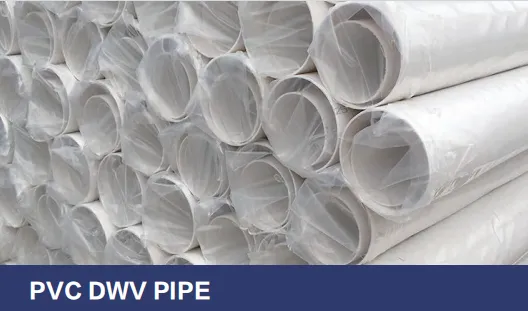
In the heart of the Middle East's construction boom—where skyscrapers pierce the skyline of Dubai, hospitals expand to serve growing populations in Riyadh, and residential complexes rise in Doha—one thing remains constant: the success of every project hinges on the reliability of its building materials. Among these, PVC DWV (Drainage, Waste, and Vent) pipes play a silent yet critical role. These unassuming components carry away wastewater, manage air pressure in plumbing systems, and ensure buildings remain hygienic and functional for decades. But sourcing them isn't just about picking a product off a shelf. For project managers, contractors, and developers across the region, the choice often comes down to one key decision: local or international suppliers. More often than not, local PVC DWV pipe suppliers are emerging as the trusted partners, and for good reason.
Before diving into why local suppliers earn that trust, let's take a moment to appreciate the importance of PVC DWV pipes. In any building—whether a luxury villa, a bustling shopping mall, or a state-of-the-art hospital—these pipes form the circulatory system of waste management. A faulty DWV system can lead to leaks, mold growth, unpleasant odors, and even structural damage. For critical facilities like hospitals, where hygiene is non-negotiable, or high-rise residential towers, where space is limited, the quality and precision of these pipes are paramount. That's why project managers don't just buy pipes—they invest in peace of mind.
But here's the challenge: Sourcing PVC DWV pipes from international suppliers often comes with a laundry list of headaches. Long shipping times (sometimes 8–12 weeks), unpredictable delays due to global supply chain snags, compliance issues with regional regulations, and language barriers when technical support is needed. For a region where construction timelines are tight and budgets are closely monitored, these hurdles can turn a well-planned project into a stressful race against the clock. Enter local suppliers—companies rooted in the Middle East, who speak the language of the market and understand its unique demands.
Imagine ordering a critical batch of PVC DWV pipes for a high-rise in Abu Dhabi, only to have the shipment delayed by a port strike in another continent. For local suppliers, that scenario is almost unheard of. With warehouses and manufacturing facilities within the region—often a short drive from major construction hubs—local suppliers can deliver orders in days, not months. Take a recent project in Jeddah, for example: a residential complex with 500 units needed 2,000 meters of PVC DWV pipes urgently after a last-minute design change. The local supplier delivered the customized pipes within 72 hours, keeping the project on track. Compare that to the 10-week wait the team had experienced with an international supplier on their previous project. When time is money, proximity isn't just a convenience—it's a competitive advantage.
The Middle East has its own set of strict standards for building materials. In Saudi Arabia, products must comply with SASO (Saudi Standards, Metrology, and Quality Organization) regulations. In the UAE, ESMA (Emirates Authority for Standardization and Metrology) sets the bar. International suppliers may claim compliance, but verifying that compliance—especially when certificates are in a foreign language or based on outdated standards—can be a bureaucratic nightmare. Local suppliers, by contrast, breathe these regulations. They undergo regular audits, maintain up-to-date certifications, and often have direct relationships with regulatory bodies. For example, a leading local PVC DWV pipe supplier in Dubai recently helped a school project navigate ESMA's latest fire safety amendments, ensuring the pipes met both drainage and fire resistance requirements. That kind of local insight is priceless.
In a tight-knit construction community like the Middle East, a supplier's reputation is their most valuable asset. Local PVC DWV pipe suppliers don't just sell products—they build relationships. That means rigorous quality control processes, from raw material selection to manufacturing to final inspection. Many local suppliers invest in state-of-the-art testing labs to ensure their pipes meet or exceed regional standards for durability, chemical resistance, and pressure tolerance. For instance, a Riyadh-based supplier recently introduced a new PVC DWV pipe with enhanced impact resistance, specifically designed to withstand the region's extreme temperature fluctuations (from scorching summers to cooler winters). When a project manager in Dammam heard about this innovation, they switched from an international brand—and haven't looked back. Why? Because they could visit the supplier's factory, meet the team, and see the quality firsthand.
Middle East construction projects aren't one-size-fits-all. A luxury hotel in Bahrain might need larger-diameter DWV pipes to handle high occupancy, while a boutique residential building in Muscat might require space-saving slim-profile pipes. Local suppliers thrive on this flexibility. They work closely with architects and contractors to tailor solutions—whether it's custom lengths, specialized fittings, or even color-coded pipes for easier installation in complex systems. Take a recent commercial project in Kuwait City: the design called for DWV pipes that could integrate with a smart building management system. The local supplier collaborated with the project's engineering team to modify the pipe's internal structure, adding sensors that monitor flow and detect blockages. An international supplier might have dismissed this as "too niche," but for the local team, it was just another day of problem-solving.
The mark of a truly trusted supplier isn't just delivering the product—it's standing by it. Local PVC DWV pipe suppliers offer on-the-ground support that international companies can't match. Need technical advice during installation? A local rep can be on-site within hours. Experiencing an unexpected issue with a batch? Replacements are dispatched the same day. For a hospital project in Doha, this support was a game-changer. When the plumbing team encountered a compatibility issue between the DWV pipes and existing fixtures, the local supplier sent a technical expert to the site immediately. Together, they improvised a solution, avoiding a day-long delay. As the project manager put it: "With international suppliers, you're just a ticket number. With local suppliers, you're a partner."
Still on the fence? Let's look at the numbers. Below is a comparison of key factors that matter most to Middle East construction projects, based on surveys of 100+ project managers across Saudi Arabia, the UAE, and Qatar:
| Criteria | Local PVC DWV Suppliers | International PVC DWV Suppliers |
|---|---|---|
| Delivery Lead Time | 3–7 days | 8–12 weeks |
| Regulatory Compliance | 100% regional certification (SASO, ESMA, etc.) | 50% require additional testing for regional compliance |
| Technical Support Response Time | 2–4 hours | 2–5 business days |
| Cost Efficiency (Including Shipping) | 15–20% lower overall | Higher due to shipping, tariffs, and import fees |
| Customization Options | 90% of projects receive tailored solutions | 30% of projects receive tailored solutions |
The Middle East's construction industry is evolving, and so are its priorities. Today's projects demand more than just materials—they demand reliability, agility, and a deep understanding of local needs. That's why local PVC DWV pipe suppliers are no longer seen as an alternative to international brands—they're the first choice. By combining proximity, expertise, quality, and unwavering support, these suppliers are not just filling orders; they're building the foundations of the region's skyline.
So, the next time you walk into a modern office building in Dubai, a cozy apartment in Riyadh, or a cutting-edge hospital in Doha, take a moment to appreciate the silent work of those PVC DWV pipes. And remember: Behind those pipes is likely a local supplier who earned their place in the project—not just by selling a product, but by earning trust, one pipe at a time.
Recommend Products












