
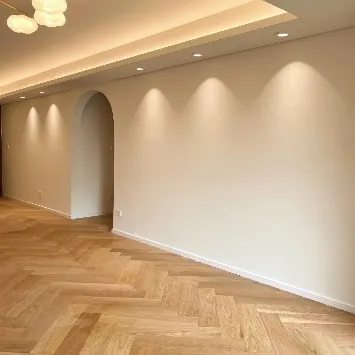
The science behind illumination and why cutting corners always dims your results
You flip a switch and expect light to flood the room. It's almost magical - but it's not. Behind that simple action lies an intricate world of engineering decisions that determine whether your lighting solution will last a year or a decade. Spotlights, whether in your living room or illuminating a retail space, depend entirely on one critical component: the LED chip.
The core insight: LED chips are to spotlights what engines are to cars. No matter how sleek the exterior or fancy the features, poor internals guarantee breakdowns.
In this deep dive, we'll unpack why settling for mediocre chips means constantly replacing fixtures, while investing in quality leads to hassle-free illumination that outlasts your interior design choices. From thermal dynamics to color consistency, we'll shine a light on what really matters.
Let's get one thing straight - not all LED chips are created equal. The difference between premium and bargain-bin options starts at the atomic level:
Joule heating: Did you know 70-80% of energy consumed by low-grade LEDs converts to heat, not light? This thermal runaway causes:
Premium chips like those used in commercial lighting applications utilize wider circuit paths and specialized substrates like aluminum nitride. This allows them to spread heat efficiently before it concentrates and fries components.
| Failure Factor | Budget Chip | Premium Chip |
|---|---|---|
| Operating Junction Temp | 130°C+ | 85°C or less |
| Degradation at 30,000 hrs | Over 35% lumens lost | Under 10% lumens lost |
| Color Consistency Shift | Visible to naked eye | Nearly undetectable |
While lumens ratings dominate marketing, true longevity reveals itself in subtler characteristics:
Photobiological Safety Metrics: Premium chips filter harmful blue spectrum peaks (around 450nm wavelengths) that accelerate retina damage and material degradation. Cheap LEDs blast unfiltered spectra at near-industrial intensity levels.
Moreover, quality manufacturers provide a binning report - essentially a DNA test showing where chips fall on chromaticity coordinates. This ensures consistent light color across fixtures over time. With cheap alternatives? Expect patchwork lighting reminiscent of disco floors.
Ever notice some spots turn purple? That's catastrophic gallium nitride failure due to poor epitaxial growth processes. Premium chips use multi-layer quantum well structures preventing these embarrassing mid-life failures.
Consider two scenarios for retail spotlights:
The premium solution saves you 300%+ in replacement costs, not to mention labor expenses changing hardwired fixtures. There's also brand protection - imagine high-end products appearing sickly under cheap LEDs versus vibrant under high-CRI chips.
Beyond cash savings, quality LED chips support sustainability goals. Fewer replacements mean:
Cut through marketing jargon with these critical specifications:
L70/L90 Ratings: The holy grail of longevity metrics. L70 = hours until output drops to 70% of initial brightness. Quality chips maintain L70 for 50,000+ hours (5+ years at 24/7 operation).
Thermal Resistance: Measured in °C/W (lower is better). Below 8°C/W indicates excellent heat dissipation design.
Color Rendering Index: 90+ CRI for galleries/museums, 80+ for general spaces. Below 80 makes everything look dull.
Always insist on IES or LM-80 test reports from manufacturers. These certified lab results reveal true performance beyond advertising claims.
In the spotlight world, longevity comes down to fundamental physics and material science. Every cent saved upfront on LED chips becomes dollars lost in replacements, energy waste, and frustrated users. Whether illuminating art or task areas, premium LED chips deliver:
Light shapes perception - don't let poor chips dim your space or drain your wallet. Invest in quality semiconductor engineering, and you'll literally see the difference for years to come.
Recommend Products












