The Unsung Hero of Modern Architecture: Why Wall Panels Matter More Than You Think
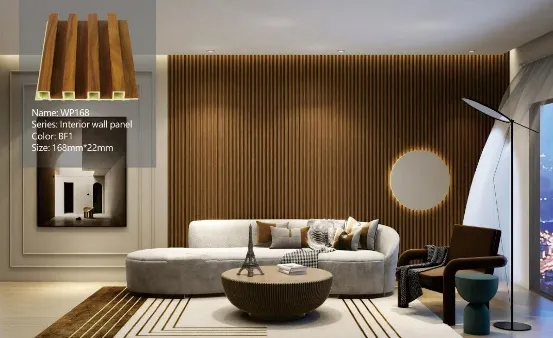
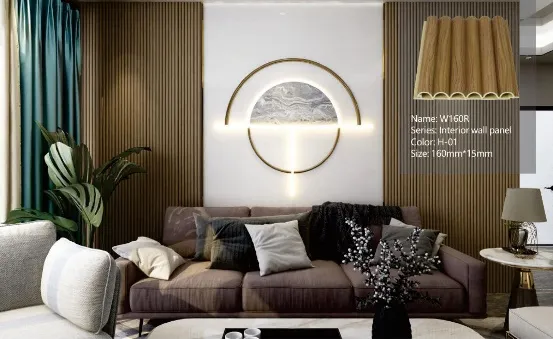
Wall panels are the quiet workhorses of any building. They don't just divide spaces or cover structural elements—they set the tone for a room's aesthetic, impact energy efficiency, and even influence how we feel in a space. Think about it: the warm wood-look panels in a cozy residential living room, the sleek, durable surfaces in a high-traffic commercial office, or the moisture-resistant panels in a hotel bathroom. Each application demands something different, and getting it right requires more than just a product—it requires understanding.
In recent years, WPC (Wood-Plastic Composite) wall panels have surged in popularity, and for good reason. Blending the natural look of wood with the durability of plastic, WPC panels resist rot, mold, and scratches, making them ideal for both indoor and outdoor use. They're also eco-friendly, often made from recycled materials, and easy to install, cutting down on labor costs. But here's the catch: not all WPC panels are created equal. A cheap, poorly manufactured WPC panel might warp in humidity, fade in sunlight, or fail to meet fire safety standards. That's where a supplier's experience becomes critical. They know which formulations work in the region's climate, how to test for long-term performance, and how to match the right panel to the right project.
For residential building materials suppliers and commercial building materials suppliers alike, the pressure is on to deliver products that balance beauty, functionality, and cost. Homeowners want panels that look great and last decades; contractors need materials that are consistent and easy to work with; architects demand solutions that align with their design vision without compromising on safety. It's a tall order, and one that only comes with time in the trenches.
Coloria: More Than a Supplier—A Partner with a Proven Track Record
Coloria isn't new to this game. Since 2008, they've been navigating the ups and downs of the building materials industry, from economic shifts to evolving customer demands. What started as a small operation focusing on basic wall panels has grown into a full-fledged
one-stop architectural solution provider, offering everything from
WPC wall panel solutions to flooring, ceiling, and even pipe fittings. But through it all, their core focus has remained the same: putting experience to work for their clients.
Walk into Coloria's headquarters, and you'll sense it immediately—the walls are lined with project photos, not just product catalogs. There's the 2015 renovation of a historic apartment building in the city center, where they replaced outdated drywall with WPC panels that mimicked the original woodwork but stood up to modern moisture levels. Then there's the 2020 commercial project for a tech startup, where the client wanted a "biophilic" office design; Coloria's team recommended bamboo charcoal board wall panels (a niche product they'd mastered over the years) to improve indoor air quality, paired with WPC panels for high-traffic areas. These aren't just sales pitches—they're stories of problem-solving, and they're everywhere.
So, what exactly does 15+ years of experience look like in practice? Let's break it down. For Coloria, it means having a team of experts who can walk into a project site and immediately spot potential issues. A new supplier might see a list of specs and ship the first WPC panel that matches, but Coloria's sales engineers ask questions: Is this for a coastal area with high salt exposure? Will the panels be in direct sunlight? Does the client have sustainability goals we can support? These questions come from years of seeing projects go wrong because small details were overlooked. It's the difference between selling a product and delivering a solution—and that's the heart of being a true
wpc wall panel supplier.
Experience Translates to Unmatched Product Quality
Let's talk about the panels themselves. WPC might seem straightforward—wood fibers mixed with plastic, right? But the science behind a high-quality WPC panel is surprisingly nuanced. The ratio of wood to plastic, the type of additives used (for UV resistance, fire retardancy, etc.), and the manufacturing process (extrusion vs. compression molding) all impact performance. Coloria didn't just stumble upon the perfect formula; they tested, failed, and refined it over years.
Early in their journey, for example, they faced a problem: their WPC panels were warping in the region's hot, humid summers. New suppliers might have blamed the climate and moved on, but Coloria's team dug deeper. They collaborated with material scientists to adjust the plastic-to-wood ratio, added a layer of fiberglass mesh for stability, and invested in better cooling systems during production. Today, their WPC panels come with a 10-year warranty against warping—a claim few competitors can make. That's the power of experience: turning challenges into opportunities to innovate.
Quality control is another area where experience shines. Coloria's factory in Riyadh has a dedicated testing lab where every batch of WPC panels undergoes rigorous checks: tensile strength tests, water absorption tests, impact resistance tests, and even accelerated aging tests (using specialized equipment to simulate 10 years of wear in weeks). New suppliers might skip these steps to cut costs, but Coloria knows that a single failed panel can cost a client thousands in repairs. For hospital and school projects, where safety is non-negotiable, they even go the extra mile to source Class A fireproof CPL inorganic boards, ensuring compliance with strict regional codes. It's not just about meeting standards—it's about exceeding them, because they've seen the consequences of cutting corners.
Customization: Tailoring Solutions for Every Project
One size fits all doesn't work in construction. A residential project might call for warm, wood-grain WPC panels to create a homey vibe, while a commercial mall needs bold, colorfast panels that can handle thousands of daily touches. As a
residential building materials supplier and
commercial building materials supplier, Coloria has learned to adapt without missing a beat.
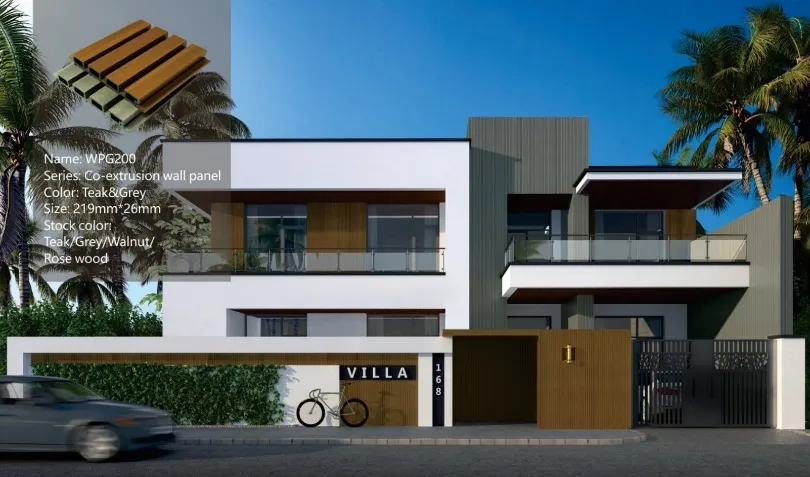
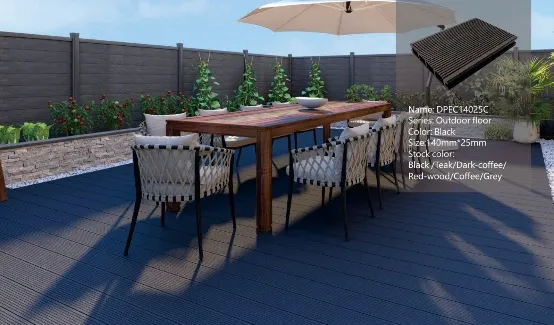
Take the case of Mr. Al-Mansoori, a homeowner in Jeddah who wanted to renovate his villa's outdoor patio. He loved the look of teak wood but was worried about maintenance in the coastal humidity. Coloria's team didn't just offer standard WPC panels—they customized a solution: a teak-look WPC panel with enhanced UV protection (to prevent fading in the Saudi sun) and a textured surface that mimicked the feel of real wood. They even provided samples in three different shades so he could see how they looked at different times of day. The result? A patio that's been weathering the elements for five years and still looks brand new.
For commercial clients, customization often involves larger scale and tighter deadlines. A recent project with a regional restaurant chain required over 5,000 square meters of WPC wall panels in a custom charcoal gray color, plus coordinating ceiling panels. The client needed the order delivered in 10 days to stay on schedule. New suppliers might have panicked, but Coloria's production team adjusted their workflow, prioritizing the order without disrupting other clients. How? Because they've managed hundreds of rush orders before and built flexible manufacturing processes to handle them. It's not magic—it's experience.
The One-Stop Advantage: Beyond WPC Panels
While WPC wall panels are Coloria's specialty, their experience as a
one-stop architectural solution provider sets them apart. Imagine you're a contractor working on a mixed-use development: you need wall panels, flooring, ceiling solutions, and even pipe fittings. Coordinating with multiple suppliers is a logistical nightmare—delays from one can derail the entire project. Coloria simplifies this by offering a full suite of products, all backed by the same commitment to quality.
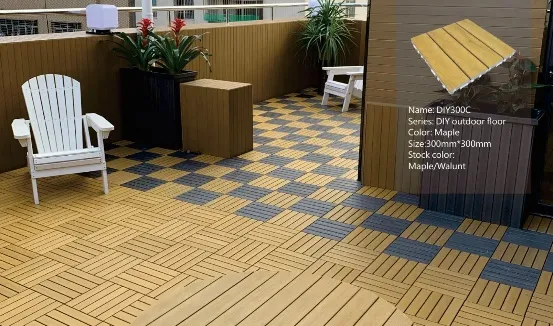
For example, a hotel renovation project in Dammam needed WPC wall panels for guest rooms, porcelain slab tiles for the lobby walls, and WPC flooring for the corridors. Instead of juggling three suppliers, the contractor worked with Coloria for all three. Not only did this streamline communication, but Coloria's team also ensured the products were color-coordinated and compatible (e.g., the WPC flooring and wall panels had matching warranties and care instructions). It's the kind of convenience that saves time, reduces stress, and minimizes errors—all because Coloria has experience across multiple product lines, not just WPC.
This breadth of experience also means Coloria can anticipate client needs. A new
wpc wall panel supplier might only think about the panels themselves, but Coloria's team often suggests complementary products. For instance, when a school was installing WPC panels in their gymnasium, Coloria recommended Class A fireproof CPL inorganic boards for the adjacent classrooms, knowing schools have strict fire safety requirements. It's this holistic approach that turns first-time clients into long-term partners.
How Coloria Stacks Up: Experience vs. the Competition
To truly understand the value of Coloria's experience, it helps to see how they compare to other players in the market. Below is a breakdown of key factors that matter most to clients, from years in the industry to customer support.
|
Aspect
|
Coloria (WPC Wall Panel Supplier)
|
Average Regional Supplier
|
New Entrants (Less Than 3 Years)
|
|
Years in Industry
|
15+ years
|
5–8 years
|
Less than 3 years
|
|
Product Range
|
WPC panels, bamboo charcoal boards, porcelain slabs, flooring, ceiling, pipes (one-stop solutions)
|
Limited to 2–3 product categories (e.g., WPC + basic flooring)
|
Focused on 1–2 trending products (often WPC only)
|
|
Customization Capabilities
|
Full customization (colors, textures, sizes, additives for climate)
|
Basic customization (standard colors/sizes only)
|
Minimal to no customization (off-the-shelf only)
|
|
Quality Control
|
In-house lab testing for durability, fire safety, and climate resistance
|
Third-party testing (inconsistent frequency)
|
Supplier-provided certifications (no independent testing)
|
|
Client Support
|
Dedicated project managers, on-site inspections, post-installation follow-up
|
Basic sales support, limited post-purchase assistance
|
Reactive support (only when issues arise)
|
|
Regional Expertise
|
Deep knowledge of local climate, building codes, and client preferences
|
General regional knowledge, limited code expertise
|
Little to no regional experience (relying on generic solutions)
|
The table tells a clear story: experience isn't just about time—it's about how that time is used. Coloria didn't just accumulate years; they invested them in building a team, processes, and products that address the unique needs of the region. For clients, this translates to fewer headaches, better results, and a supplier who feels like a partner, not just a vendor.
Real Clients, Real Results: Why Experience Wins
"We've worked with three different WPC wall panel suppliers over the years, and Coloria is in a league of their own. On our last residential project, we had a tight deadline and a tricky design—curved walls that required custom-cut panels. Most suppliers said it was too complicated, but Coloria's team came to the site, took measurements, and delivered panels that fit perfectly. They even sent a technician to help with installation. You can't put a price on that kind of reliability."
— Ahmed Hassan, Owner, Hassan Construction (Residential Contractor)
"As an architect, I need suppliers who understand design intent. Coloria doesn't just sell materials—they collaborate. For a commercial office project, we wanted a modern, industrial look with sustainable materials. They suggested combining their WPC wall panels with terrazzo tiles, and the result was stunning. What impressed me most was their knowledge of local fire codes—they ensured the panels met Class A standards without compromising the aesthetic. That's the difference experience makes."
— Lina Al-Sayed, Principal Architect, Al-Sayed Design Studio
These testimonials aren't outliers—they're typical of Coloria's client relationships. When you've been in the industry as long as they have, you learn that trust is earned through consistency. A new supplier might deliver one great order, but Coloria delivers great orders, project after project, year after year. That's because they've learned from every mistake, celebrated every success, and used those lessons to get better.
The Bottom Line: Experience Isn't Optional—It's Essential
In a market flooded with new suppliers promising "the best WPC panels at the lowest price," it's easy to overlook experience. But here's the truth: building materials are an investment, not an expense. A cheap panel that fails in five years costs more than a quality panel that lasts 20. And a supplier who disappears when you need support is worse than no supplier at all.
Coloria's journey from a small distributor to the region's top
wpc wall panel supplier isn't just about growth—it's about dedication to the craft. It's about showing up for clients, even when projects get tough. It's about refusing to cut corners, even when competitors do. And it's about using every year of experience to make the next project better than the last.
So, why does experience make Coloria the best
WPC wall panel supplier in the region? Because experience means they don't just sell you a panel—they give you peace of mind. They know your project's success is their success, and they've spent 15 years proving they can deliver. For homeowners, contractors, and architects who want more than a product—who want a partner—Coloria isn't just the best choice. They're the only choice that makes sense.













