
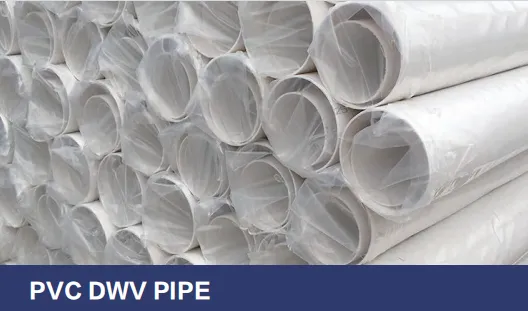
Let's start with something we all take for granted: the plumbing system in our homes, offices, and buildings. Behind the walls, under the floors, and in the crawl spaces, there's a network of pipes working silently to carry away waste, drain water, and keep our spaces clean and hygienic. Among these, PVC DWV pipes play a starring role. DWV stands for Drain, Waste, and Vent—these pipes are the unsung heroes that handle everything from shower runoff to kitchen sink drainage, while also ensuring proper ventilation to prevent unpleasant odors from seeping back into our living areas.
But here's the thing: even the most reliable systems can fail. And when PVC DWV pipes fail? It's rarely a small problem. Think leaks that damage walls and floors, clogs that back up sinks and tubs, or worse—sewage backups that turn a regular day into a homeowner's worst nightmare. The question is, why do these pipes fail in the first place? And more importantly, what can we do to prevent it? Let's dive in and uncover the common causes, real-world scenarios, and practical solutions that can save you from costly repairs and headaches down the line.
Before we get into the "why" of failures, let's make sure we're all on the same page about what these pipes are. PVC, or polyvinyl chloride, is a type of plastic known for its durability, affordability, and resistance to corrosion—qualities that make it a top choice for plumbing. DWV pipes, specifically, are designed for non-pressurized applications, meaning they don't carry water under high pressure like the pipes that bring fresh water into your home. Instead, they rely on gravity to move waste and water through the system, with vents to equalize pressure and keep things flowing smoothly.
If you've ever walked through a hardware store, you've probably seen these pipes: white or gray, rigid, with smooth interiors to reduce clogs. They're popular with contractors and homeowners alike because they're lightweight, easy to cut and install, and hold up well against most household chemicals. But here's the catch: "durable" doesn't mean "indestructible." Even the best PVC DWV pipes can fail if they're not treated right—and that's where the trouble starts.
Let's break down the most frequent culprits behind PVC DWV pipe failures. Some are avoidable with careful planning, others are sneakier, but all have one thing in common: they can turn a reliable plumbing system into a maintenance nightmare.
If there's one reason PVC DWV pipes fail more than any other, it's improper installation. Think about it: even the highest-quality pipe (we'll talk about that later) is only as good as the person putting it in. Let's say a contractor rushes through the job, skimps on steps, or cuts corners—those mistakes can come back to haunt you months or even years later.
Take slope, for example. DWV pipes need a specific slope to ensure gravity does its job. For most drains, that's a minimum of 1/4 inch of slope per foot of pipe. If the slope is too shallow, water and waste move too slowly, leading to clogs as debris builds up. If it's too steep, water races through, leaving solids behind—again, clogs. Either way, you're looking at backups.
Then there are the connections. PVC pipes are joined using solvent cement (that "glue" you see plumbers applying), which melts the plastic surfaces slightly so they fuse together. But if the installer doesn't clean the pipes properly before gluing, or applies too little (or too much) cement, the joint might not seal. Over time, that tiny gap can widen, leading to leaks. Loose fittings are another issue—if a coupling or elbow isn't secured tightly, vibrations from the house or even just the flow of water can loosen it further, creating a leak point.
Real-World Example: A homeowner in Texas once told me about a leak in their bathroom ceiling that took months to trace. It turned out the DWV pipe from their upstairs shower had been installed with a slope of only 1/8 inch per foot instead of the required 1/4 inch. Over time, hair and soap scum built up in the slow-moving pipe, causing a clog. The water backed up, seeped through a loose joint, and dripped down into the ceiling below. By the time they found it, there was mold growing behind the drywall—and a $3,000 repair bill.
PVC is resistant to many household chemicals, but that doesn't mean it's invincible. Harsh drain cleaners, solvents, or even some commercial cleaning products can slowly degrade the plastic over time. Let's say you've got a stubborn clog, so you pour a bottle of sulfuric acid-based drain opener down the sink. It works for the clog, but if it sits in the pipe too long, or if you use it frequently, the acid can eat away at the PVC, weakening the walls until they crack.
The same goes for industrial settings. In commercial kitchens, restaurants, or labs, pipes might be exposed to oils, greases, or chemicals that PVC isn't designed to handle. Even something as seemingly harmless as cooking oil can be a problem: when it cools, it solidifies inside the pipe, and over time, that buildup can put pressure on the pipe walls, leading to cracks or leaks.
PVC is rigid, which is great for structural support, but it's not flexible. That means it doesn't handle impact well. Imagine a homeowner finishing their basement and accidentally drilling into a DWV pipe hidden behind the drywall. Or a contractor stacking heavy tools on top of pipes in a crawl space. Even a small dent or crack can weaken the pipe, and over time, that weakness turns into a full-blown leak.
Tree roots are another physical threat—especially for underground DWV pipes. Roots are drawn to moisture, and if there's even a tiny gap in a pipe joint, they'll grow into it, seeking water and nutrients. As the roots expand, they can crack the pipe, block the flow, or even break it apart entirely. If you've ever dealt with a root intrusion, you know it's not just a quick fix—it often requires digging up the pipe and replacing sections.
PVC might handle room temperatures like a champ, but extreme heat or cold can throw it for a loop. Let's start with the cold: if water freezes inside a DWV pipe (yes, it happens—even in non-pressurized pipes), it expands, putting pressure on the pipe walls. PVC becomes brittle in freezing temperatures, so that pressure can lead to cracks. Once the ice thaws, you've got a leak.
On the flip side, extreme heat can soften PVC. If a DWV pipe is installed too close to a heat source—like a furnace, water heater, or even a recessed light—it can warp or melt. Imagine a pipe running through an attic in Arizona, where summer temperatures can hit 140°F. Over time, that heat can weaken the plastic, making it more prone to cracks or collapses.
Not all PVC DWV pipes are created equal. Some manufacturers cut corners to save money—using lower-quality plastic, inconsistent thickness, or skipping quality control checks. Pipes like these might look fine at first, but they lack the strength to handle daily use. Over time, thin walls can crack under pressure, and impurities in the plastic can make the pipe more susceptible to chemical damage or brittleness.
This is where choosing the right pvc dwv pipe supplier becomes critical. A reputable supplier sources pipes that meet industry standards (like ASTM D2665, the standard for PVC DWV pipes), with consistent thickness, smooth interiors, and durable formulations. But if you go with a no-name brand or a supplier that prioritizes cost over quality? You might be setting yourself up for failure before the pipe even leaves the warehouse.
Now that we know why these pipes fail, let's talk about how to stop it from happening. The good news? Most failures are preventable with a little planning, the right materials, and some common sense. Let's break down the solutions.
We touched on this earlier, but it's worth repeating: the first step to preventing failure is starting with quality materials. That means partnering with a pvc dwv pipe supplier who knows their stuff—one that can provide certifications, test reports, and answers to your questions about the pipes they sell. A good supplier doesn't just hand you a pipe and send you on your way; they offer pvc dwv pipe solutions tailored to your project, whether it's a small home renovation or a large commercial build.
What should you look for in a supplier? Start by checking if their pipes meet industry standards—ASTM D2665 is a must for DWV applications. Ask about their quality control process: do they test pipes for thickness, impact resistance, and chemical compatibility? A reliable supplier will also work with pipes fittings supplier partners to ensure you get compatible fittings, adhesives, and accessories—because even the best pipe won't seal properly with a cheap, ill-fitting coupling.
Pro Tip: Don't be afraid to ask for references. A supplier who's proud of their products will happily connect you with contractors or builders who've used their pipes. If they hesitate, that's a red flag.
You wouldn't hire an amateur to build your house—so why trust one with your plumbing? Proper installation is non-negotiable, and that means hiring a licensed, experienced plumber who specializes in DWV systems. Look for someone who takes the time to plan the layout, double-checks slopes, and follows best practices for cutting, cleaning, and gluing pipes.
Here's what a pro will do that an amateur might skip: they'll measure the slope with a level, not just "eyeball" it. They'll clean pipe ends thoroughly with a primer before applying solvent cement, ensuring a tight seal. They'll let the cement cure for the recommended time (usually 24 hours) before testing the system. They'll also use the right fittings for the job—for example, using vented tees instead of regular tees to prevent pressure buildup.
If you're a DIYer, proceed with caution. Small projects like replacing a short section of pipe might be manageable, but for larger jobs, it's worth the cost to hire a pro. Remember: a few hundred dollars upfront for proper installation can save you thousands in repairs later.
Even the best-installed, highest-quality pipes need a little TLC. Regular maintenance can catch small issues before they become big failures. Here's what that looks like:
Extreme temperatures and physical damage are avoidable with a little protection. For cold climates, insulate exposed DWV pipes in attics, crawl spaces, or garages to prevent freezing. Use pipe sleeves or heat tape if needed. For hot climates, keep pipes away from direct sunlight or heat sources—install heat shields if they're near furnaces or water heaters.
To prevent physical damage, mark pipe locations before drilling or nailing into walls. If you're doing construction near pipes, cover them with padding or plywood to shield them from tools or heavy objects. And if you have trees near your home, consider root barriers to keep roots from invading underground pipes.
Even with the best care, PVC DWV pipes don't last forever. Most have a lifespan of 25-40 years, depending on usage and conditions. If your home or building is older, or if you've had repeated issues with leaks or clogs, it might be time to consider replacing sections (or all) of your DWV system. Newer pvc dwv pipe solutions often come with improved durability and design features that can prevent future problems—think thicker walls, smoother interiors, or better chemical resistance.
| Cause of Failure | Key Warning Signs | Prevention & Solution |
|---|---|---|
| Improper Installation | Slow drains, gurgling sounds, leaks at joints | Hire a licensed plumber; ensure proper slope (1/4 inch per foot); use quality adhesives |
| Chemical Exposure | Discolored pipes, cracks, leaks near drain openings | Avoid harsh drain cleaners; use enzyme-based cleaners instead; flush with water after use |
| Physical Damage | Dents, cracks, or visible impact marks; sudden leaks | Mark pipe locations; protect pipes during construction; use root barriers for trees |
| Temperature Extremes | Brittle pipes (cold) or warped pipes (heat); cracks after freezing | Insulate pipes in cold areas; shield from heat sources; avoid direct sunlight |
| Poor Material Quality | Thin walls, inconsistent color, early brittleness | Choose a reputable pvc dwv pipe supplier; verify ASTM D2665 compliance |
At the end of the day, PVC DWV pipes are the backbone of your plumbing system—and like any backbone, they need to be strong, well-supported, and cared for. Failures aren't just inconvenient; they're costly, messy, and avoidable. By choosing the right pvc dwv pipe supplier , investing in proper installation, and keeping up with maintenance, you can ensure your pipes do their job quietly and reliably for decades.
So the next time you're planning a renovation, building a new home, or even just dealing with a minor plumbing issue, remember: the health of your DWV system starts with you. Ask questions, demand quality, and don't cut corners. Your future self (and your wallet) will thank you.
Recommend Products












