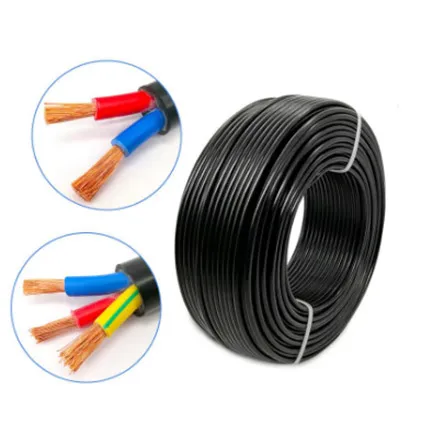
The Great Cable Mystery
Ever stood in the electronics aisle, staring at a wall of cables that look nearly identical, yet range from £2 to £50? You're not alone. That USB-C cable might seem straightforward – it's just some wires in plastic, right? But beneath the surface, there's a complex world of engineering, materials science, and market forces that explain why cable prices vary so dramatically.
"We've all bought that £1 charging cable that died in a week. But do you know why the £20 version lasts years? It's not just markup – it's survival economics."
Cables are the unsung heroes of our digital lives. They power our devices, connect our worlds, and when they fail at crucial moments, we realize how much we depend on these humble connectors. The price differences reflect more than just branding – they represent varying approaches to durability, safety, and performance that become critical when you're transferring data or powering expensive equipment.
[Visual: Side-by-side comparison of cheap vs premium cable internals]
Raw Materials: Copper vs Gold vs Hopes & Dreams
Let's start with the core – literally. The conducting materials make the first major price difference:
Copper Content: Premium cables use oxygen-free copper (OFC) with thicker gauges. That £1 bargain? Often copper-clad aluminum that performs poorly under load, like trying to drink a milkshake through a coffee stirrer.
Gold Plating: Not just bling. Gold resists corrosion that causes connection failures. Audio and data cables often use thicker gold plating that adds £5-£15 to manufacturing costs.
Insulation: Cheap PVC cracks over time. Premium jackets use TPE or braided nylon that withstands bending – measured in "flex life cycles." Your phone cable might endure 10,000 bends before failure, while premium versions handle 25,000+.
Fun fact: There's enough copper in premium cables to make recycling them profitable. Those old cables in your drawer? They're literally money sitting in plastic.
The electrical equipment industry heavily influences material costs too. Industrial-grade cables designed for machinery or outdoor use require specialized materials that trickle down to consumer products.
Certifications: The Hidden Price Driver
Ever wonder why Apple-certified cables cost more? Certification isn't just a sticker – it's an expensive insurance policy:
- USB-IF Certification: Requires rigorous testing costing £5,000-£25,000 per design
- Safety Standards: UL/CE certification adds 15-30% to manufacturing costs but prevents your cable from becoming a fire hazard
- Data Transfer: Certified USB 3.2 cables guarantee 20Gbps speeds – uncertified versions might claim it but fail under real-world use
One engineer at a cable manufacturer confessed: "The difference between a £5 and £25 HDMI cable? The expensive one actually delivers the 4K/120Hz it promises. The cheap version? Maybe 1080p if you're lucky."
[Visual: Infographic showing certification cost breakdown]
The Durability Equation
Why do cheap cables always fail at the ends? It's all about strain relief:
The 90% Failure Zone: Most cables die within 2cm of the connector. Premium versions use molded joints, spring-loaded stress relief, or braided reinforcement – features that double production costs but extend lifespan 5x.
Environmental Testing: Industrial cables undergo extreme tests: -40°C to 85°C temperature cycles, salt spray, UV exposure. Consumer versions inheriting this tech cost more but survive real-world abuse.
Cable life hack: Those springy "fabric" cable organizers? They actually reduce lifespan by creating bend points. Premium cables distribute stress better.
When choosing control cables for professional equipment, this durability becomes non-negotiable. A failed cable during a live event could cost thousands in downtime.
Specialized Tech: More Than Meets the Eye
Not all cables are created equal. Specialized functions command premium prices:
Data Cables: HDMI 2.1 requires precise impedance control. Cheap versions suffer from "packet loss" causing screen flickering – expensive cables use better dielectrics to prevent it.
Audio: Oxygen-free copper matters for analog signals where resistance causes distortion. Audiophiles pay £50+ for cables that preserve subtle harmonics.
Charging Speed: USB-PD cables with emarked chips negotiate safe fast-charging. Counterfeits often lack this, potentially damaging devices.
[Visual: Comparison chart of cable types and price ranges]
Ironically, sometimes spending less costs more long-term. As one IT manager noted: "We bought cheap cables for the office. After replacing 30% yearly from failures, we switched to premium. Saved 40% in three years."
The Psychology of Pricing
Why do some cables cost £100 when £20 versions perform similarly? Welcome to cable marketing:
The Luxury Trap: Some high-end cables use identical internals but add weighty connectors for "premium feel." The psychological impact? Users treat them better, extending lifespan.
Gaming Tax: "Gaming" cables often command 30% premiums for RGB lighting or aggressive styling – rarely improving actual performance.
Apple Effect: MFi certification adds £2-3 per cable but enables 30% price premiums. The psychology? "Apple-approved" equals "won't break my £1,000 phone."
A cable company CEO admitted: "Our £15 and £30 cables cost £4.50 and £5.80 to make respectively. The difference is warranty claims – cheap cables break 10x more often."
Future-Proofing: Cables in the Wireless Age
With wireless charging improving, are cables becoming obsolete? Not likely – here's why:
Speed Gap: Wired connections still outpace wireless by 5-10x. Professional environments need cables for reliability and throughput.
Energy Transfer: Delivering 240W safely over wireless remains challenging. High-power applications like laptops and machinery will need cables for years.
Hybrid Solutions: Future cables will likely incorporate wireless tech for alignment or pairing, justifying price premiums through enhanced functionality.
[Visual: Graph showing wired vs wireless speed projections]
As power delivery requirements grow with electric vehicles and renewable energy systems, the engineering behind even basic power cables continues evolving rapidly.