Walk through the bustling construction sites of Dubai, Riyadh, or Doha, and you'll notice a common thread weaving through the skyline: ambition. Skyscrapers reach for the clouds, luxury resorts redefine opulence, and commercial hubs blend cutting-edge design with cultural heritage. But behind every striking façade and every durable structure lies a critical decision for contractors: choosing the right building materials. In a region where temperatures soar above 50°C in summer, humidity lingers year-round, and clients demand both beauty and resilience, the stakes couldn't be higher. This is where Coloria, a trusted building material supplier with deep roots in the Middle East, has emerged as the go-to partner for contractors seeking reliable, innovative, and tailored solutions—especially when it comes to PU stone wall panels. Let's dive into why Coloria has become synonymous with excellence in pu stone wall panel solutions for both residential and commercial projects across the region.
The Middle East Construction Landscape: Challenges That Demand Innovation
Contractors in the Middle East don't just build structures—they build legacies. But legacy-building comes with unique hurdles. The region's climate is unforgiving: intense UV radiation fades materials, high humidity breeds mold, and sudden temperature fluctuations (from scorching days to cool nights) test the flexibility of even the sturdiest cladding. Add to that the pressure to meet tight deadlines, adhere to strict budget constraints, and satisfy clients who want their projects to stand out in a crowded market, and you have a recipe for complexity.
Traditional building materials often fall short here. Natural stone, for example, is heavy, requiring reinforced structural support that drives up costs. It's also porous, absorbing moisture and leading to cracks over time. Concrete cladding, while durable, lacks the aesthetic versatility clients crave, and installation is labor-intensive, eating into project timelines. For contractors, the search for a material that balances durability, beauty, and practicality has long been a challenge—until PU stone wall panels entered the scene.
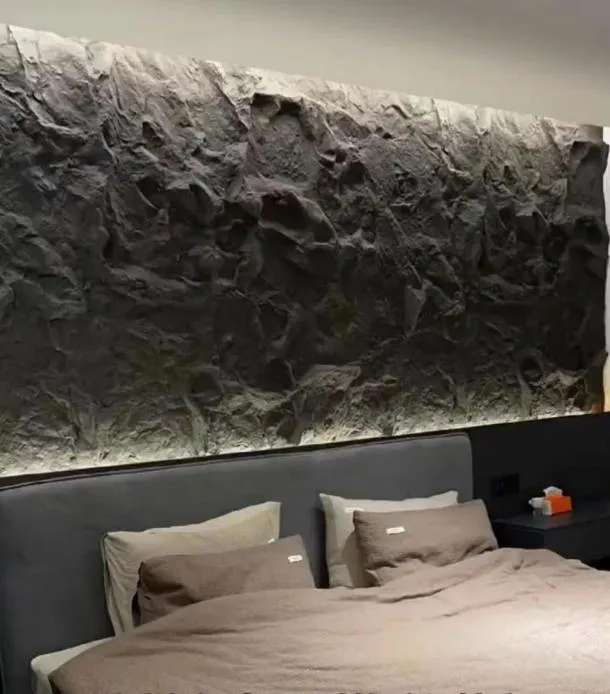
PU Stone Wall Panels: A Game-Changer for Modern Construction
What Are PU Stone Wall Panels?
Polyurethane (PU) stone wall panels are engineered to mimic the look and texture of natural stone—think granite, limestone, or travertine—without the drawbacks. Made from a lightweight, high-density polyurethane foam core reinforced with fiberglass, these panels are designed to be flexible, durable, and easy to install. They're resistant to water, UV rays, and temperature extremes, making them ideal for the Middle East's harsh conditions. But what truly sets them apart is their versatility: they can be curved, cut, or shaped to fit any architectural design, from sleek modern façades to intricate heritage-inspired details.
Why Contractors Are Making the Switch
For contractors, the benefits of PU stone wall panels are clear. Let's break them down:
-
Lightweight & Easy to Install:
Weighing up to 80% less than natural stone, PU panels reduce structural load and cut installation time by 30-40%. A team of two can install up to 200 square meters in a day—unheard of with traditional materials.
-
Durability That Stands the Test of Time:
Resistant to fading, cracking, and moisture, these panels maintain their appearance for decades. In a region where maintenance costs can spiral, this translates to long-term savings for clients.
-
Aesthetic Freedom:
With hundreds of colors, textures, and finishes available, contractors can match any design vision—whether it's a rustic villa in Jeddah or a futuristic office tower in Dubai.
-
Cost-Effective:
Lower transportation costs (thanks to reduced weight), faster installation, and minimal maintenance add up to significant savings over the project lifecycle.
|
Material
|
Weight (kg/m²)
|
Installation Time (per 100m²)
|
UV Resistance
|
Moisture Resistance
|
Cost (AED/m², Installed)
|
|
Natural Granite
|
45-60
|
3-4 days
|
Moderate (fades over 5-7 years)
|
Low (porous, requires sealing)
|
450-650
|
|
Concrete Cladding
|
30-40
|
2-3 days
|
High (but prone to staining)
|
Moderate (can crack with moisture expansion)
|
250-350
|
|
Coloria PU Stone Wall Panels
|
6-8
|
0.5-1 day
|
High (no fading for 15+ years)
|
High (waterproof, mold-resistant)
|
200-300
|
The data speaks for itself: PU stone wall panels outperform traditional materials in nearly every category that matters to contractors. But not all PU panels are created equal. This is where Coloria's expertise comes into play.
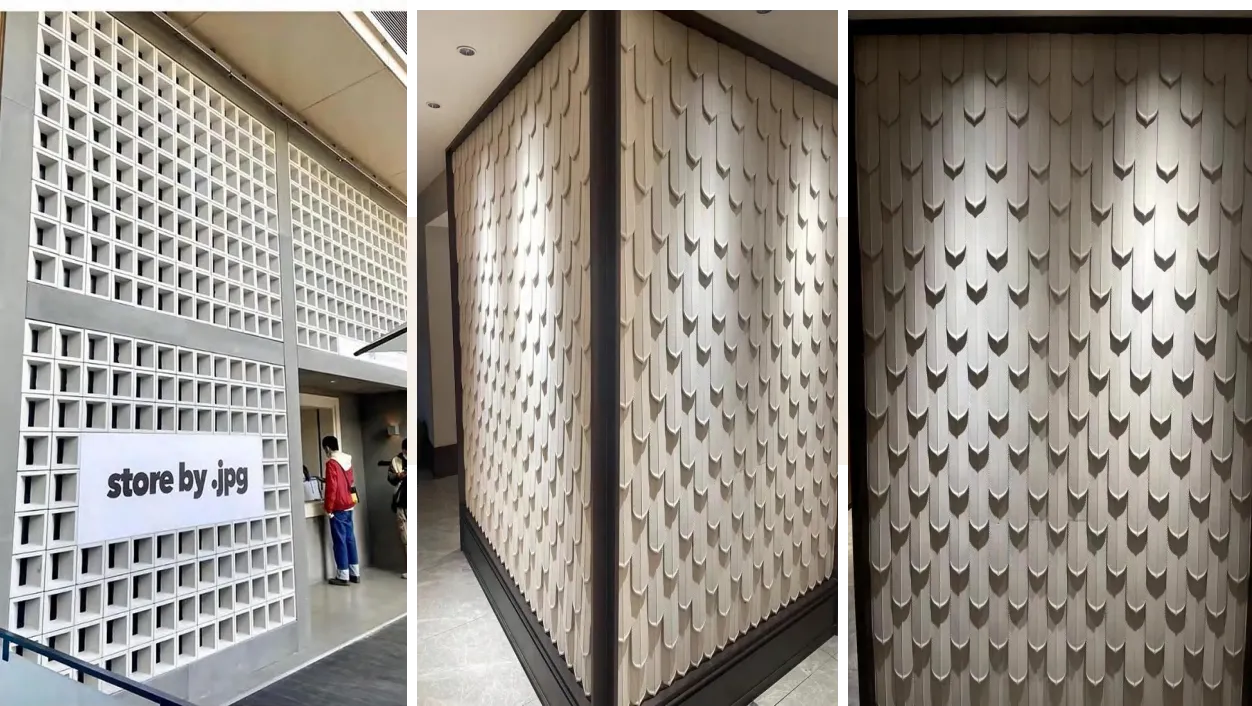
Coloria isn't just a supplier—it's a partner that understands the unique demands of Middle Eastern construction. For over a decade, the company has worked alongside contractors, architects, and developers to deliver solutions that don't just meet expectations but exceed them. Here's why contractors keep coming back:
1. Uncompromising Quality: Made for the Middle East, by the Middle East
Coloria doesn't import generic PU panels from overseas and hope they work in the region's climate. Instead, the company invests in local research and development, engineering panels specifically for the Middle East's extreme conditions. Each panel undergoes rigorous testing: exposure to 60°C heat for 1,000 hours, drenching in humidity chambers, and UV radiation tests that simulate 20 years of sun exposure. The result? Panels that don't warp, fade, or degrade—even in the harshest summers.
Take, for example, their signature "Desert Shield" PU formulation. Infused with heat-resistant additives and a UV-stabilized topcoat, these panels have been used on projects in Abu Dhabi, where summer temperatures regularly hit 52°C. Five years later, the façades still look as vibrant as the day they were installed. For contractors, this means fewer callbacks, happier clients, and a reputation for delivering lasting quality.
2. Customization That Turns Visions Into Reality
In a region where architectural competition is fierce, "one-size-fits-all" simply doesn't cut it. Clients want their buildings to tell a story—to reflect culture, innovation, or luxury. Coloria gets this. The company offers a bespoke design service, working closely with contractors and architects to create custom PU stone panels that match even the most unique specifications.
Whether it's replicating the texture of ancient Nabataean stone for a heritage hotel in Madinah or creating a sleek, metallic finish for a tech campus in Doha, Coloria's design team uses 3D modeling and advanced molding techniques to bring concepts to life. For contractors, this means they can promise clients exactly what they want—no compromises. As one contractor in Riyadh put it: "With Coloria, we don't have to say 'no' to bold ideas. They turn our clients' wildest dreams into something we can actually build."
3. A One-Stop Shop for Building Success
Contractors have enough on their plates without juggling multiple suppliers. Coloria simplifies the process by acting as a one-stop architectural solution provider, offering not just PU stone wall panels but a full range of complementary products. Need flooring solutions to match the façade? They've got it. Ceiling systems that align with the design aesthetic? Covered. Even specialized materials like class A fireproof CPL inorganic boards for hospitals or schools—Coloria has partnerships with trusted manufacturers to ensure consistency and quality across every aspect of the project.
This integrated approach saves contractors time and reduces the risk of delays. Instead of coordinating between five different suppliers, they can rely on Coloria to manage logistics, timelines, and quality control. It's a level of convenience that has made Coloria a favorite among busy project managers in the region.
4. Local Expertise, Global Standards
What sets Coloria apart from international suppliers is its deep understanding of the Middle East's unique construction landscape. The team includes engineers, architects, and project managers who have worked on iconic projects across the region—from the Burj Khalifa area developments to luxury resorts in the Maldives. They know the local regulations, the quirks of regional suppliers, and the best practices for installing materials in extreme heat.
This local knowledge translates to smoother projects. For example, when a contractor in Kuwait was struggling to source materials during Ramadan, Coloria's logistics team adjusted delivery schedules to align with local working hours, ensuring the project stayed on track. When a client in Oman needed panels certified for coastal areas (where saltwater corrosion is a risk), Coloria provided lab-tested reports and on-site inspections to guarantee compliance. For contractors, this level of support isn't just helpful—it's invaluable.
5. Sustainability That Matters
Sustainability is no longer a buzzword in the Middle East—it's a requirement. Governments across the region are implementing stricter green building codes, and clients are increasingly prioritizing eco-friendly materials. Coloria's PU stone wall panels are ahead of the curve here. Made with recycled materials and 100% recyclable themselves, they have a lower carbon footprint than traditional stone or concrete. Their lightweight nature also reduces transportation emissions, and their energy-efficient properties (they act as insulators, reducing HVAC costs) help projects earn LEED or Estidama certifications.
For contractors, this means they can market their projects as sustainable without sacrificing quality or aesthetics. It's a win-win that resonates with both clients and regulatory bodies.
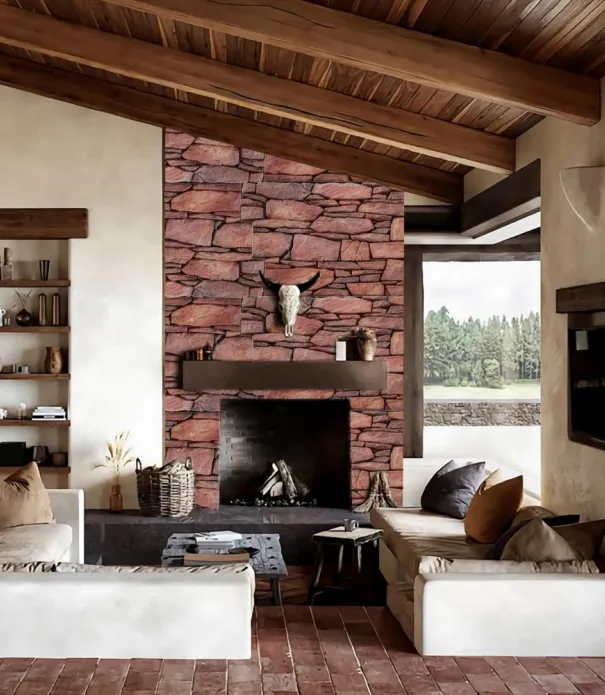
Real Stories: How Coloria's PU Stone Panels Transformed Middle Eastern Projects
Numbers and features tell part of the story, but it's the real-world impact that truly showcases Coloria's value. Let's look at two projects where contractors chose Coloria's PU stone wall panel solutions—and never looked back.
Case Study 1: Luxury Residential Complex, Abu Dhabi
When Al Hamra Properties set out to build a 20-story luxury residential complex in Abu Dhabi's Saadiyat Island, they had a vision: a Mediterranean-inspired design with stone façades that would stand out against the city's modern skyline. The challenge? Traditional stone would add 20% to the structural costs, and the tight 18-month deadline left no room for delays.
Enter Coloria. The contractor, Gulf Construction, recommended Coloria's PU stone wall panels after seeing their performance on a previous hotel project. Coloria's design team created custom panels that mimicked the look of Italian travertine, complete with subtle veining and a matte finish. Installation took just 6 weeks (compared to the projected 12 weeks for natural stone), and the panels weighed so little that the structural team was able to reduce the building's foundation costs by AED 1.2 million.
Today, the complex is a hit with residents, who praise the building's "timeless elegance" and cool interiors (thanks to the panels' insulating properties). For Gulf Construction, the project was a turning point: "We've used Coloria on every residential project since," says project manager Fatima Al-Mansoori. "The savings in time and money alone make it a no-brainer."
Case Study 2: Commercial Mall, Doha
The Mall of Qatar expansion needed a façade that would attract visitors while withstanding Doha's scorching summers and sandstorms. The client wanted a "desert-inspired" design with flowing curves and warm, earthy tones—something traditional cladding couldn't deliver without compromising durability.
Coloria stepped in with a solution: custom PU stone panels shaped to create the mall's signature curved façade. The panels were treated with a special anti-graffiti coating (a must for high-traffic areas) and tested to withstand sand abrasion at 70 km/h. Installation was completed in just 4 weeks, allowing the mall to open ahead of schedule for the busy shopping season.
Two years later, the façade remains spotless, with no signs of fading or damage—even after a record-breaking summer where temperatures hit 53°C. "We were skeptical at first," admits the mall's facilities manager, Ali Hassan. "But Coloria's panels have exceeded every expectation. We've had zero maintenance issues, and the design still turns heads."
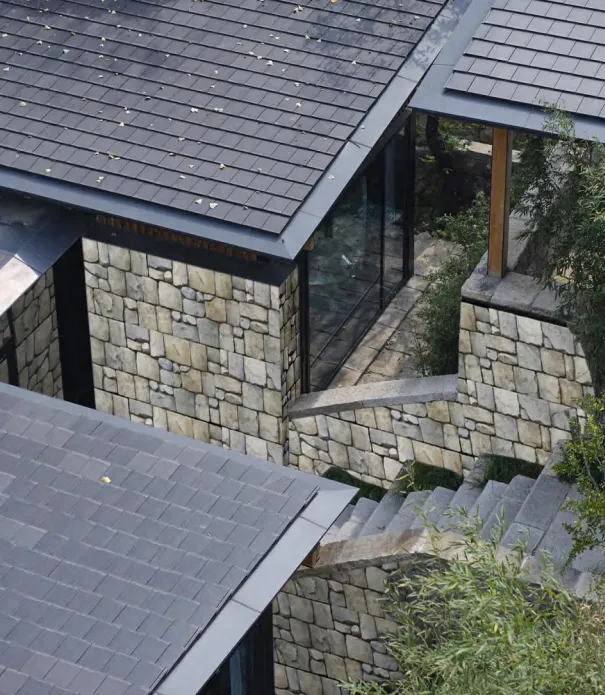
The Future of Construction in the Middle East: Why Coloria Will Lead the Way
As the Middle East continues to grow—with projects like NEOM, the Red Sea Project, and Dubai 2040—contractors will face even greater demands for innovation, sustainability, and efficiency. PU stone wall panels are poised to play a starring role in this future, and Coloria is already leading the charge.
The company is investing in research to develop even more advanced PU formulations, including panels integrated with solar cells for energy generation and self-cleaning coatings that repel dust and sand. They're also expanding their range of sustainable products, with plans to launch a line of carbon-negative wall panels by 2026.
For contractors, this means partnering with Coloria isn't just about solving today's problems—it's about future-proofing their businesses. In an industry where adaptability is key, having a supplier that's ahead of the curve is a competitive advantage.
Final Thoughts: More Than a Supplier—A Partner in Success
At the end of the day, contractors choose Coloria for the same reason clients choose their projects: trust. Trust that the materials will perform, trust that the team will deliver on time, and trust that the partnership will lead to success. In a region where every project is a statement, Coloria doesn't just provide pu stone wall panel solutions—they provide peace of mind.
So, the next time you walk past a stunning building in Dubai, Riyadh, or Doha, take a closer look. Chances are, those beautiful stone façades aren't stone at all—they're Coloria's PU panels, standing strong against the elements and telling a story of innovation, collaboration, and the power of choosing the right partner.
For contractors in the Middle East, the message is clear: when it comes to PU stone wall panel solutions, Coloria isn't just the best choice—it's the only choice.













