

Imagine walking past an office building where the walls don't just enclose space – they tell a story, save energy, and stand the test of time. That's the revolution Castle Rock Wall Panels are bringing to commercial construction.
Castle Rock Wall Panels represent a seismic shift in how we build commercial spaces. Combining cutting-edge materials with traditional craftsmanship, these panels solve age-old construction problems while opening doors to stunning new architectural possibilities.
Remember when commercial buildings were either beautiful but expensive to maintain, or affordable but painfully generic? Those days are ending. The construction industry's undergoing a quiet revolution, and at its heart are advanced wall panel systems like Castle Rock panels.
What makes this moment special isn't just the technology – it's the perfect storm of needs they solve: sustainability demands from regulators, budget pressures from developers, design ambitions from architects, and maintenance headaches from facility managers. For the first time, one solution addresses all these challenges without compromise.
I've walked countless job sites over my 20 years in construction, and I've never seen a material spark as much excitement as when builders first handle Castle Rock panels. Their eyes light up when they realize how much faster they'll complete projects without sacrificing quality.
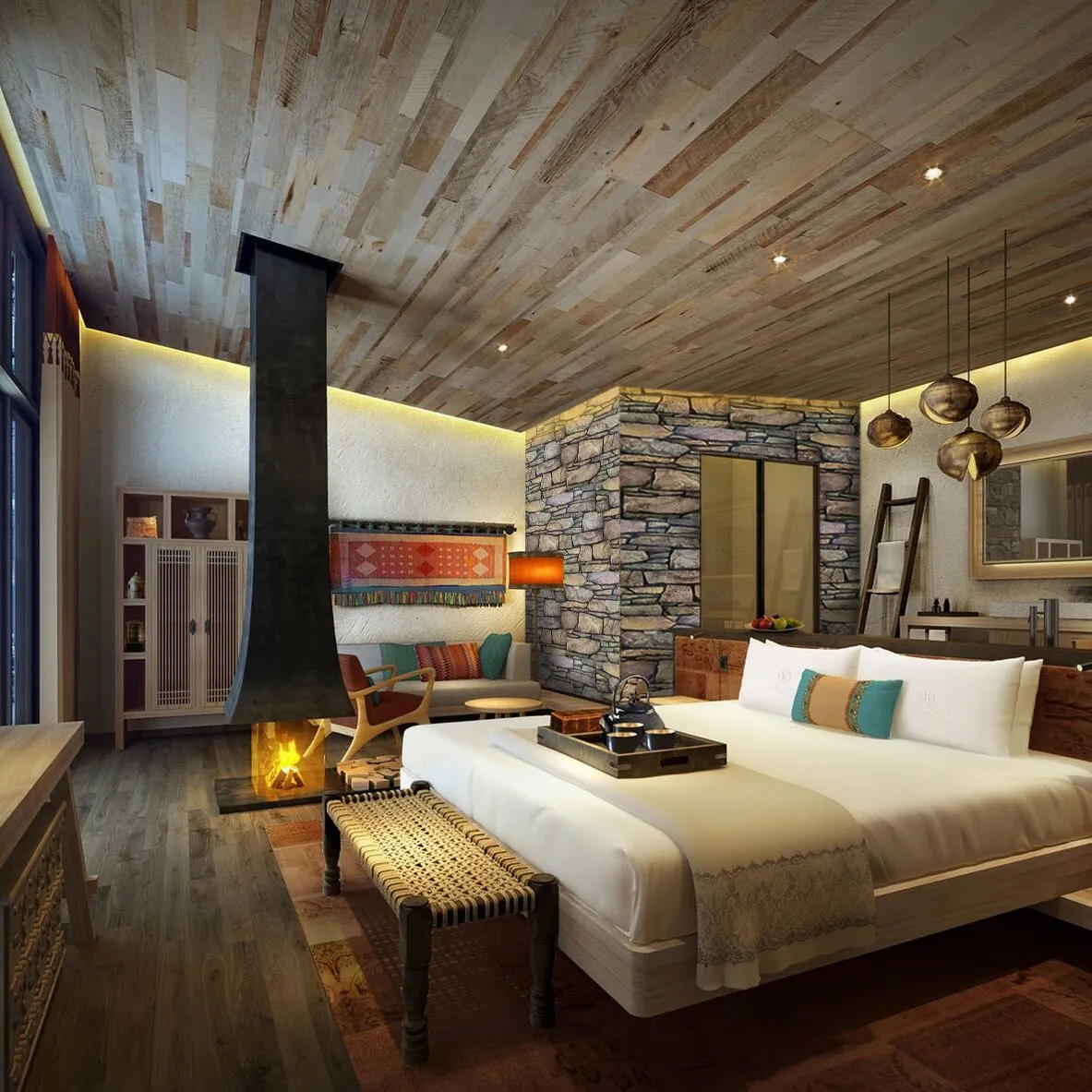
Castle Rock Wall Panels aren't just another cladding option. They're engineered systems that replace traditional multi-layer walls with a single integrated solution. Made from composite polymers and stone particles, they carry the weight of concrete's durability without its backbreaking mass.
At their core, these panels use a proprietary matrix that acts like shock absorbers in a luxury car. When temperature changes make most materials expand, contract, or crack, Castle Rock panels just... breathe. This isn't magic – it's material science solving real-world problems contractors face daily.
Unlike quarry-mined stone, Castle Rock panels begin life in precision-controlled factories. Think of it like baking the perfect soufflé – exact temperature, precise ingredient ratios, and strict timing. This manufacturing consistency means every panel matches perfectly, eliminating the "lottery" of natural stone where slabs from the same quarry can look dramatically different.
Here's where physics gets exciting. Traditional stone cladding weighs 50-80 lbs per square foot. Castle Rock panels? Just 3-5 lbs. This isn't just about easier installation – it changes structural engineering. Suddenly, buildings need lighter frames, less foundation, and smaller support systems. The domino effect of savings is astonishing.
Let's talk numbers: Traditional stone installation might cost $80-150/sq ft installed. Castle Rock panels typically run $35-60. But the real magic comes downstream – faster project completion means earlier lease income, lower financing costs, and buildings that generate revenue months sooner.
Here's a stat that makes developers smile: Castle Rock panels use 92% less energy to produce than quarried stone. Even better, their production incorporates recycled materials including industrial byproducts. As one architect told me: "It's guilt-free beauty – we get the prestige look without the environmental hangover."
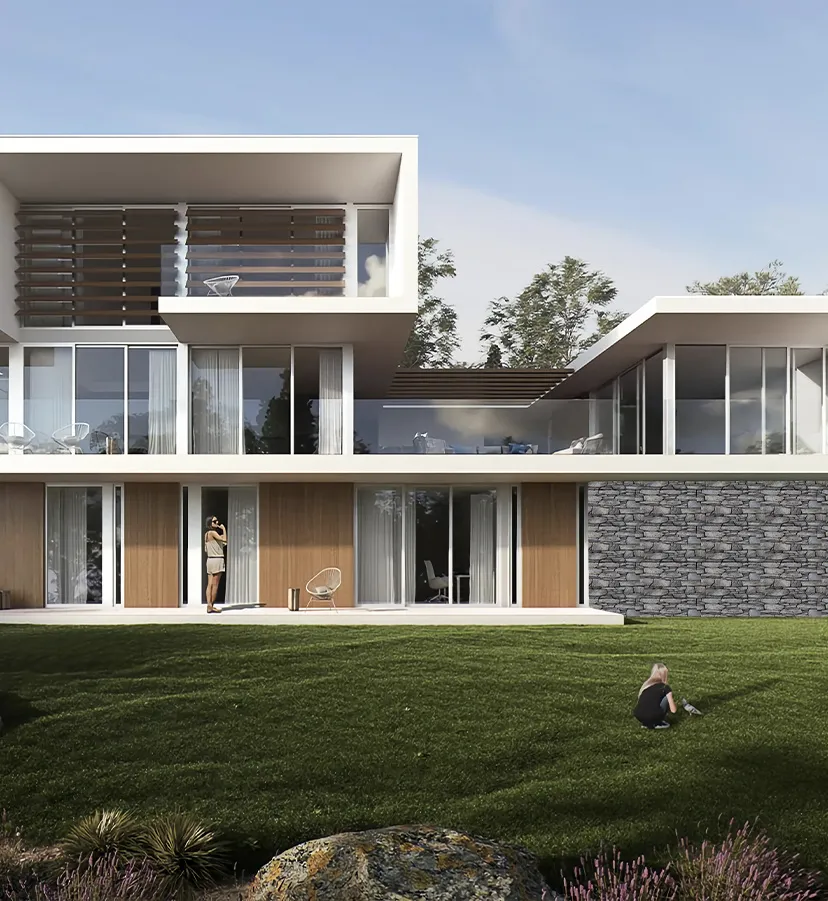
Let's move beyond theory and see where these panels truly shine in commercial settings:
The Grand Metro Hotel in Chicago was staring at a $2 million stone recladding quote for its 1980s facade. By switching to Castle Rock panels, they cut the cost to $750,000 and finished in half the time – with an unexpected bonus. The lighter panels allowed them to add a rooftop restaurant previously deemed structurally impossible.
Boutique stores face a dilemma: how to look distinctive on a chain-store budget? Enter Castle Rock panels. Fashion retailer "Elite Collections" used custom-colored panels to create a shimmering bronze facade that stops shoppers in their tracks. The kicker? Their entire exterior installation took just three days per location.
Tech startups aren't just changing how we work – they're changing where we work. When "Novo Innovations" built their Austin headquarters, they used Castle Rock panels to create movable walls – sections that can be reconfigured as teams grow. As their facilities manager joked: "We change our floor plan more often than we change our coffee beans."
| Feature | Castle Rock Panels | Traditional Stone | Precast Concrete | Metal Cladding |
|---|---|---|---|---|
| Installation Time | 50-70% faster | Standard | 20-30% faster | Comparable |
| Lifespan | 50+ years | 100+ years | 75+ years | 30-50 years |
| Weight | 3-5 lbs/sf | 50-80 lbs/sf | 40-60 lbs/sf | 2-4 lbs/sf |
| Thermal Insulation | Exceptional | Poor | Good | Poor |
| Custom Designs | Unlimited | Limited | Moderate | Good |
The innovation pipeline for these panels reads like science fiction becoming reality:
As the Director of Innovation at Forte Solutions told me: "We're not just making better walls – we're creating smart building skins that protect, produce, and communicate."
Based on dozens of successful implementations, here's how to maximize your Castle Rock panel project:
Involve panel specialists during schematic design, not construction documents. Their input could reduce your structural costs by 15-25% from the beginning.
Don't settle for stock designs. The manufacturer's design team can help create unique patterns, textures, and color blends that become your building's signature.
Redirect the savings from lighter foundations and faster timelines. One developer allocated their $850,000 saved structural costs to premium interior finishes that attracted higher-paying tenants.
Castle Rock Wall Panels aren't just another building material – they represent a fundamental shift in how we conceive commercial architecture. They solve the impossible equation: how to create distinctive, durable buildings faster and cheaper while meeting rising environmental standards.
As we move toward increasingly sustainable construction practices, these panels stand ready to transform not just individual buildings, but entire cityscapes. Their lightweight nature, cost efficiency, and design flexibility position them as the clear choice for forward-thinking developers, architects, and contractors alike.
The future of commercial construction isn't a vague promise – it's here, it's beautiful, and it's lighter than you think.
Recommend Products












