


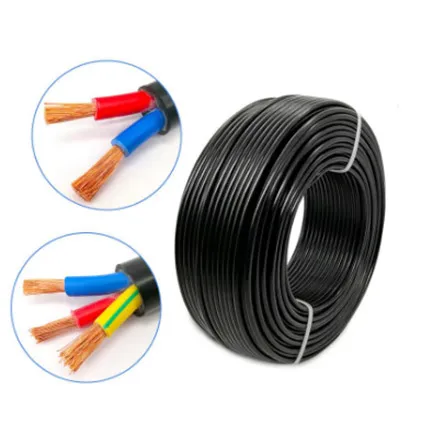
Over the past decade, cabling infrastructure has undergone a quiet revolution. What used to be simple copper wires delivering electricity has transformed into sophisticated systems managing everything from power distribution to data networks, security controls to climate automation.
Three fundamental shifts are driving this cabling renaissance that every building owner and facility manager should understand:
Where we used to have separate systems (power, data, HVAC, security), today's cabling consolidates these functions into unified platforms. This doesn't just save installation costs – it enables smart buildings to optimize themselves based on usage patterns.
PoE technology has fundamentally changed cable capabilities. Now a single Ethernet cable can simultaneously provide power to devices AND transmit data, eliminating the need for separate power sources for thousands of endpoints across modern buildings.
Ironically, the wireless revolution increased cable importance. Every wireless access point, sensor and IoT device requires cabling infrastructure to connect to networks and power sources, making robust cabling more essential than ever.
Intelligent cabling systems with integrated sensors become the brain of building efficiency. They track occupancy patterns and monitor environmental conditions in real-time to optimize:
- Lighting zones that dim when areas are unoccupied
- HVAC systems that adjust ventilation based on actual usage
- Power distribution that reduces consumption during off-peak hours
Case in point: Amsterdam's The Edge building reports 70% lower energy costs than comparable office buildings through this infrastructure intelligence.
Modular wiring systems represent a paradigm shift in building adaptability. Unlike traditional wiring that requires demolition for upgrades, modern infrastructure includes:
- Plug-and-play modular components
- Flexible raceway systems that simplify reconfiguration
- Ample capacity conduits anticipating future bandwidth needs
These designs slash renovation costs and downtime when adapting spaces for new technologies or layouts.
The most significant benefit of modern cabling may be its invisible impact on human experience through:
- Seamless connectivity enabling friction-free work environments
- Personalized climate and lighting control at individual workstations
- Responsive environments that adapt in real-time to occupant needs
Shanghai Tower uses this technology to create individually tailored microenvironments throughout its 121-story structure.
The innovation pipeline promises even more revolutionary developments:
Energy-harvesting cables are beginning to capture ambient energy from their surroundings:
- Thermal gradients generating electricity from HVAC system differences
- Piezoelectric materials that convert vibration energy from machinery
- Photovoltaic coatings that turn building lighting into power sources
Machine learning algorithms analyzing cable system data will:
- Predict maintenance needs before failures occur
- Dynamically adjust power distribution for optimal efficiency
- Identify usage patterns for even smarter building automation
Next-generation systems will transform buildings into renewable energy hubs:
- Cable-integrated solar collection systems across larger surface areas
- Building-to-grid interfaces managing renewable energy distribution
- Deep energy storage systems with cabling as the connective tissue
This evolution makes selecting the right **cable suppliers** crucial to ensure compatibility and performance.
Transitioning to modern cabling infrastructure requires strategic planning:
Start with pilot zones to test systems before full deployment. Prioritize high-ROI areas like conference centers and collaborative spaces where benefits yield immediate returns.
Assess existing systems for integration capabilities. Modern cabling can often interface with legacy equipment through appropriate adapters and interfaces.
When installing new systems, ensure specifications exceed current needs – over-provision bandwidth capacity and power-handling capabilities to accommodate tomorrow's innovations.
Forward-thinking companies realize modern cabling is far more than utility infrastructure – it's a strategic asset delivering measurable business advantages:
Buildings that embrace this infrastructure evolution will lead their industries through:
- 15-30% operating cost reductions in energy and maintenance
- 10-20% productivity boosts from optimized environments
- Future-ready spaces that attract top talent and premium tenants
- Substantial carbon footprint reduction meeting ESG goals
The evolution of cabling represents one of the most significant – yet underappreciated – transformations in commercial building technology. While the innovations happen inside walls and ceilings, their impacts resonate through every aspect of a building's performance, cost structure, and environmental footprint.
Perhaps the greatest testament to modern cabling systems is their invisibility. The most sophisticated infrastructure works so seamlessly that occupants experience perfectly lit, comfortably climate-controlled, instantly connected spaces without ever wondering about the complex systems enabling their environment. That's the real power of cables – the silent enabler of exceptional building experiences.
The future of commercial buildings isn't just powered by cables; it's shaped, optimized, and enhanced by them. Businesses that recognize this strategic infrastructure advantage position themselves to reap rewards for decades to come.










