
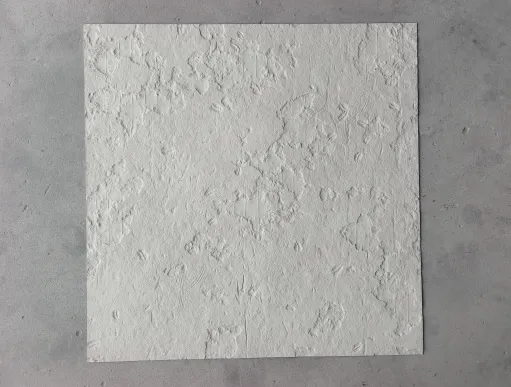
We're witnessing something remarkable in the world of commercial architecture. Forget sterile concrete boxes and generic office towers - there's a quiet revolution happening, and it's being led by an ancient material with a modern twist: Bali stone wall panels. It's not just about aesthetics (though wow, do they deliver there). This is about redefining what commercial spaces can be - places that don't just house workers, but inspire them; buildings that don't just stand on streetscapes, but elevate them.
Picture walking into a hotel lobby that doesn't feel like every other cookie-cutter chain you've visited. Imagine office spaces that spark creativity rather than suffocate it. That's the Bali stone difference. But here's what really makes architects and developers pay attention: it's not just beautiful, it makes business sense.
Think about it - what if the material covering your walls could actually pay for itself through energy savings? What if it required almost no upkeep yet looked better decades later? That's not fantasy - it's the reality of Bali stone wall panels, a solution that's reshaping commercial construction from boutique shops to corporate headquarters.
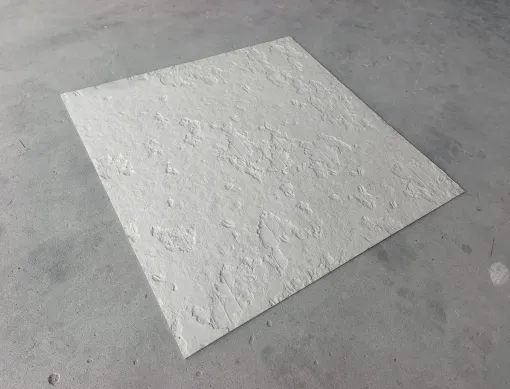
Okay, let's clear up some confusion. Bali stone panels aren't some flimsy imitation stone slapped onto boards. These are crafted from authentic volcanic limestone mined responsibly in Bali, Indonesia. Small pieces of natural stone are precisely arranged into larger panels - like an artisanal stone puzzle - creating breathtaking surfaces with zero structural compromise.
What you get is nature's artwork perfectly calibrated for modern applications. Unlike heavy traditional stone that needs special structural reinforcements, Bali stone panels give you the drama without the drama. They install smoothly on virtually any surface: drywall, concrete, brick - you name it. No heavy machinery needed, no months-long delays waiting for structural reinforcements.
The color variations alone tell a story. From warm honey tones that glow in lobby lighting to deep charcoal greys that give boardrooms serious gravitas, each panel is unique. The textures vary too - some polished to a sophisticated sheen, others left raw and tactile. This isn't mass production; it's nature-meets-engineering at its finest.
This isn't just pretty cladding - Bali stone panels are solving real problems for commercial developers and property managers. Here's why they're becoming non-negotiable for smart developments:
First impressions last. Bali stone creates spaces that say "high-end" without screaming "expensive renovation." It transforms sterile lobbies into welcoming sanctuaries. Turns monotonous offices into inspiring environments. Even utilitarian spaces like stairwells become experiences rather than afterthoughts. The texture catches light beautifully, adding dimension you simply can't get from paint or wallpaper.
Commercial buildings take beating - constant traffic, cleaning chemicals, weather exposure. Bali stone laughs it off. Volcanic stone panels handle heavy weather without cracking or fading. Indoor installations maintain their character for decades with zero yellowing or deterioration. Unlike trendy materials that date quickly, stone ages gracefully. Your building looks premium now and still will 20 years later.
Forget costly restoration projects. Spill coffee? Wipe it off. Dust buildup? Gentle wipe-down. No special sealants needed every few years. The stone is naturally stain-resistant. For property managers, this means massive savings in maintenance contracts. No expensive specialists needed - basic cleaning staff handle it effortlessly.
One major hotel chain reported 65% lower annual facade maintenance costs after switching to Bali stone cladding compared to their previous paint-and-repair system. The numbers get attention in boardrooms.
Beyond its obvious natural credentials, Bali stone scores sustainability points throughout its lifecycle. Quarries practice responsible sourcing. The panels often incorporate recycled stone fragments. Installation requires far less energy than conventional stone work. Thermal properties naturally regulate interior temperatures too - meaning smaller HVAC systems and lower operating costs for your building.
Initial sticker prices might cause pause, but the long-term math is compelling. Lower maintenance? Check. Reduced energy bills? Check. Higher property values and rental premiums? Double check. Developers see properties with distinctive stone facades lease faster at premium rates. Hotel guests pay more for rooms with authentic design elements. The premium pays for itself.
Time eats profits in construction. Bali stone panels install significantly faster than conventional stone masonry. Lightweight nature means no heavy cranes. Pre-fabricated panels click into place - reducing labor costs and project timelines. Several developers have shaved weeks off schedules by choosing this wall cladding system over alternatives.
From exterior facades to accent walls to complete interior transformations - these panels adapt. Modern corporate? Pair honed panels with crisp metals. Rustic cafe? Use textured stone behind bars. Luxury retail? Create dramatic changing room walls. The same core material tells vastly different stories.
Guest experiences start at first impressions. Bali stone creates breathtaking lobbies, distinctive check-in desks, accent walls that photograph beautifully for Instagram. Spa areas become tranquil with natural textures. Restaurant feature walls transition from breakfast light to moody dinner atmosphere effortlessly.
Imagine reception areas that silence phone conversations because they command quiet appreciation. Think feature walls in conference rooms that subtly communicate stability and reliability. Even back-office areas become spaces where employees feel valued rather than merely housed.
Forget flat storefronts. Bali stone creates visual magnetism that draws foot traffic. Inside, textured walls provide perfect backdrops to highlight products. Luxury brands leverage the material to signal exclusivity without saying a word.
Institutions using Bali stone blend civic gravitas with warmth. Libraries feel simultaneously monumental and welcoming. Government buildings convey heritage with a contemporary edge. Universities create distinctive identity across campuses.
| Material | Aesthetic | Maintenance | Durability | Installation Complexity | Cost Over 10 Years |
|---|---|---|---|---|---|
| Bali Stone Panels | Premium natural look with unique variations | Minimal (occasional wipe-down) | Exceptional (50+ years) | Moderate (skilled installers needed) | $$ (low maintenance, high longevity) |
| Traditional Masonry | Authentic but limited pattern options | High (regular sealing required) | Good (but prone to cracking) | Very High (heavy equipment, long timelines) | $$$$ (high labor and maintenance) |
| Vinyl/PVC Panels | Artificial appearance, uniform but plastic look | Low (but deteriorates visibly) | Poor (15-20 years max, fades/yellows) | Easy (basic construction skills) | $$$ (frequent replacement needed) |
| Painted Surfaces | Flat appearance, easily marked/damaged | Constant (repainting every 3-5 years) | Poor (scratches, stains, weather damage) | Simple (but multiple cycles) | $$$$$ (endless maintenance cycle) |
"The budget difference vanishes when you factor in lifecycle costs," notes architect Elena Rodriguez of the firm behind multiple award-winning commercial projects. "Bali stone gives you character you can't replicate with synthetics and endurance that paint can't touch."
Challenge: Upfront Costs - Solution: Work with installers who provide lifecycle cost projections demonstrating long-term savings. Phase installation strategically in areas with greatest visual impact.
Challenge: Availability - Solution: Reputable suppliers manage supply chains effectively with advanced ordering. Stone variety means alternatives always exist.
Misconception: All stone looks formal - Truth: The material suits rustic bistios and tech offices equally depending on finish and pairing with other materials.
Misconception: Installation requires specialists - Truth: While specialized, numerous certified installers exist globally. Proper planning eliminates installation hassles.
The trajectory is clear. Materials making commercial spaces simultaneously healthier, cheaper to maintain, and more distinctive will dominate. Bali stone panels fit this blueprint perfectly:
Dr. Liam Chen of the Future Cities Institute predicts, "What we're witnessing with materials like Bali stone is the emergence of the 'third space' - where commercial environments become destinations themselves rather than mere containers. The companies embracing this early are reaping brand benefits well beyond the cost per square foot."
Bali stone wall panels aren't a fad. They represent a fundamental shift in balancing commerce and craft. This is about choosing materials that make business sense while nurturing human experiences. Properties using these panels report measurable benefits: increased guest satisfaction scores in hospitality, longer lease terms in commercial, improved recruitment in offices.
Maybe it's time to look past short-term cost sheets. Consider what your walls could say about your business. Because in commercial environments fighting to stay relevant, distinctive design isn't decorative - it's strategic. And stone that whispers luxury while keeping maintenance budgets low? That's not just smart building - that's future-proofing.
Recommend Products












