
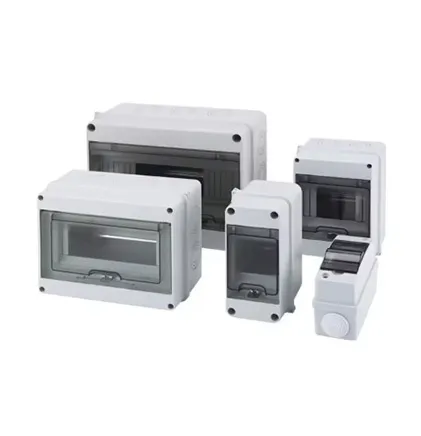
Have you ever looked at distribution boxes for your building project and wondered why some cost $50 while others run $500? It's not random – the price differences come down to what's actually inside the box, literally and figuratively. Whether you're working on residential or commercial projects, those variations in quotes are telling a story about quality, compliance, and long-term performance.
The truth is that not all electrical equipment and cable sales are created equal. You might see boxes that look identical side-by-side at a trade show, but their guts – and the standards they're built to – couldn't be more different. It's like comparing a toy car to a luxury sedan. Both have wheels and doors, but the engineering beneath the surface? Worlds apart.
Basic polycarbonate distribution boxes might get the job done for simple residential applications, but when you're doing commercial flooring systems or industrial spaces? You need something tougher. That's where high quality building materials come in. Suppliers using fiber-reinforced composites or marine-grade stainless steel justify their price tags with:
That UL sticker or CE mark isn't free – manufacturers pay serious money for third-party testing. Boxes destined for hospitals or schools have to jump through insane regulatory hoops. Think fireproof ceiling tile levels of certification. We're talking:
| Feature | Budget Tier | Mid-Range | Professional Grade |
|---|---|---|---|
| Enclosure Material | Basic PVC | Reinforced Polycarbonate | Powder-Coated Steel/Composite |
| Internal Busbars | Aluminum (8mm) | Tinned Copper (10mm) | Oxygen-Free Copper (12mm+) |
| Certifications | Local Compliance Only | IP44, Basic Fire Rating | IP68, IEC 61439, UL 67 |
| Warranty Period | 1 Year | 5 Years | 10-25 Years |
| Arc Protection | None | Partial Segregation | Full Separation Barriers |
Some "identical" boxes from different cable suppliers are literally made in the same factory – but to entirely different specs. The devil's in the manufacturing details:
We've seen buyers get burned choosing boxes solely on sticker price. One contractor saved $120 per unit buying uncertified boxes for building materials for commercial projects. Then failed inspection when the electrical authority tested arc containment. The replacements + labor overruns cost triple what "expensive" boxes would have. Penny wise, pound foolish.
How many hands touch the box before it reaches your site? Regional distributors who stock locally versus direct-from-China imports make a huge difference:
| Supply Path | Price Impact | Hidden Costs |
|---|---|---|
| Direct Factory Purchase | Lowest Unit Price | + Shipping, Import Duties, 8-12 Week Lead Time |
| National Distributor | +15-25% | Local Warranty Support, Next-Day Availability |
| Specialty Electrical Supplier | +30-40% | Custom Configurations, Onsite Technical Support |
Chasing the cheapest distribution box is like shopping for surgery based on price – dangerous. For environmentally friendly electrical equipment that lasts, prioritize:
At the end of the day, that price difference? It's insurance. Insurance against fires, against failed inspections, against callbacks at 3AM when a circuit fries. And in building materials for commercial projects, that's insurance worth paying for.
The next time you compare distribution boxes, don't just look at the numbers. Look at what's behind them. The copper content. The testing reports. The manufacturing pedigree. Because when it comes to electricity, "good enough" can be catastrophically expensive. Remember: buy cheap electrical once, pay for it forever.
Recommend Products












