
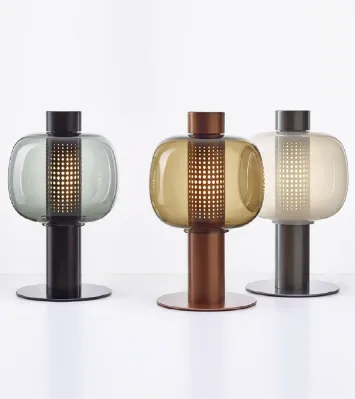
Ever wandered through a lighting store and felt baffled by why some table lamps cost $15 while others hit $150? It's like comparing a foldable camping chair to a luxury Italian leather sofa—both serve a basic function, but the execution is worlds apart. Let's demystify this puzzle by exploring what really determines those price tags.
Quick Insight: A table lamp isn't just a bulb holder. It's an engineered blend of materials, design complexity, and functionality. The cheapest options cut corners in all areas, while premium lamps excel in craftsmanship and innovation.
Here's where your money visibly splits roads:
| Material | Price Impact | Examples in Lamps |
|---|---|---|
| Plastic/Resin | Budget ($10-$30) | Mass-produced bases from facilities like those polypropylene water system manufacturers repurpose for injection molding |
| Aluminum/Metal | Mid-range ($40-$100) | Die-cast from factories supplying aluminum doors and windows , often with powder coating |
| Hand-blown Glass | Premium ($120-$300) | Artisanal pieces requiring kilns similar to those creating decorative terrazzo slabs |
| Natural Stone | Luxury ($350+) | Bases carved from granite/marble by workshops supplying high-performance decorative stone |
The difference feels tangible when you lift them—a flimsy hollow plastic base versus the cool heft of machined aluminum from the same plants producing metal edge profiles .
Under the lampshade, things get technical fast:
️ Tech Spotlight: Basic lamps use analog switches and incandescent bulbs. Premium models incorporate:
This explains why you might spot a "smart" bedside lamp priced like a coffee machine. Those electronics modules—especially wireless chips and heat-dissipating LED drivers—share supply chains with smart home appliance solutions , driving up component costs.
Not all light is created equal. Consider these comparisons:
| Light Characteristic | Budget Lamps | Premium Lamps |
|---|---|---|
| CRI (Color Accuracy) | 70-80 CRI (makes reds look muddy) | 90+ CRI (true-to-life colors) |
| Flicker Rate | Noticeable at 30% brightness | Imperceptible even at 10% |
| Dimming Smoothness | Stutters between levels | Buttery transitions |
| Glare Control | Harsh hotspots | Optical lenses for even dispersion |
Higher-grade architectural lighting solutions trickle down these optical technologies to premium home lamps. That $200 reading lamp? Its light engine might originate from labs that supply LED panels for hospital wall material projects.
This is where lamps transcend utility into artistry:
In Guangzhou's lighting district, factory workers assemble basic resin lamps at stations resembling furniture factory lines. Contrast this with Czech glassblowers hand-shaping crystal bases over open flames, or California designers laser-cutting aluminum like custom-shaped trims for yacht interiors.
Why Craftsmanship Commands More:
The journey from factory to nightstand explains price gaps:
| Factor | Discount Lamp | Designer Lamp |
|---|---|---|
| Manufacturer Location | Large-scale custom furniture solutions hubs in Asia | Specialty EU/US workshops |
| Shipping Method | Bulk sea freight (costs pennies per unit) | Air freight or climate-controlled containers |
| Inventory Model | Stored in massive warehouses | Made-to-order batches |
| Distribution | Big-box stores and online marketplaces | Design studios/architectural suppliers |
That $12 lamp likely came 12,000 units to a shipping container alongside eco-friendly building materials , while the handmade ceramic lamp traveled as fragile cargo with temperature controls.
Knowing why prices vary helps you choose wisely:
Value Spots:
Skip the cheapest tier unless you need temporary lighting. Those plastic threads crack, switches fail within months, and poor light quality will frustrate you. Instead, think of a good lamp like high-quality home appliances —invest once and enjoy for years.
Interestingly, sustainable innovations like bamboo-based composites—popular in bamboo charcoal decorative wallboard —are entering the mid-price lamp market. They offer eco-credentials without luxury markups.
Beyond price calculations, consider this: a well-chosen lamp becomes part of your daily landscape. That sculptural piece on your desk? It will witness your midnight ideas, comfort your jet-lagged nights, and reflect your style just like favorite wall decorative profiles define a room.
Price sensitivity fades over a decade of faithful service—while the regret over a flimsy $20 purchase glares at you every wobble.
So next time you lamp-shop, don't just ask "why so expensive?" but "what did they invest in?" The answer illuminates far more than just your desk.
Recommend Products












