
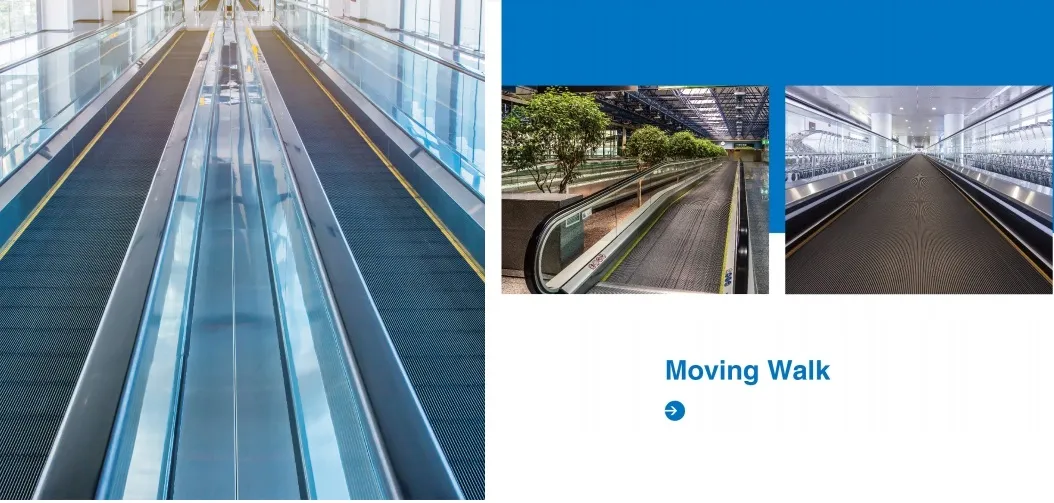
Unpacking the surprising factors that create massive cost differences
Ever wonder why moving walkways seem to vary so wildly in price? Whether you're an airport manager, shopping center developer, or transit facility planner, you've probably noticed quotes can range from affordable to astronomical. There's way more to these "magic carpets" than meets the eye.
The truth is, these systems combine hundreds of components - each with their own quality tiers. While most people focus on the obvious stuff like length and speed, the real cost drivers often hide in plain sight. Let's peel back the layers.
It all starts with what's underfoot. The flooring section of a moving walkway isn't just some rubber mat – it's a precision-engineered surface with huge price differences:
Fun fact: High-traffic moving walkways go through more stress in a week than most commercial flooring experiences in a year.
| Flooring Type | Typical Use | Durability | Price Impact |
|---|---|---|---|
| Basic Rubber | Low-traffic retail | 3-5 years | Lowest cost option |
| SPC Flooring (Stone Plastic Composite) | Medium-traffic settings | 5-8 years | 20-30% premium |
| LVT Vinyl Flooring (Luxury Vinyl Tile) | Airports, metro stations | 7-10 years | 40-60% price increase |
| WPC Wood Plastic Composite | Premium commercial projects | 10-15+ years | Double basic rubber cost |
Here's where things get interesting: commercial flooring systems like terrazzo flooring actually become cost-effective over time. The premium WPC wood plastic flooring might cost more upfront, but when you factor in replacement downtime and installation hassles, it often pays for itself in maintenance savings.
We rarely look up, but the ceiling integration creates massive cost variations. Moving walkways need specialized overhead clearance and lighting – this is where architectural lighting solutions come into play.
Standard aluminum ceiling tiles do the job, but premium options add functionality and durability:
A fire-rated suspended ceiling system alone can add 15-20% to total project costs – but it's non-negotiable in many public spaces.
Those glass or metal side panels aren't just barriers – they're complex wall cladding systems . Interior decorative wall boards cost differently than exterior wall siding. Fire-rated glass partition walls might double enclosure costs compared to basic acrylic panels.
Ecological building wall panels and green and environmentally friendly building materials command premium pricing. While traditional steel might cost $5,000 per installation, sustainable bamboo charcoal decorative wallboard can run $8,000-10,000 for the same coverage.
Curved installations, unique color matching, and custom safety features add costs. Unlike straight tunnel sections, curved moving walkways require specially engineered polyurethane insulation wall panels that follow the arc – easily adding 50% to the material bill.
That cheap walkway with basic floor tiles might save money today but become a maintenance nightmare tomorrow. Truly waterproof flooring costs more upfront but prevents:
The best commercial flooring systems actually become cheaper over a 10-year period despite higher initial quotes.
People forget moving walkways need supporting systems:
| System Component | Budget Option | Premium Option | Price Variance |
|---|---|---|---|
| Drainage Systems | Basic PVC drainage pipe | Sch40 pressure pipe systems | 2-3X cost difference |
| Electrical Systems | Standard control cables | Fire-resistant power cables | 40-70% premium |
| Safety Lighting | Generic LED lights | Custom architectural lighting solutions | 75-100% more expensive |
Where your walkway lives dramatically changes costs:
Moving walkway pricing isn't arbitrary – it reflects hundreds of material and engineering choices. The commercial flooring systems used underfoot, the wall cladding systems surrounding you, the environmental choices in building materials – all contribute to the final number. While basic installations might start around $200,000, premium configurations can easily exceed $1 million. Smart buyers analyze lifetime operational costs, not just the initial quote. The "expensive" option often becomes economical when you calculate maintenance savings and longevity.
Recommend Products












