


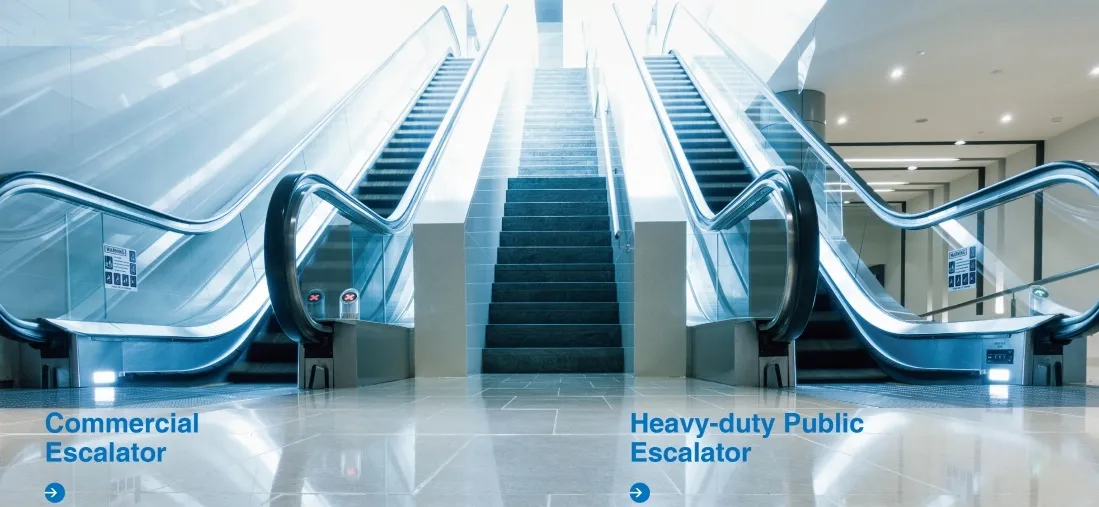
Have you ever wondered why two seemingly identical escalators can have wildly different price tags? If you're planning an installation for a mall, transit station, or office complex, you've probably discovered that commercial escalator pricing feels like navigating a maze. The reality is, many hidden factors – from technical specifications to installation challenges – dramatically affect final costs. Let's unpack this mystery together.
️ The Base Equipment Matters More Than You Think
Picture this: you wouldn't expect a minivan to cost the same as a commercial transport truck, right? The same logic applies to escalators. The core physical specifications create the foundation for pricing:
- Vertical height & stops : Moving people 10 feet vs. 40 feet requires completely different engineering
- Width & capacity : Standard (32") handles crowds differently than heavy-duty (48") models
- Operational environment : Outdoor escalators need weatherproofing armor against the elements
- Style choices : Glass balustrades and LED lighting add flair but also cost
These foundational differences create price variations spanning from $100,000 to over $500,000 per unit. It's not upsell – it's building the right tool for your specific job.
Installation Challenges That Bite Your Budget
Installation isn't just plug-and-play – it's more like open-heart surgery for your building. Unexpected costs creep in through:
- Site constraints : Tight urban spaces often require special equipment
- Reinforcement needs : Older buildings might need structural upgrades
- Coordination headaches : Timing around other construction adds complexity
- Labor variations : Urban wages and permitting differ drastically
These hidden factors can bloat installation costs to 20-40% above equipment costs. The lesson? Always get detailed site evaluations before signing contracts.
Breaking Down the Technical Price Drivers
| Factor | Low-End Impact | High-End Impact | Real-World Difference |
|---|---|---|---|
| Step Width | $100k–$120k (32") | $200k–$250k (63") | Wider steps handle crowds but double costs |
| Speed Rating | $100k–$120k (0.5 m/s) | $200k–$250k (1.5 m/s) | Faster = more motors/safety components |
| Inclination Angle | $120k–$150k (30°) | $180k–$220k (≥35°) | Steeper angles require specialized engineering |
| Custom Finishes | Base equipment costs | +$30k–$50k | Architectural features come with premium price |
Insider Tip: Always request 3D models showing exactly how your escalator will fit in your space before purchasing. This prevents costly adjustments later.
Maintenance: The Silent Budget Killer
Those smooth-gliding steps won't maintain themselves. Like a car, escalators need regular care:
- Preventive maintenance plans : $3,000–$8,000+ annually keeps things running safely
- Emergency repair danger : Skipping maintenance makes $10,000 breakdowns inevitable
- Code compliance costs : Regulations constantly evolve (especially safety brakes)
Modern VVVF drives offer better reliability, but they still need trained technicians. Building maintenance into your initial budget is non-negotiable for long-term savings.
⚡ Energy Efficiency: Savings That Add Up
Here's where going energy-efficient pays dividends month after month:
- Variable-frequency drives : Reduce power by 30% during slow periods
- Sleep mode activation : Cuts consumption during low-traffic hours
- LED lighting systems : Use 75% less power than conventional lights
Though premium features add 10-15% upfront, they slash operational costs 25-40% long-term. They also boost your property's sustainability credentials – increasingly valuable in commercial real estate.
Geographic & Design Surprises
Where and how you install creates dramatic differences:
Location Complexity
Urban projects ($180k–$250k) routinely cost 50-70% more than suburban equivalents ($120k–$150k). Why? Expensive labor, complicated access, and strict regulations squeeze budgets.
Configuration Costs
Parallel setups work but waste space. Clever crisscross designs save square footage but cost more upfront. Weigh your rental income per square foot against installation costs.
Modular vs. Traditional Builds
Time-crunched projects? Modular units assemble faster on-site:
- Traditional : 2-3 weeks installation → Higher labor costs
- Modular : 3-5 days → Lower labor but slightly higher component cost
The breakeven comes around day 12 – if installation would take longer, modular likely saves money overall.
️ Trimming Costs Without Sacrificing Safety
Smart saving strategies we've seen work:
- Seeking refurbished units from reputable suppliers (25-40% savings)
- Opting for standard widths unless crowd studies demand larger
- Prioritizing maintenance packages over cosmetic upgrades
- Applying for energy efficiency tax credits where available
The Price Range Reality
Expect these ballpark figures for quality commercial installations:
| Configuration | Low Range | Mid Range | Premium Range |
|---|---|---|---|
| Basic Indoor Unit | $120,000 | $180,000 | $220,000 |
| Outdoor/Wet Environment | $150,000 | $220,000 | $300,000 |
| High-Capacity Transit Hub | $200,000 | $350,000 | $500,000+ |
️ Don't let price be your only guide. When comparing quotes, scrutinize warranty terms, emergency response times, and maintenance track records.
The Bottom Line
Like snowflakes, no two escalator installations are identical. The price variations come from:
- The physical engineering requirements
- Installation challenges specific to your site
- Long-term operational choices like energy-efficient features
- Geographic realities of your location
Armed with these insights, you're better equipped to plan, compare quotes effectively, and ultimately select the right vertical transportation solution for your space, traffic patterns, and budget. Your escalator isn't just moving people – it's moving your property value upward.










