
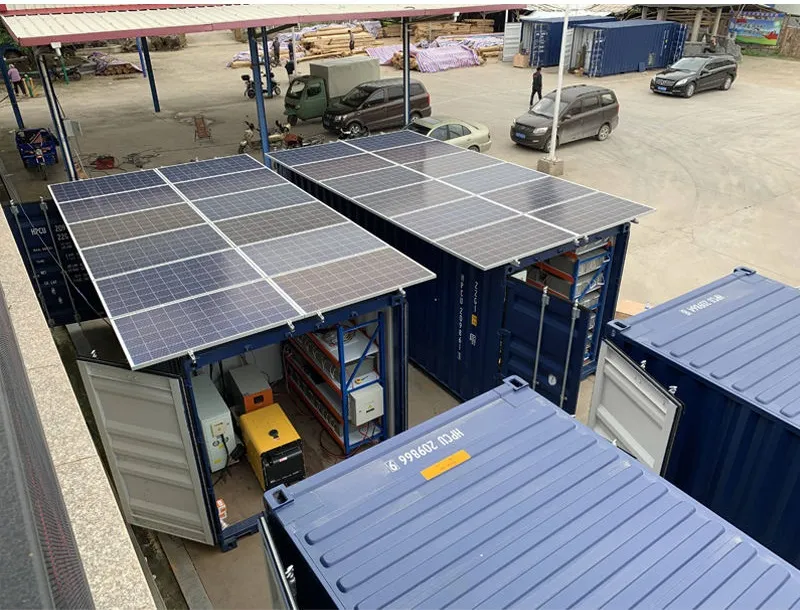
Why 400W Solar Panels Are the Smart Choice for Modern Construction Projects
The global construction industry is shifting. Energy codes are tightening, utility costs are climbing, and building owners increasingly expect sustainability to be built in from day one — not bolted on as an afterthought. In this landscape, 400watt solar panels have emerged as a practical sweet spot: powerful enough to drive meaningful energy savings, yet compact and cost-effective enough to fit a wide range of residential and commercial designs.
Whether you are outfitting a new apartment complex, renovating a hotel, or planning a mixed-use development, understanding what 400W panels bring to the table can help you make procurement decisions that balance performance, budget, and long-term value. And when those panels come from a trusted building material supplier with global reach, the logistics become just as smooth as the installation.
Solar panel wattage has climbed steadily over the past decade. Ten years ago, a 250W panel was considered standard. Today, 400W modules dominate the commercial and utility-scale markets — and for good reason. A 400W panel typically measures around 1.7 to 2.0 square meters, which means it delivers roughly 200 to 230 watts per square meter under standard test conditions. This higher power density reduces the number of panels needed to hit a given system capacity, which in turn cuts down on racking, wiring, and labor costs.
From a practical standpoint, fewer panels mean fewer roof penetrations, shorter cable runs, and less time spent on installation. For a 100 kW commercial rooftop system, switching from 330W to 400W modules can reduce the total panel count by roughly 50 to 60 units. That translates into real savings — not just in procurement, but across the entire project timeline.
Modern 400W panels using N-type TOPCon or HJT cell technology routinely achieve conversion efficiencies of 22% to 24%, compared to 18% to 20% for older PERC modules. This means more energy from the same roof area — a crucial advantage for space-constrained urban projects.
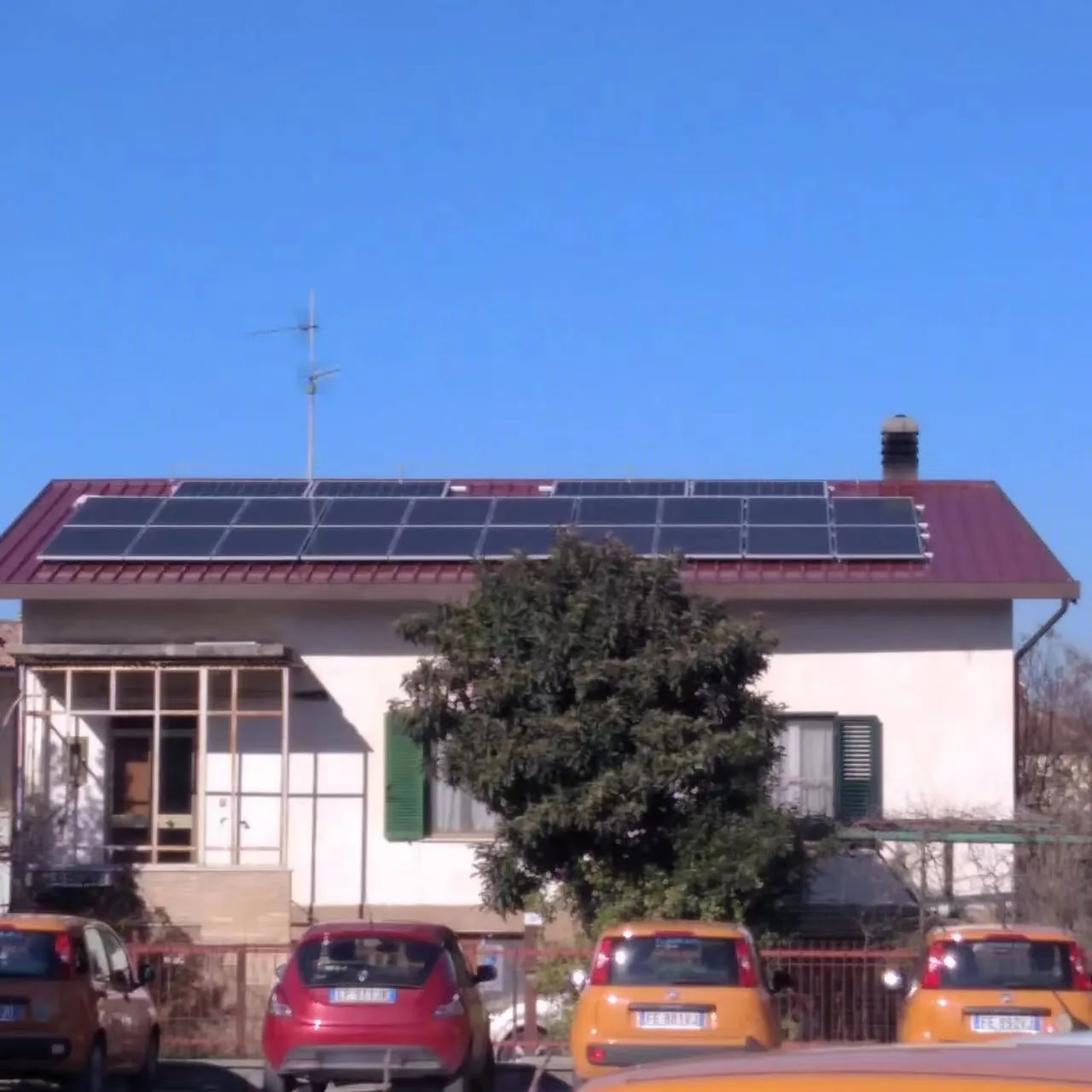
For developers and contractors, the decision to integrate solar goes beyond an environmental checkbox. Here is why 400W modules are increasingly the default choice:
Lower Balance-of-System Costs. Because each panel produces more power, you need fewer mounting rails, fewer clamps, and fewer electrical connections. For a mid-sized commercial project, BOS savings can reach 5% to 8% of total system cost.
Faster Installation. Handling 250 panels instead of 300 means less crane time, fewer crew hours, and a shorter construction schedule. Time is money on any job site.
Improved Aesthetics. Larger, higher-wattage panels create a cleaner roofline with fewer visible gaps between modules. This matters for architects and clients who care about the visual impact of the building envelope.
Better Long-Term Performance. Leading 400W panels come with linear power warranties guaranteeing at least 85% output after 25 years. Combined with bifacial designs that capture reflected light from the rear side, total energy yield over the system's lifetime is significantly higher than with earlier-generation modules.
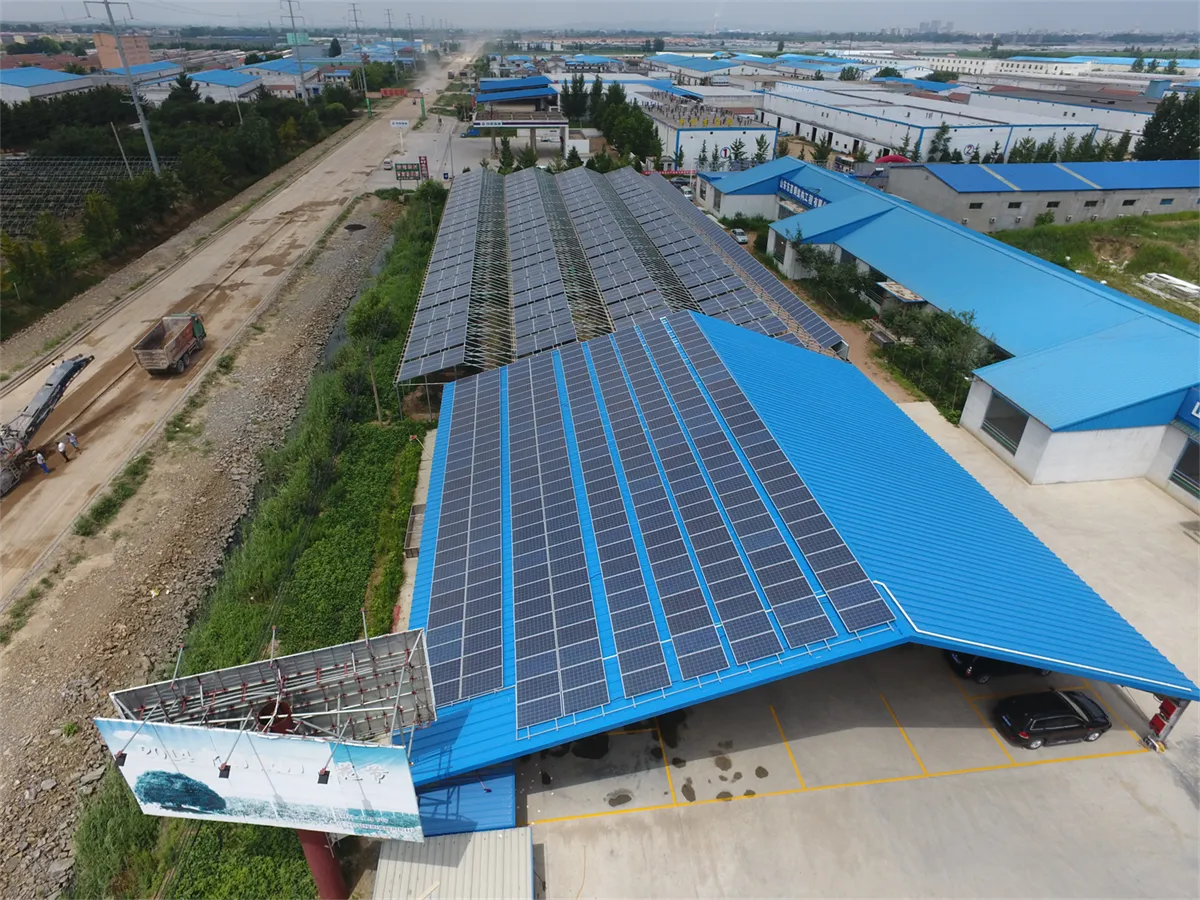
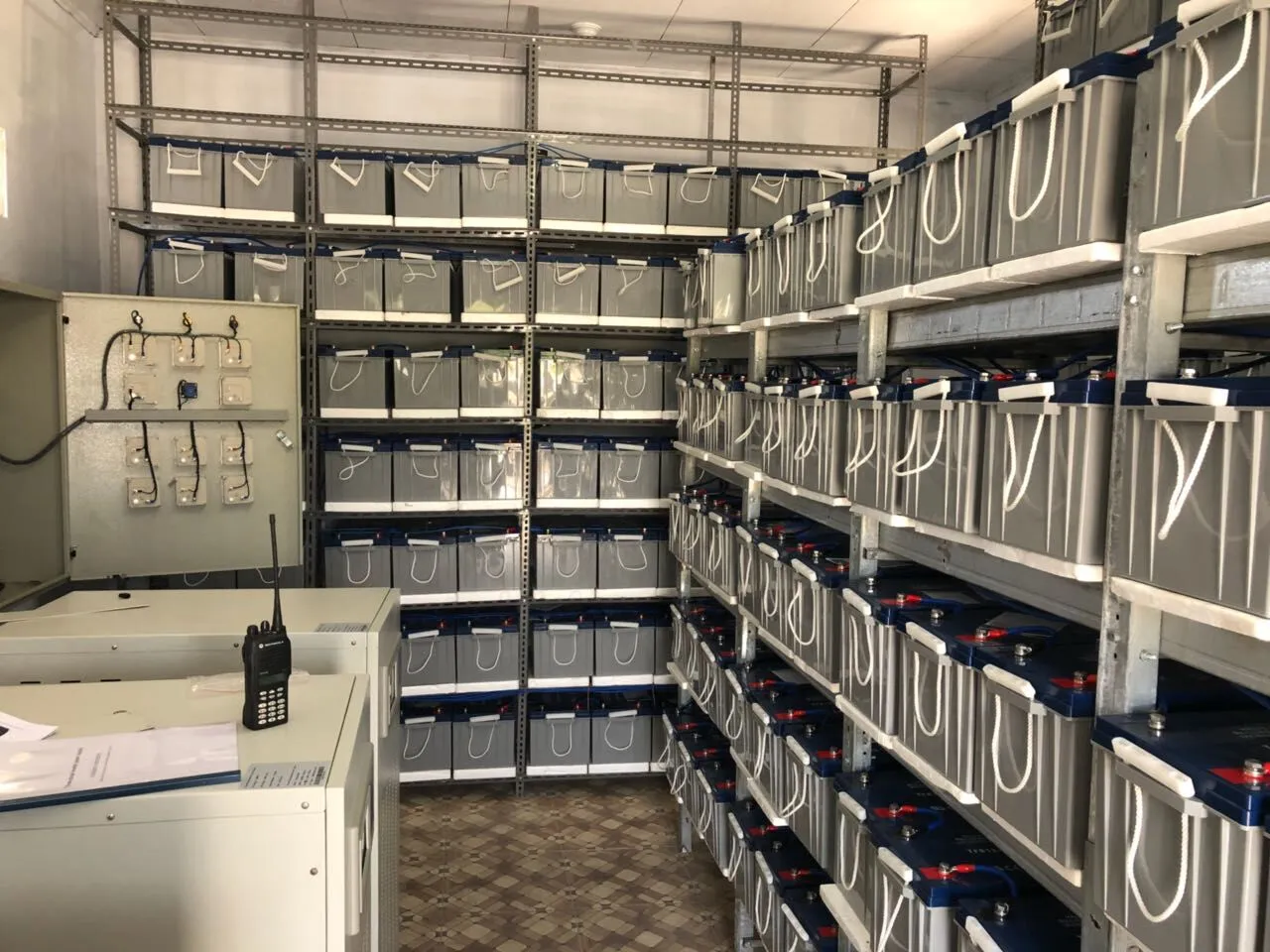
Solar panels rarely exist in isolation on a construction project. They are part of a broader ecosystem that includes mounting structures, inverters, cables, distribution boxes, and often energy storage systems. Coordinating multiple suppliers for all these components introduces complexity: mismatched delivery schedules, incompatible specifications, and fragmented warranty support.
This is where working with a one-stop architectural solution provider adds real value. Instead of juggling five or six vendors, project managers can source the entire electrical package — panels, inverters, cables, switchgear, and even lighting — from a single partner. The result is consistent quality control, consolidated shipping, and a single point of accountability when questions arise.
The same logic applies to the rest of the building. A project that needs solar panels almost certainly needs roofing materials, interior wall finishes, flooring, sanitary fixtures, windows and doors, and electrical infrastructure. Each of these categories represents a separate procurement decision — and a separate opportunity for delays, cost overruns, or quality issues.
COLORIA GROUP addresses this challenge by offering a comprehensive portfolio spanning 13 product categories: from walls and flooring to pipes and fittings, from customized furniture and home appliances to windows, doors, elevators, and solar panels. With over 560 products listed and a dedicated agent network in Saudi Arabia, the company serves residential and commercial projects across Asia, the Middle East, and beyond.
Not all 400W panels are created equal. When evaluating options for your project, pay attention to these key specifications:
Cell Technology. N-type TOPCon cells offer higher efficiency and lower degradation than traditional P-type PERC cells. HJT (heterojunction) technology pushes efficiency even higher, though at a premium cost. Match the technology to your project's budget and performance requirements.
Temperature Coefficient. A lower temperature coefficient means the panel loses less efficiency as it heats up. In hot climates like Saudi Arabia or Southeast Asia, this can make a 3% to 5% difference in annual energy output.
Bifacial Capability. Bifacial panels capture sunlight from both sides, boosting total yield by 5% to 15% depending on the albedo of the surface beneath them. White rooftops and light-colored ground surfaces amplify this gain.
Certifications. Look for IEC 61215 and IEC 61730 certifications as a baseline. For projects in specific markets, additional certifications like UL (North America) or TÜV (Europe) may be required.
A decade ago, a commercial solar installation might have taken 8 to 10 years to pay for itself. Today, with panel prices at historic lows and 400W modules delivering more power per unit, payback periods of 4 to 6 years are common in regions with favorable solar irradiance and electricity rates. When coupled with energy storage — which allows building owners to shift consumption to peak-rate hours — the economics become even more compelling.
For developers, this means solar is no longer a "nice to have" sustainability feature. It is a financially sound investment that adds measurable value to the property while reducing operating costs for future owners or tenants.
Ready to Power Your Next Project?
COLORIA GROUP supplies high-efficiency 400watt solar panels alongside a complete range of building materials — from wall systems and flooring to electrical fixtures and elevators. Whether you need a single product category or a full project package, we deliver quality, consistency, and competitive pricing. Contact us today to discuss your requirements and receive a customized quotation.
Recommend Products












