
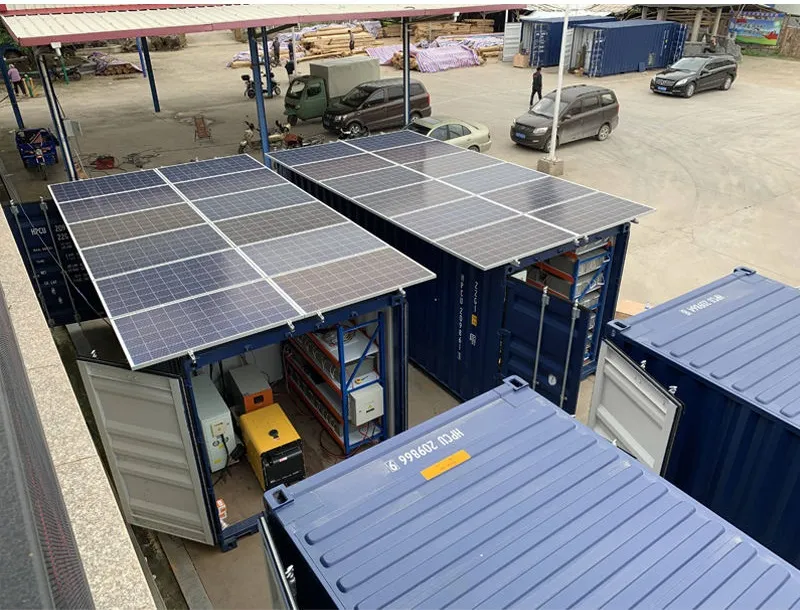
In today's world, our homes are more than just four walls and a roof—they're reflections of our personalities, lifestyles, and values. More and more homeowners are moving away from cookie-cutter designs, opting instead for whole-house customization that tailors every corner to their unique needs. But as we strive to make our homes more "us," there's another crucial factor stepping into the spotlight: sustainability. Enter the powerful combination of whole-house customization and solar panel integration—a pairing that doesn't just create a home that feels like yours, but one that also cares for the planet and your wallet.
Think about it: When you customize your home, you're already thinking about what matters most—whether that's a spacious kitchen for family gatherings, a home office that boosts productivity, or a bathroom that feels like a spa retreat. Why not extend that thoughtfulness to how your home gets its energy? Solar panels aren't just a "green add-on" anymore; they're becoming a core part of the custom home experience, blending seamlessly with your design choices to create a space that's both personal and planet-friendly. Let's dive into how these two worlds collide, and why more families are choosing this path.
Whole-house customization is about more than picking paint colors or furniture. It's a holistic approach to building or renovating a home where every detail—from the layout of the rooms to the materials used for flooring, walls, ceilings, and even sanitary fixtures—is designed to fit how you live. It's about saying, "This is my family's story, and our home should tell it."
For example, if you're an avid cook, you might customize your kitchen with extra counter space, energy-efficient appliances, and a layout that makes meal prep a breeze. If you work from home, a quiet home office with plenty of natural light and built-in storage could be a priority. And when it comes to shared spaces, maybe you want an open floor plan that encourages family time, with flooring solutions that can handle kids, pets, and the occasional spill without losing style.
But here's the thing: Traditional customization often stops at aesthetics and functionality. The new wave of homeowners? They're asking, "How can my custom home also be kind to the environment?" That's where solar panels come in. By integrating renewable energy into the customization process, you're not just building a home that works for you—you're building one that works for the planet, too.
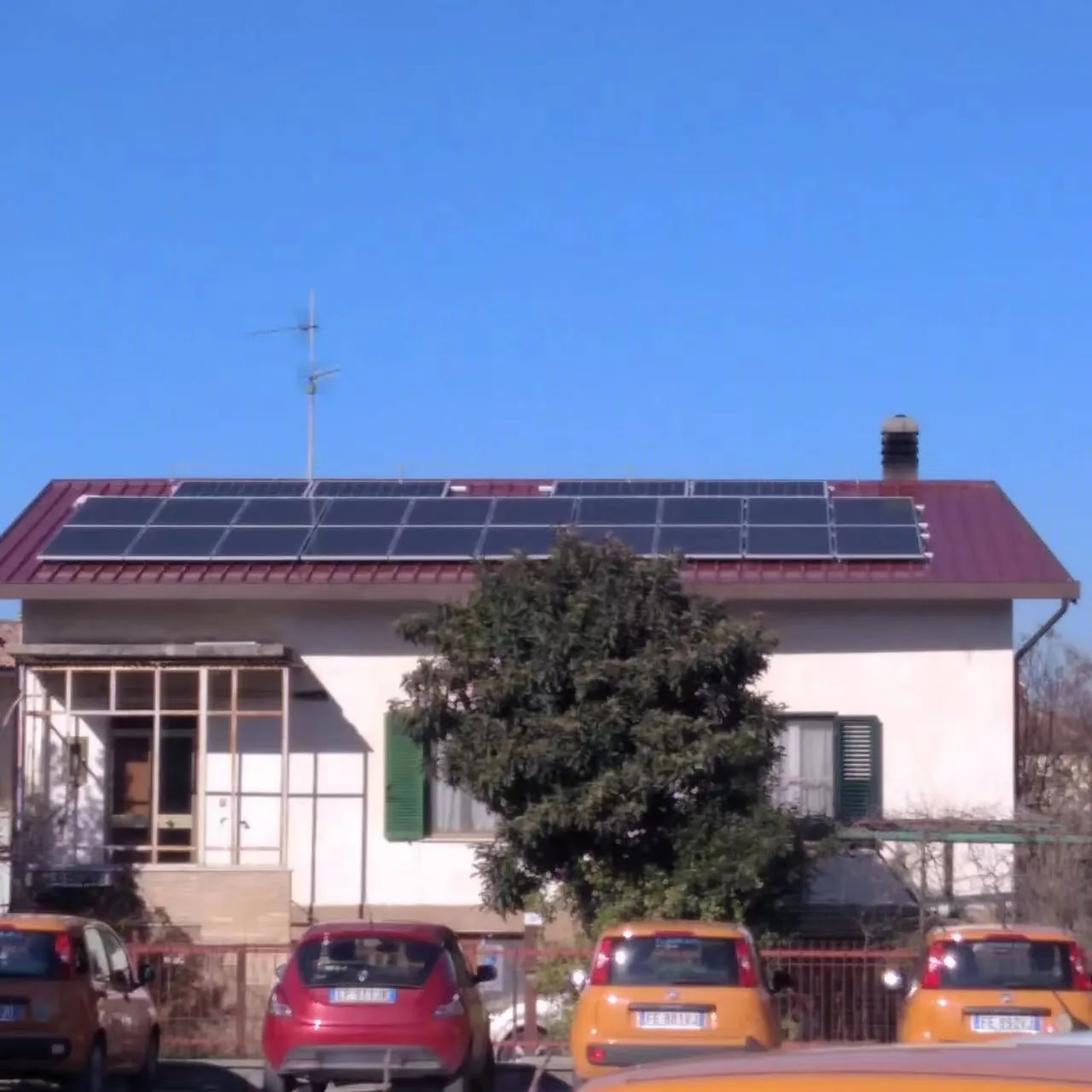
You might be wondering, "Solar panels are great, but do they really fit with a custom home?" The short answer: Absolutely. In fact, they might be the missing piece that ties your whole design together. Here's why:
1. Energy that fits your lifestyle: When you customize your home, you're already planning how much energy you'll use—whether that's from running air conditioners in the summer, heating systems in the winter, or charging multiple devices year-round. Solar panels can be sized to match that energy use, so you're not overpaying for power you don't need or falling short when you do. A good solar panels supplier will work with you to design a system that aligns with your custom home's layout and energy demands.
2. Aesthetics that blend in (or stand out): Gone are the days when solar panels were clunky eyesores. Today's solar technology comes in sleek designs, from black panels that blend with dark rooftops to shingle-style panels that look like regular roof tiles. If you're customizing your home's exterior, your solar panels supplier can help you choose options that complement your roof's color, shape, and material—so your home looks just as beautiful as you imagined, with the added bonus of clean energy.
3. Long-term savings, personalized: Let's talk numbers. The average household spends thousands of dollars on electricity each year. By installing solar panels, you can cut that bill significantly—or even eliminate it entirely. And since you're customizing your home, you can plan for solar from the start, avoiding costly retrofits later. Imagine designing your dream home and knowing that, for decades to come, your energy costs will be predictable and low. That's peace of mind you can't put a price on.
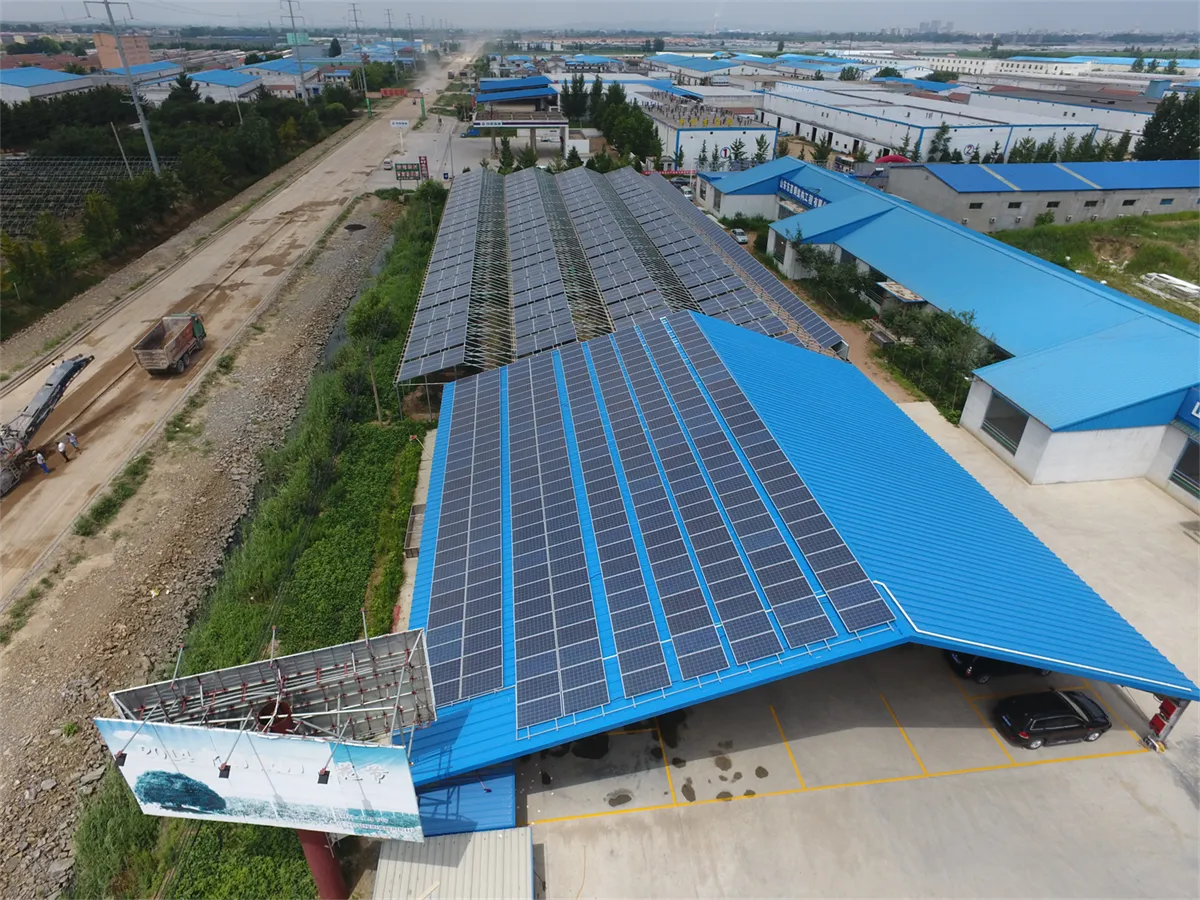
Integrating solar panels into your custom home isn't a one-step process—it's about making sure all the pieces work together. Let's break down some of the key components, including a few you might not have considered:
At the center of it all are the solar panels themselves. Choosing the right panels is crucial, and that's where a reliable solar panels supplier comes in. A good supplier won't just sell you panels—they'll work with you and your builder to assess your home's sun exposure, energy needs, and design goals to recommend the best system. For example, if your roof has limited space, they might suggest high-efficiency panels that generate more power in a smaller area. If aesthetics are a top priority, they could sleek, all-black panels that blend into your roofline.
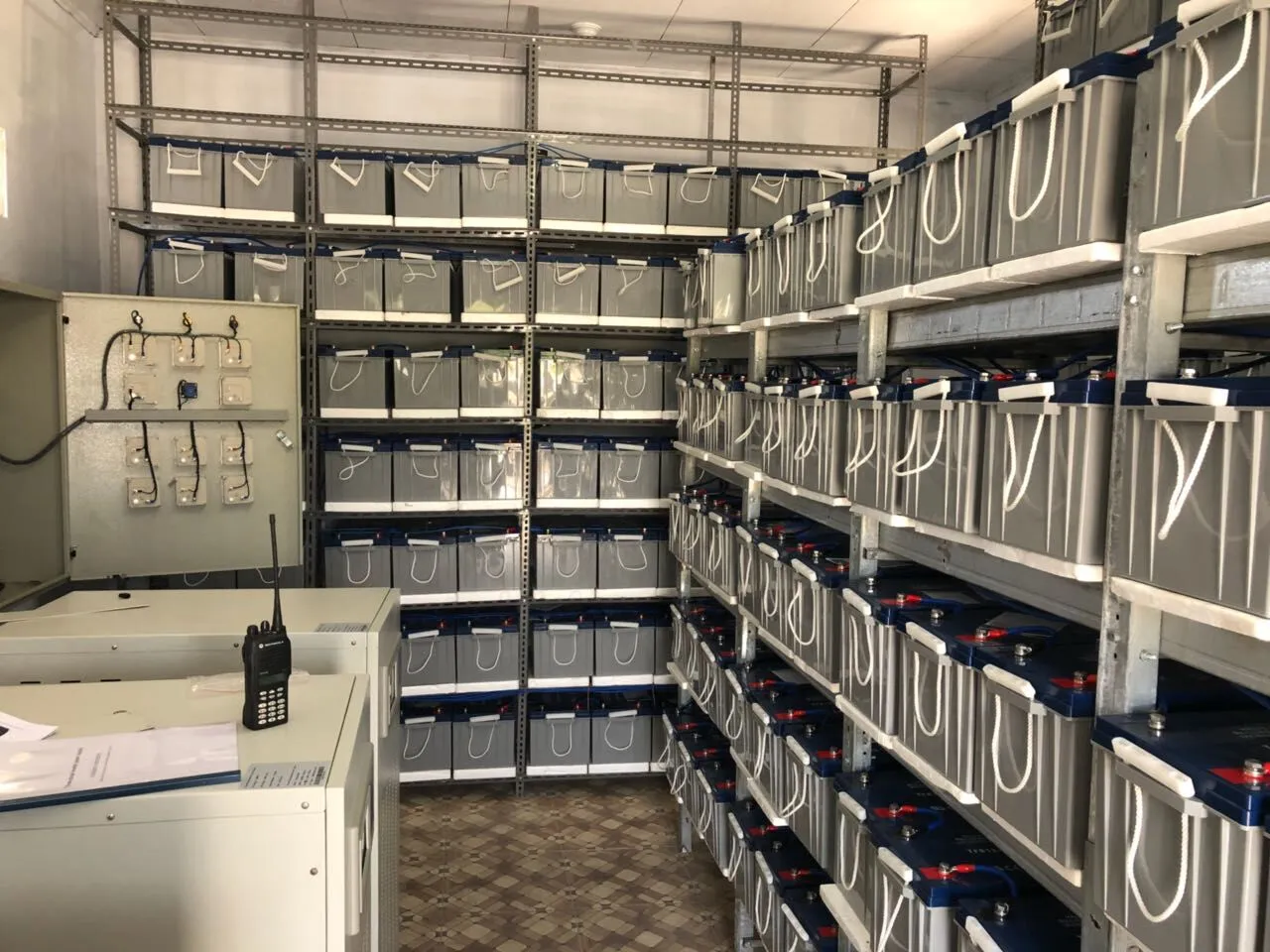
But solar panels are just part of the system. You'll also need inverters (to convert solar energy into usable electricity), batteries (to store excess energy for cloudy days or nighttime use), and smart monitoring systems that let you track how much power you're generating and using. Your solar panels supplier can guide you through these choices, ensuring your system is tailored to your home's unique setup.
Flooring is one of the first things people notice when they walk into a home, and in a custom space, it's a big part of setting the mood. But when you're integrating solar panels, why not choose flooring solutions that align with your eco-friendly goals? Many flooring options today are made from sustainable materials—like bamboo, reclaimed wood, or recycled materials—that look great and reduce your carbon footprint.
For example, bamboo flooring is not only stylish and durable but also grows quickly, making it a renewable resource. Recycled terrazzo tiles, made from leftover stone and concrete, add a unique, modern touch while keeping waste out of landfills. And if you have kids or pets, luxury vinyl planks (LVP) made from recycled plastics offer the look of hardwood with easy maintenance—perfect for busy families. The best part? These flooring solutions don't just pair well with solar energy; they enhance the "green" vibe of your entire home, making your sustainability efforts visible in every step.
Ceilings might not be the first thing you think about when customizing your home, but they play a bigger role than you'd expect—especially when it comes to energy efficiency. The right ceiling solutions can help insulate your home, keeping it cool in the summer and warm in the winter, which means your solar panels don't have to work as hard to power your HVAC system.
For example, installing insulated ceiling panels or adding extra insulation in the attic can reduce heat loss, lowering your energy bills. And if you're a fan of natural light, skylights (paired with solar panels, of course!) can brighten up a room without relying on electric lights during the day. Some homeowners even opt for ceiling fans integrated with smart technology, which can be controlled via your phone to adjust airflow based on the temperature—another small way to save energy.
Solar panels save energy, but pairing them with water-saving sanitary fixtures creates a double win for sustainability. Think low-flow toilets, water-efficient showerheads, and smart faucets that reduce water waste without sacrificing performance. For example, a low-flow toilet uses about 1.28 gallons per flush, compared to 3.5 gallons for older models—that's a 60% reduction in water use! When you combine these fixtures with a solar-powered water heater, you're cutting both your energy and water bills, making your custom home even more efficient.
And let's not forget style. Today's sanitary fixtures come in a range of designs, from sleek modern to classic elegance, so you can customize your bathroom or kitchen to match your aesthetic while still being eco-friendly. A good sanitary fixtures supplier can help you find options that blend functionality, sustainability, and beauty.
| Panel Type | Efficiency (Average) | Aesthetics | Best For |
|---|---|---|---|
| Monocrystalline Silicon | 15-22% | Sleek, uniform black appearance | Homes with limited roof space; high efficiency needs |
| Polycrystalline Silicon | 13-17% | Blueish hue, visible crystal structure | Budget-friendly projects; larger roof areas |
| Thin-Film (Amorphous Silicon) | 7-13% | Flexible, lightweight; can be integrated into roof tiles or facades | Unique architectural designs; curved or irregular roof surfaces |
| Bifacial Panels | 18-24% (absorbs light from both sides) | Similar to monocrystalline; transparent backsheet option | Homes with reflective roofs or ground-mounted systems |
This table gives you a snapshot of the most common solar panel types, but remember: The best choice depends on your home's specific needs. Your solar panels supplier can run a detailed analysis to help you decide.
So, what's in it for you? Let's break down the perks of combining whole-house customization with solar panels:
1. Your home, your rules—with a green twist: You get to design a home that fits your life perfectly, and you also get to reduce your carbon footprint. It's like having your cake and eating it too (but the cake is eco-friendly).
2. Lower energy bills, for decades: Solar panels can reduce or eliminate your electricity bills, and with net metering (where you sell excess energy back to the grid), you might even earn credits. Over 25 years, the average homeowner saves $20,000–$30,000 with solar—money you can put toward family vacations, home upgrades, or your kid's college fund.
3. Increased home value: Homes with solar panels sell faster and for more money than those without. A study by the National Renewable Energy Laboratory found that solar panels add about $15,000 to a home's resale value. Combine that with the appeal of a fully customized space, and you've got a winning investment.
4. Energy independence: With solar panels and battery storage, you're less reliant on the grid. During power outages, your home can keep running (depending on your battery size), giving you peace of mind. It's like having a backup plan built into your home's design.
5. A legacy for your family: By choosing renewable energy, you're teaching your kids about sustainability and leaving a smaller carbon footprint for future generations. It's a way to say, "We care about the planet we're leaving you."
Let's put this all into perspective with a story. Meet the Garcias: A family of four—mom, dad, and two teenagers—who decided to build their dream home in Arizona. They wanted a space that was big enough for everyone to have their own corner but still felt connected. They also cared deeply about the environment and wanted to reduce their carbon footprint.
From the start, they worked with a builder who specialized in whole-house customization and a trusted solar panels supplier. Here's how it came together:
Six months after moving in, Mr. Garcia shared, "We were worried solar might be a hassle, but it's been seamless. Our electricity bill is almost zero—we even earn credits in the summer when we generate more than we use! And the best part? The house feels like us . The kids love their rooms, my wife's kitchen is a dream, and we all feel good knowing we're doing our part for the planet."
The Garcias' story isn't unique. It's a snapshot of how whole-house customization and solar panels are coming together to create homes that are personal, practical, and planet-friendly.
None of this happens without the right team. When you're building or renovating a custom home with solar panels, you'll need to work with suppliers and professionals who understand both customization and renewable energy. Here's what to look for:
Solar Panels Supplier: Look for a supplier with experience in residential projects, good reviews, and certifications (like NABCEP, the North American Board of Certified Energy Practitioners). They should be willing to visit your site, assess your needs, and explain your options in plain English—not jargon.
Flooring and Ceiling Solutions Providers: Ask about sustainable materials and how their products can complement energy-efficient homes. A good provider will offer samples, share case studies, and help you choose options that fit your style and budget.
Builder and Architect: Find professionals who have experience integrating solar panels into custom homes. They'll know how to design the roof, electrical system, and layout to maximize solar efficiency without compromising on design.
Don't be afraid to ask questions. A reputable partner will be happy to walk you through the process, address your concerns, and ensure you feel confident in your choices.
As technology advances, the integration of solar panels and whole-house customization is only going to get better. Imagine a future where solar panels are built into your roof tiles, making them almost invisible. Or where your home's smart system automatically adjusts your appliances, lighting, and HVAC based on how much solar energy you're generating that day. Some companies are even experimenting with solar windows—transparent panels that generate electricity while still letting in light.
And when it comes to materials, we'll see more innovations in sustainable flooring, walls, and fixtures—like bamboo charcoal board wall panels (which absorb odors and moisture) or Class A fireproof inorganic boards that are both safe and eco-friendly. The possibilities are endless, and they all point to one thing: The custom homes of tomorrow will be even more personal, more efficient, and more connected to the planet than ever before.
Building or customizing a home is one of the most exciting (and stressful!) projects you'll ever take on. It's a chance to create a space that truly feels like yours—a place where memories are made, traditions are born, and life unfolds. By adding solar panels to the mix, you're not just building a house—you're building a home with purpose.
Whether you're just starting to dream about your custom home or you're deep in the planning stages, consider this: Solar panels aren't just about saving money (though that's a huge perk!). They're about aligning your home with your values, creating a space that works for you and the planet, and leaving a legacy for your family. And when paired with thoughtful choices like sustainable flooring solutions, energy-efficient ceiling designs, and water-saving sanitary fixtures, you're creating a home that's as kind to the environment as it is to your lifestyle.
So go ahead—dream big. Customize that kitchen, design that home office, pick those perfect flooring solutions. And then take it one step further: Let your home's energy tell the same story of care and intention. Your future self (and the planet) will thank you.
Recommend Products












