
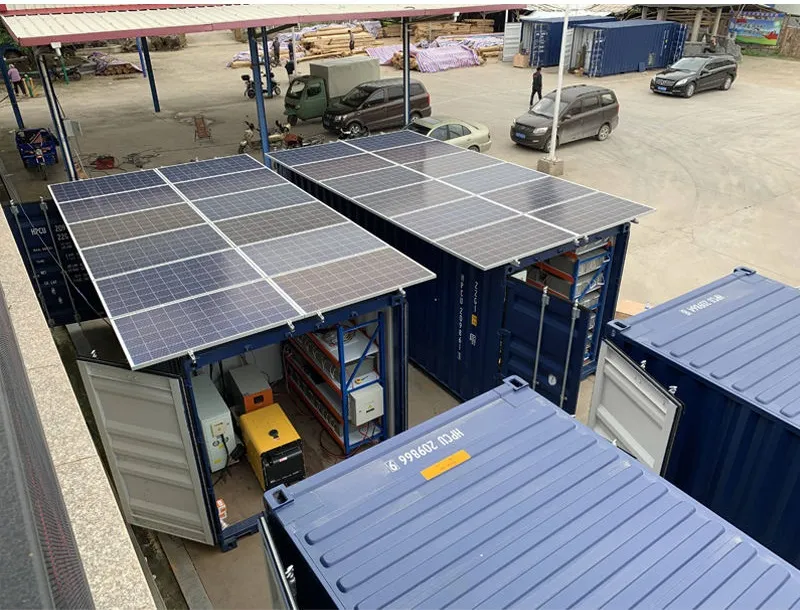
Picture this: You're walking through a home that feels like it was designed just for you. The lighting adjusts to your mood, the floors feel warm underfoot on cold mornings, and every corner reflects your style—from the bamboo charcoal board wall panels in the living room to the terrazzo tiles in the kitchen. Now, imagine that this home also generates its own energy, slashing your utility bills and shrinking your carbon footprint. That's the magic of whole-house customization done right, where solar panels aren't just an add-on, but a core part of the design.
In today's world, building a home isn't just about bricks and mortar. It's about creating a space that works with you—efficient, sustainable, and uniquely yours. And when it comes to sustainability, solar panels have become the backbone of modern whole-house design. But how do you ensure those panels are as efficient as possible? And how do they fit with other elements like flooring, lighting, and even your choice of wall panels? Let's dive in.
Let's start with the basics: Why bother integrating solar panels into your whole-house customization? For most homeowners, it comes down to three things: control, cost, and conscience.
First, control . When you generate your own electricity, you're less at the mercy of fluctuating energy prices or power outages. During storms or grid failures, a solar system with battery storage can keep your lights on and your fridge running—something that feels increasingly valuable in today's unpredictable climate.
Then there's cost . Solar panels aren't cheap upfront, but they pay for themselves over time. The average homeowner in sunnier regions sees a return on investment in 5–7 years, and with panels lasting 25–30 years, that's decades of savings. Plus, many governments offer tax incentives or rebates for installing solar, making the initial outlay easier to swallow.
And let's not forget conscience . We all want to do our part for the planet, and solar is one of the most tangible ways to reduce your home's carbon footprint. A typical residential solar system can offset 3–4 tons of CO2 per year—that's like planting over 100 trees annually.
Pro Tip: When planning your whole-house customization, involve a solar panels supplier early. They can help design a system that fits your home's layout, energy needs, and aesthetic—so your panels don't just work hard, they look good too.
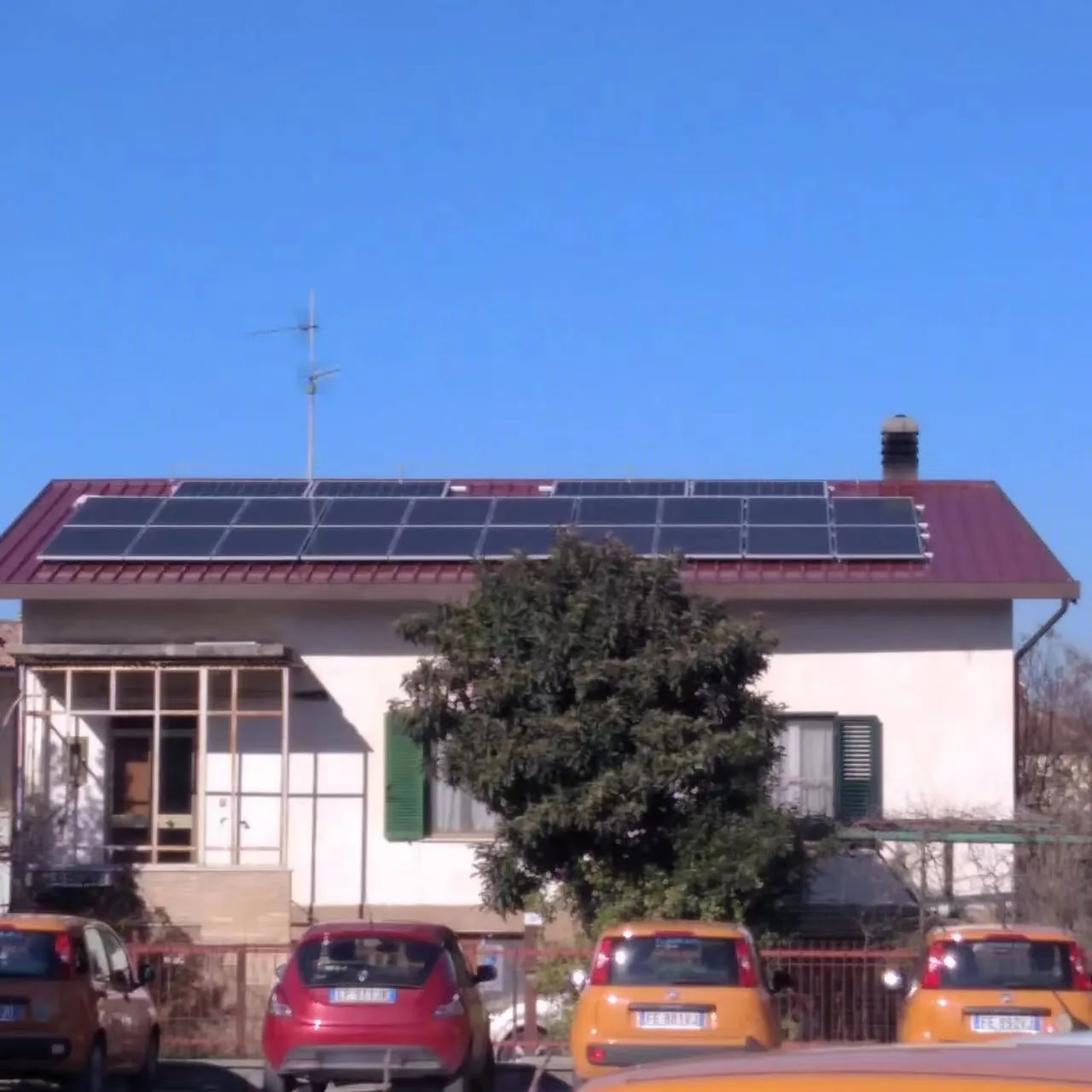
Not all solar panels are created equal. You could install the most expensive panels on the market, but if they're not set up for efficiency, you'll be leaving money (and sunlight) on the table. Here's what really matters:
The type of solar panel you choose has a big impact on efficiency. Let's break down the options:
| Panel Type | Efficiency Range | Average Cost (per watt) | Lifespan | Best For |
|---|---|---|---|---|
| Monocrystalline | 18–22% | $0.75–$1.20 | 25–30 years | Roofs with limited space; sunny climates |
| Polycrystalline | 15–17% | $0.60–$0.90 | 20–25 years | Homeowners on a budget; larger roof areas |
| Thin-Film (Amorphous Silicon) | 10–12% | $0.50–$0.70 | 15–20 years | Curved surfaces; shaded areas; temporary installations |
Monocrystalline panels are the gold standard here—they're the most efficient, thanks to their pure silicon cells. If you have a small roof or live in a place with lots of sun (like Saudi Arabia, where solar irradiance is off the charts), these are worth the investment. Polycrystalline panels are a solid mid-range option, while thin-film is better for unique installations, like a sunroom with curved glass.
Even the best panels won't perform if they're in the shade. The ideal spot? A south-facing roof with a 30–45 degree tilt (adjust based on your latitude). If your roof faces east or west, you'll still get sunlight, but expect 15–20% less energy production. And keep an eye on nearby trees—overgrown branches can cast shadows that drastically cut efficiency.
If your roof isn't suitable (maybe it's old, or you rent), ground-mounted panels or solar awnings are great alternatives. Some homeowners even integrate solar into their sun room design—killing two birds with one stone: extra living space and free electricity.
Solar panels are low-maintenance, but they're not no-maintenance. Dust, bird droppings, and leaves can block sunlight, so a quick rinse with a hose every few months (or after a storm) goes a long way. In dusty areas, you might need to clean them more often—think of it like cleaning your windows: the clearer they are, the more light gets through.
Pro maintenance tip: Many solar panels solutions include annual check-ups from the supplier. This isn't just about cleaning—technicians will inspect wiring, inverters, and battery health to catch small issues before they become big problems.
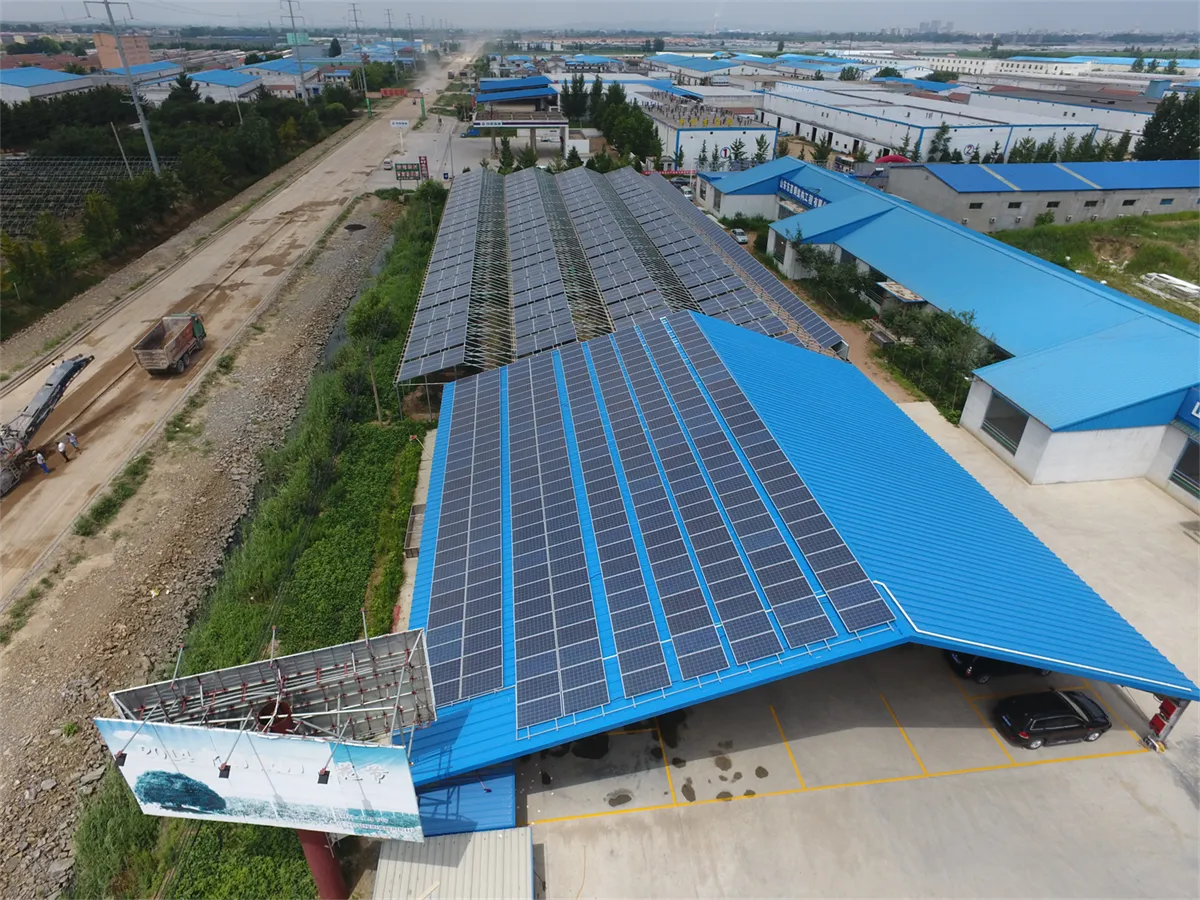
Whole-house customization is all about harmony. Solar panels don't exist in a vacuum—they work best when paired with other energy-efficient elements. Let's look at how they team up with two key areas: flooring and lighting.
When you think about solar efficiency, flooring might not be the first thing that comes to mind. But the right floors can actually help your solar system work harder. For example, porcelain slab tile for wall and floor solutions are not just durable—they're also excellent at retaining heat. In winter, they absorb sunlight during the day and release it slowly at night, reducing the need for heating (and thus, draining your solar battery).
If you're going for a warmer feel, consider engineered wood flooring from a reputable flooring supplier . Many modern options come with built-in insulation layers that keep your home cooler in summer and warmer in winter. The less energy you use for heating and cooling, the more solar power you can store for other needs—like powering your home theater or charging your electric car.
Flooring hack: Pair your flooring with underfloor heating powered by solar energy. It's luxurious, energy-efficient, and ensures every inch of your home benefits from your solar setup.
Lighting accounts for about 10% of a home's energy use, so upgrading to LED bulbs is a no-brainer. But when you're customizing your home, why stop there? Smart lighting systems let you dim lights, set schedules, and even control them with your phone—all of which reduce energy waste. And the best part? They pair seamlessly with solar panels.
A good lighting supplier will help you design a system that works with your solar capacity. For example, motion-sensor lights in hallways and bathrooms ensure lights are only on when needed, while dimmable LEDs in living areas let you adjust brightness based on natural light levels. Some systems even sync with your solar inverter, automatically reducing power use during cloudy days when your panels are producing less energy.
Don't forget about natural light, either. Skylights, large windows, and glass doors reduce the need for artificial lighting altogether. When planning your windows & doors layout, position them to maximize sunlight in frequently used rooms—your solar panels (and your wallet) will thank you.
The Al-Mansoori family in Riyadh wanted a home that reflected their love for modern design while being kind to the environment. Their whole-house customization project included everything from mcm flexible cladding stone wall panels in the entrance to a solar system on the roof. Here's how they made it work:
Challenge: Their roof was partially shaded by a large date palm tree, and they didn't want to cut it down (it had been in the family for decades). Solution: Their solar panels supplier recommended a mix of high-efficiency monocrystalline panels on the sunny side and bifacial panels (which capture light from both sides) on the shaded side. The bifacial panels used the tree's filtered light to generate extra power.
Integration win: They paired their solar system with smart lighting and wpc wall panel solutions (known for their insulation properties). The result? Their home uses 60% less energy than a similar-sized traditional house, and their solar battery often has excess power to sell back to the grid.
"We didn't just build a house—we built a system," says Mr. Al-Mansoori. "The solar panels aren't an afterthought; they're the heart of it all."
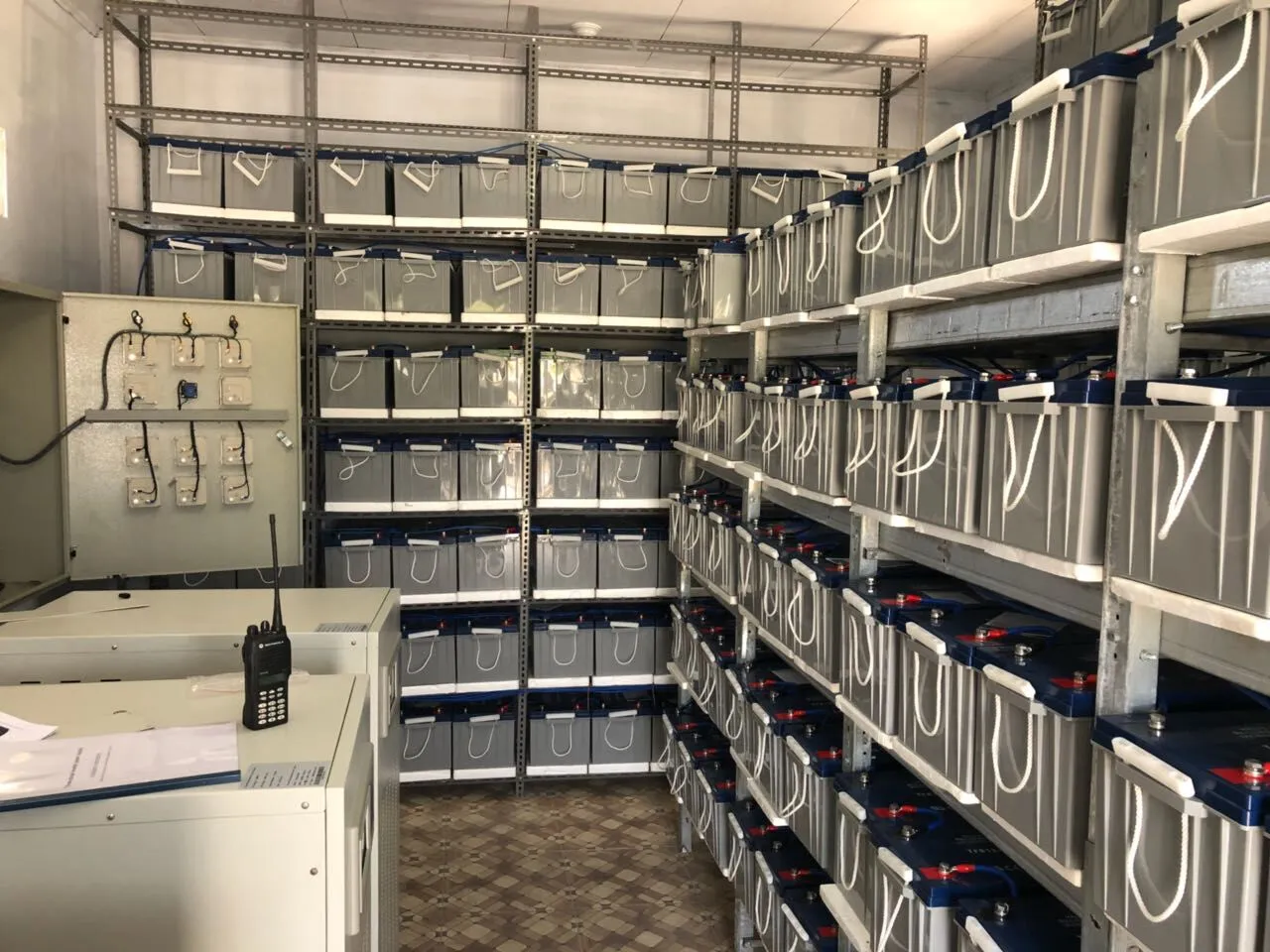
You wouldn't trust a random walls supplier to install your home's foundation, so why take chances with your solar system? The right supplier can make or break your experience. Here's what to look for:
Don't be afraid to ask for references. Talk to other homeowners who've used their solar panels solutions —did the system meet expectations? Was the installation on time? How responsive is their customer service?
Even with the best intentions, it's easy to slip up. Here are three mistakes to steer clear of:
Mistake 1: Underestimating your energy needs. Don't just look at last year's utility bills—think about the future. Are you planning to add a home office? Buy an electric car? Install a pool? Size your solar system for future needs, not just current ones.
Mistake 2: Ignoring your roof's condition. Installing solar on a roof that's 15+ years old is risky. You might end up replacing the roof sooner than expected, which means removing and reinstalling the panels (costing extra time and money). Have a roofer inspect first—many suppliers will even coordinate roof repairs as part of their solar panels solutions .
Mistake 3: Forgetting about battery storage. Solar panels generate power during the day, but most people use energy in the evening. Without a battery, you'll still rely on the grid after sunset. A battery lets you store excess daytime power for night use—making your home truly energy independent.
Solar tech is evolving fast, and it's only getting more exciting. Here are two trends to watch:
BIPV (Building-Integrated Photovoltaics): Imagine if your roof tiles, windows, or even decorative profiles generated electricity. BIPV systems turn building materials into solar collectors, blending seamlessly with your home's design. Companies are already making solar shingles that look like traditional asphalt shingles—no more clunky panels on the roof.
AI-Powered Optimization: Smart solar systems are using artificial intelligence to predict energy use, adjust panel angles in real time, and even sell excess power back to the grid at the highest prices. Pair this with smart home devices, and your home becomes a self-regulating, energy-efficient machine.
Whole-house customization is about creating a home that fits you —your style, your needs, and your values. Solar panels aren't just a trend; they're a tool to make that home more sustainable, more efficient, and more in tune with the world around us.
Whether you're building from scratch or renovating, remember: the best solar systems are those that are planned early, integrated thoughtfully, and supported by a reliable solar panels supplier . And when paired with the right flooring, lighting, and wall solutions, they don't just power your home—they transform it into a space that's as kind to the planet as it is to your lifestyle.
So go ahead—dream big. Your solar-powered custom home is closer than you think.
Recommend Products












