
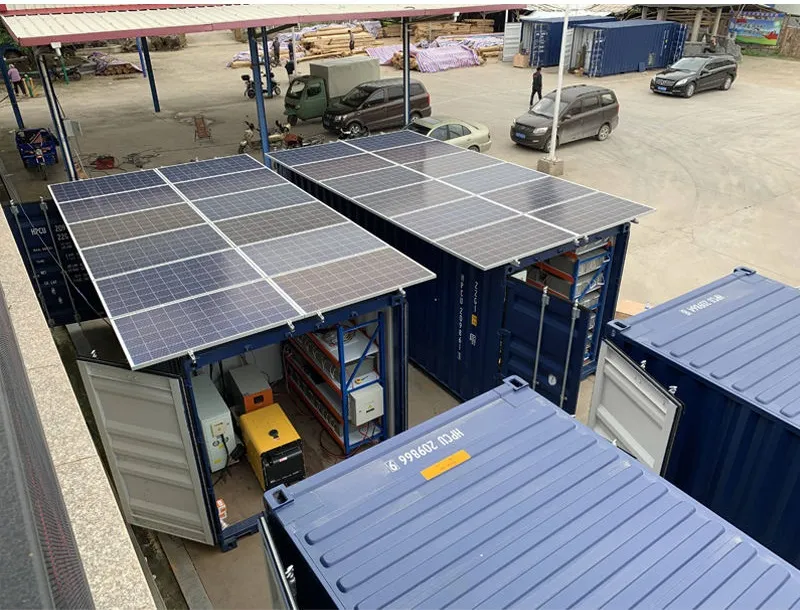
In today's fast-paced world, homeowners are no longer satisfied with cookie-cutter houses that blend into the neighborhood. Instead, they crave spaces that reflect their unique personalities, cater to their daily needs, and align with their values—especially when it comes to sustainability. This shift has given rise to the popularity of whole-house customization solutions, a holistic approach that tailors every aspect of a home, from walls and flooring to lighting and fixtures, to fit individual lifestyles. But in 2025, customization isn't just about aesthetics; it's about creating homes that are as energy-efficient as they are beautiful. And at the heart of this movement? Solar panels. By integrating solar technology into whole-house customization, homeowners can enjoy personalized spaces that also reduce their carbon footprint and energy bills. Let's dive into how these two concepts—customization and solar energy—come together to redefine modern living.
Whole-house customization is more than picking paint colors or furniture styles. It's a collaborative process where homeowners work with designers, builders, and suppliers to create a home that's tailored to their specific needs, preferences, and even future plans. Think of it as building a home from the ground up with intention: Do you work from home and need a dedicated office with soundproof walls? Are you a growing family that requires flexible living spaces? Do you prioritize eco-friendly materials that improve indoor air quality? Whole-house customization answers all these questions by integrating functional design, durable materials, and personal touches into every corner of the home.
Unlike renovation projects that tweak existing spaces, whole-house customization starts with a blank canvas. This means every element—from the layout of rooms to the type of wall panels used—can be chosen to serve a purpose. For example, a homeowner in a hot climate might opt for MCM flexible cladding stone wall panels (a type of walls solution) that reflect sunlight and keep interiors cool, while someone in a busy city might prioritize bamboo charcoal board wall panels for their sound-absorbing and air-purifying properties. The goal is to create a home that works for you, not against you.
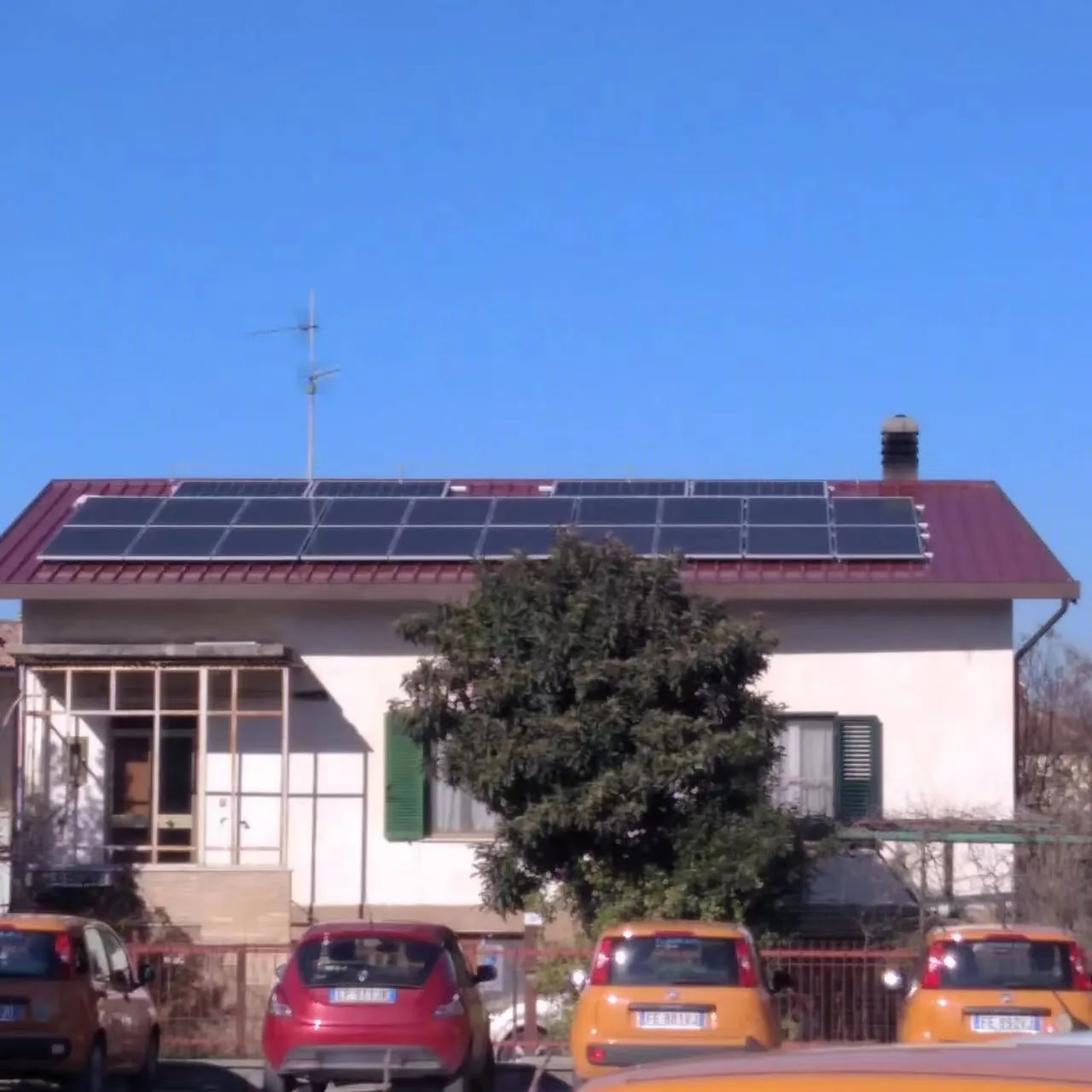
As sustainability becomes a top priority for homeowners, solar panels have transitioned from "nice-to-have" to "must-have" features. But adding solar panels as an afterthought can lead to inefficiencies: maybe the roof isn't angled correctly, or the home's energy needs weren't properly calculated. That's where integrating solar into whole-house customization shines. By planning for solar panels from the start, homeowners can ensure their home is designed to maximize energy production, storage, and usage—creating a seamless system that feels like a natural part of the home, not an add-on.
For example, during the customization process, a solar panels supplier can collaborate with architects to determine the best roof placement for panels, considering factors like sunlight exposure and roof slope. They might also recommend battery storage systems to store excess energy for cloudy days or nighttime use. Meanwhile, interior designers can choose energy-efficient appliances and lighting solutions that work in harmony with solar power, ensuring the home uses less energy overall. It's a full-circle approach that turns a house into a self-sustaining ecosystem.
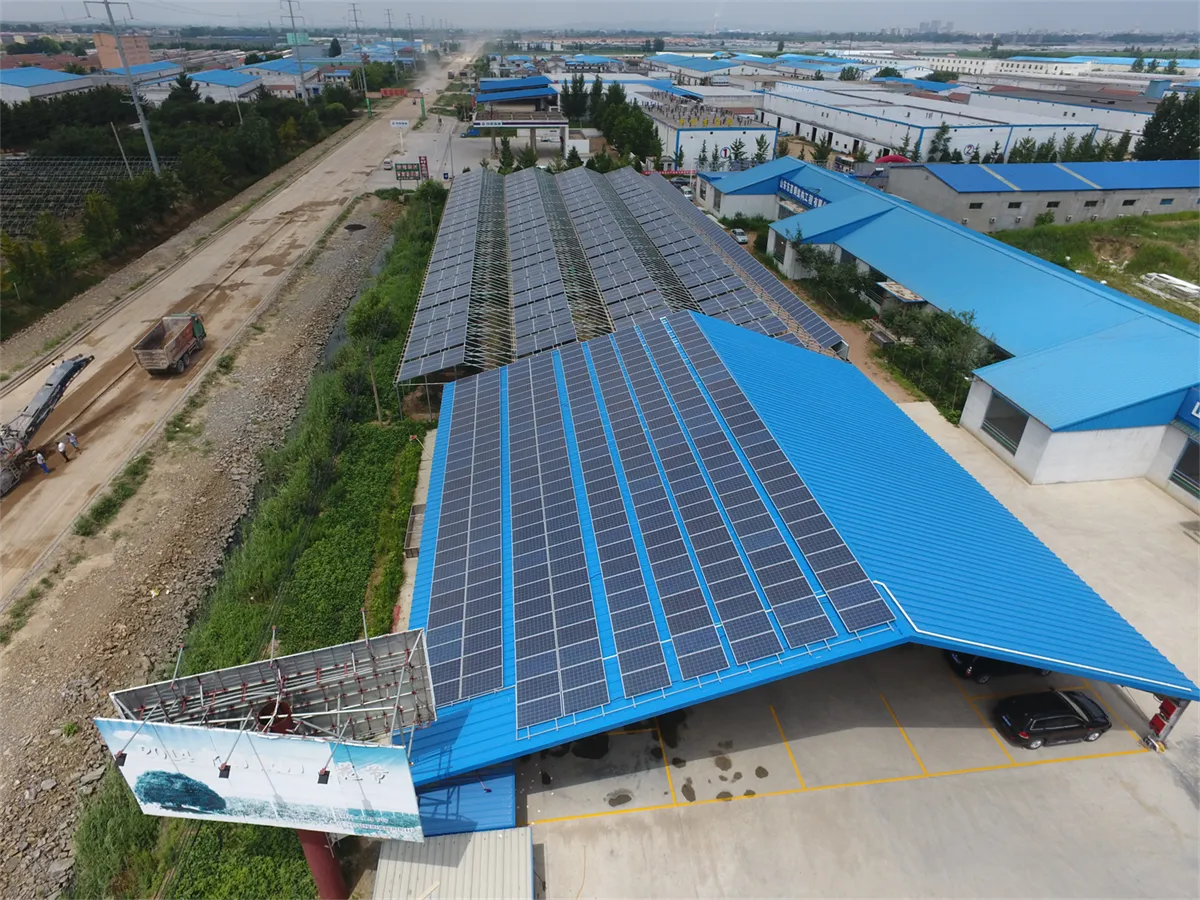
To truly make the most of whole-house customization and solar integration, several key components work together to create an efficient, personalized space. Let's break down some of the most important ones:
Walls are the backbone of any home, and in a customized space, they do more than separate rooms—they contribute to energy efficiency, comfort, and style. When paired with solar panels, the right walls solutions can reduce the need for heating and cooling, which are often the biggest energy drains in a home.
Take MCM flexible cladding stone wall panels, for instance. These lightweight, durable panels mimic the look of natural stone but are easier to install and more cost-effective. Their reflective surface helps bounce sunlight away from the home, keeping interiors cooler in summer and reducing reliance on air conditioning. For colder climates, bamboo charcoal board wall panels are a great choice. Not only do they add a warm, natural aesthetic, but their insulating properties help trap heat inside, cutting down on heating costs. Both options align perfectly with solar integration: by reducing energy needs, they allow homeowners to rely more on solar power and less on the grid.
Flooring is another area where customization and sustainability intersect. The right flooring solutions can enhance a home's energy efficiency while adding personality. For example, terrazzo tile—made from recycled materials like marble chips and concrete—is not only visually striking but also highly durable, reducing the need for frequent replacements (which saves energy and resources). Its smooth surface also reflects light, brightening rooms naturally and reducing the need for artificial lighting during the day—a small but impactful way to lower energy use when paired with solar panels.
WPC (wood-plastic composite) wall panels, often used for flooring in moisture-prone areas like basements or bathrooms, are another eco-friendly option. Made from recycled wood fibers and plastic, WPC is resistant to water, mold, and scratches, making it a long-lasting choice. Its insulating properties also help maintain indoor temperatures, further supporting solar energy efficiency.
Lighting is where customization truly shines—literally. Modern lighting solutions offer endless possibilities for personalization, from sleek magnetic track lights that can be adjusted to highlight artwork, to smart LED bulbs that change color with a voice command. But beyond aesthetics, energy-efficient lighting is crucial for maximizing solar panel benefits.
LED lighting, for example, uses up to 75% less energy than traditional incandescent bulbs and lasts 25 times longer. When integrated with solar power, LED lights can run almost entirely on renewable energy, drastically reducing electricity costs. Smart lighting systems take this a step further by automatically dimming or turning off lights when rooms are unoccupied, or brightening when natural light is low. This level of control ensures that solar energy is used only when needed, making the most of every panel's output.
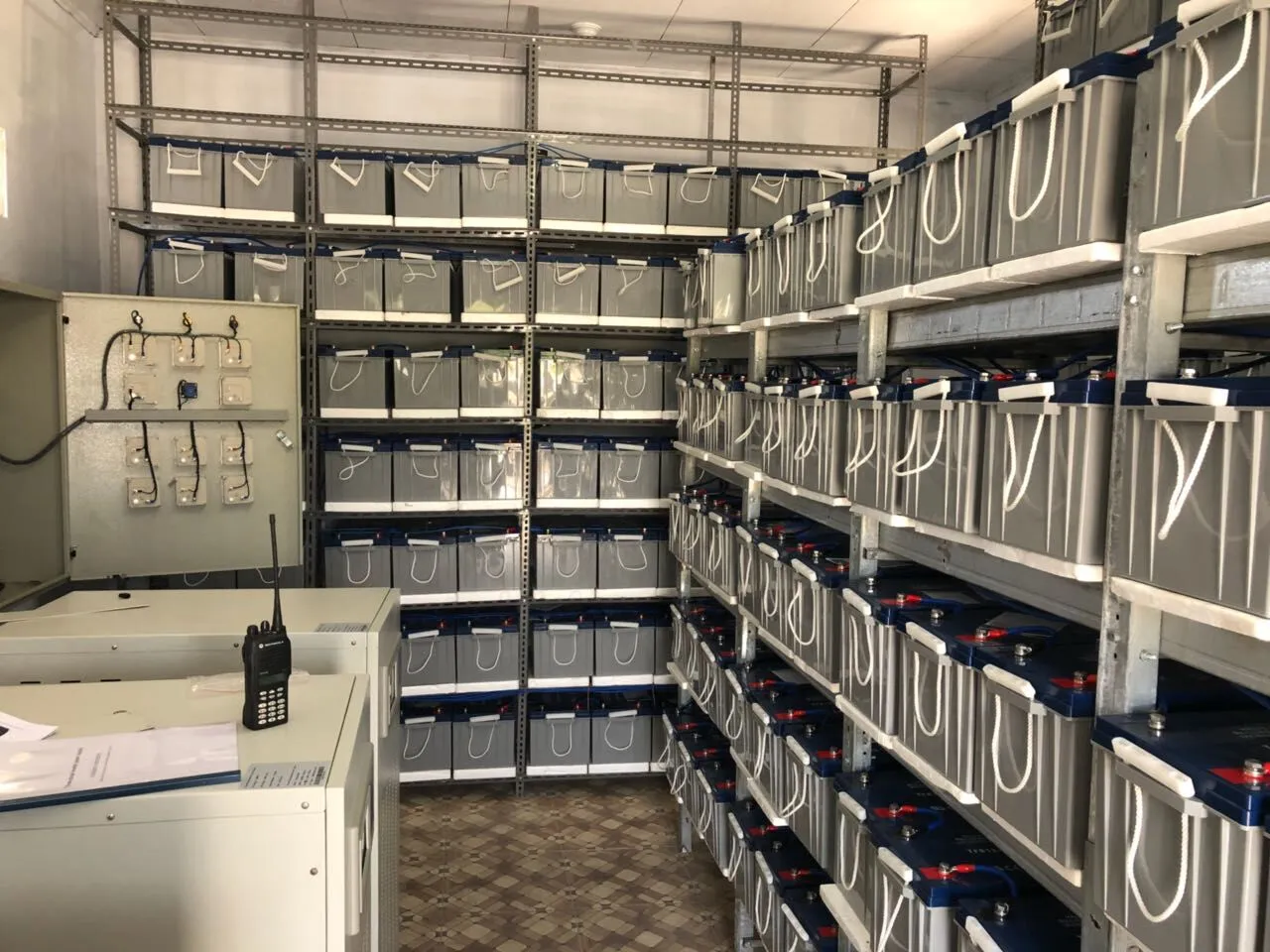
So, what exactly do homeowners gain from integrating solar panels into their whole-house customization plans? The benefits are both immediate and long-lasting:
| Benefit | Description |
|---|---|
| Lower Energy Bills | By generating your own solar energy and reducing energy needs through efficient materials (like insulated walls and LED lighting), monthly electricity costs can drop by 50% or more. |
| Personalized Comfort | Customized layouts, materials, and features ensure the home fits your lifestyle—whether that means a home office with soundproof walls, a kitchen with energy-efficient appliances, or a bathroom with solar-heated water. |
| Increased Home Value | Homes with solar panels and high-quality customization features often sell for more than standard homes. Buyers are willing to pay a premium for energy efficiency and personalized spaces. |
| Reduced Carbon Footprint | Solar energy is clean and renewable, so relying on it reduces reliance on fossil fuels. Pair that with sustainable materials (like recycled terrazzo or bamboo charcoal boards), and you're making a significant environmental impact. |
| Energy Independence | With solar panels and battery storage, homeowners are less vulnerable to power outages or fluctuating energy prices. You become your own energy provider. |
Of course, integrating solar panels into whole-house customization isn't without its challenges. The initial cost can be a barrier: solar panels, batteries, and high-quality materials like MCM cladding or terrazzo tile require upfront investment. However, many governments offer tax incentives, rebates, or financing options to offset these costs. Over time, the savings on energy bills often make up for the initial expense—some homeowners even report breaking even within 5–10 years.
Another challenge is finding the right suppliers and professionals to collaborate on the project. Whole-house customization requires coordination between architects, designers, solar panel suppliers, and contractors. To avoid miscommunication, look for a one-stop provider who can oversee multiple aspects of the project, or work with a team that has experience in both customization and solar integration. This ensures everyone is on the same page, and the final result meets your vision and energy goals.
Whole-house customization solutions and solar panels are more than just trends—they're the future of homebuilding. In a world where personalization and sustainability are no longer optional, these two concepts come together to create homes that are as unique as their owners and as kind to the planet as they are comfortable to live in. Whether you're building a new home or renovating an existing one, integrating solar panels from the start ensures that every design choice, from the walls to the flooring to the lighting, works together to maximize efficiency and style.
At the end of the day, a home should be a place that supports you—your lifestyle, your values, and your future. With whole-house customization and solar energy, you're not just building a house; you're creating a space that grows with you, saves you money, and leaves a better world for generations to come. And that's a home worth investing in.
Recommend Products












