

Walk through any modern construction site in Riyadh, Dubai, or Doha, and you'll notice a material that's quickly becoming a staple: WPC wall panels. Short for Wood Plastic Composite, these panels have revolutionized how architects, contractors, and homeowners approach interior and exterior design in the Middle East. But with so many suppliers vying for attention, how do you separate the truly exceptional from the rest? In this article, we'll explore why WPC wall panels are dominating regional projects, what defines a top-tier supplier, and spotlight the industry leader that's setting the standard—one panel at a time.
Let's start with the basics: the Middle East isn't just a region of stunning skyscrapers and luxury villas. It's a place of extreme climates—scorching summers with temperatures regularly exceeding 45°C (113°F), sudden sandstorms, and in some coastal areas, high humidity and salt-laden air. Traditional building materials often struggle here. Wood warps and rots; concrete is heavy and inflexible; even some stone claddings crack under thermal stress. Enter WPC wall panels: a hybrid material that marries wood fibers (for that natural, warm aesthetic) with plastic polymers (for unbeatable durability). It's a match made for the Middle East's unique challenges.
But it's not just about survival—it's about style. Today's developers and homeowners in the region demand more than function; they want spaces that reflect modernity, cultural heritage, and personal taste. WPC panels deliver here, too. With finishes ranging from sleek matte to wood grains, and colors that mimic everything from desert sandstone to deep mahogany, they're versatile enough for minimalist apartments, opulent hotels, and even traditional majlis spaces. Add in their lightweight nature—making installation faster and labor costs lower—and it's no wonder contractors are swapping old materials for WPC.
Sustainability is another key driver. Countries like Saudi Arabia, the UAE, and Qatar have ambitious green building goals, with initiatives like Saudi Vision 2030 prioritizing eco-friendly construction. WPC panels check this box, too: many are made with recycled wood and plastic, reducing reliance on virgin materials. They're also low-maintenance—no need for toxic paints or sealants—and last decades, cutting down on replacement waste. For a region aiming to balance growth with environmental responsibility, WPC isn't just a trend; it's a necessity.
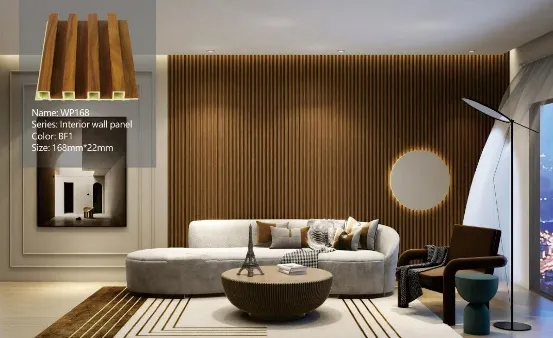
So, WPC panels are a game-changer—but only if they come from a reliable supplier. In a market flooded with options, how do you identify the best? Let's break down the non-negotiables:
Not all WPC is created equal. A top supplier invests in rigorous testing, from raw material selection to finished product inspection. Look for certifications like ISO 9001 (quality management) and ISO 14001 (environmental management). In the Middle East, local standards matter, too—compliance with Saudi Arabian Standards Organization (SASO) or Emirates Standardization and Metrology Authority (ESMA) regulations is a must to avoid project delays or safety issues.
Construction projects vary wildly: a hospital in Riyadh has different needs than a beachfront villa in Dubai. The best suppliers offer more than "one-size-fits-all" panels. Think specialized options like fire-retardant WPC for high-rise buildings, moisture-resistant variants for bathrooms or coastal areas, and decorative panels with custom engravings for cultural or luxury projects. They don't just sell panels—they sell solutions tailored to your project's unique demands.
Understanding the Middle East's climate, regulations, and design preferences isn't optional. A top supplier doesn't just ship products from overseas; they have boots on the ground. This means local warehouses for fast delivery, technical teams familiar with regional building codes, and customer support that speaks your language—literally and figuratively. When a sandstorm hits or a last-minute design change is needed, you want a supplier who can respond quickly, not one that's eight time zones away.
The construction industry evolves fast, and so do WPC technologies. Leading suppliers invest in R&D to improve their panels: better UV resistance for sun-drenched exteriors, enhanced fire ratings for public spaces, or new recycled materials to boost sustainability. They don't rest on past successes—they're always looking for ways to make their products stronger, smarter, and more aligned with future trends.
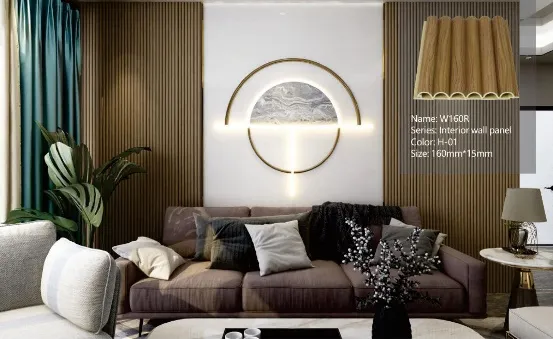
Now, let's get to the question at the heart of this article: Who stands out as the top WPC wall panel supplier for Middle East projects? The answer lies in a company that embodies all the qualities above—and then some. We're talking about a one-stop architectural solution provider with a laser focus on WPC wall panel excellence, backed by decades of regional experience and a portfolio that spans residential, commercial, and industrial projects.
What sets them apart? Let's start with their core offering: WPC wall panel solutions designed specifically for the Middle East. Unlike generic suppliers, they've spent years engineering panels that thrive in the region's climate. Their outdoor WPC panels, for example, include advanced UV stabilizers to prevent fading under the harsh desert sun—a common problem with cheaper imports. For coastal areas like Jeddah or Dubai, their moisture-resistant variants resist saltwater corrosion, ensuring walls stay intact for decades. And for high-traffic spaces like shopping malls or airports, their impact-resistant WPC can withstand bumps, scratches, and the general wear and tear of busy environments.
But they don't stop at "standard" WPC. Their product line is a masterclass in versatility. Let's take a closer look at some of their most popular solutions:
| Product Line | Key Features | Fire Rating | Best For | Warranty |
|---|---|---|---|---|
| Classic WPC Interior Panels | Wood grain finish, lightweight (6kg/m²), easy to cut/shape | Class B (EN 13501-1) | Residential homes, offices, hotels | 10 years |
| ExtremeWeather™ Exterior Panels | UV-stabilized, moisture-resistant, anti-termite | Class B-s1, d0 (low smoke, no droplets) | Villas, commercial exteriors, coastal projects | 15 years |
| Designer Series Custom Panels | Custom colors, embossed patterns (e.g., Islamic geometric designs), matte/gloss options | Class B | Luxury hotels, cultural centers, high-end retail | 12 years |
| FireShield™ WPC Panels | Fire-retardant additives, low smoke emission | Class A2-s1, d0 (highest rating for WPC) | Hospitals, schools, high-rise buildings | 10 years |
What's impressive about this lineup is how each product addresses a specific regional need. Take the FireShield™ panels, for instance. In the Middle East, fire safety regulations are strict—especially for public buildings like hospitals and schools. While traditional WPC typically has a Class B rating, their FireShield™ variant meets Class A2-s1, d0 standards, making it suitable for spaces where fire protection is non-negotiable. It's this attention to local compliance that keeps contractors coming back.
Here's where things get even more compelling: this supplier isn't just a WPC wall panel supplier —they're a one-stop architectural solution provider . That means when you work with them, you gain access to a full suite of building materials, from flooring to ceiling solutions, all under one roof. Need WPC panels for your walls and matching WPC flooring for a cohesive look? They've got it. Renovating a bathroom and want coordinating wall panels and fixtures? Their sanitary solutions division can help. This "one-stop" model isn't just convenient—it reduces logistical headaches, ensures material consistency, and often leads to cost savings when bundling orders.
But convenience alone doesn't make a leader. What truly cements their position is their regional footprint. With headquarters in Riyadh and warehouses in Dubai, Doha, and Kuwait City, they can deliver products to most Middle East sites within 48 hours—a critical advantage in a region where project timelines are tight. Their technical team, based locally, offers on-site support: helping with installation training, troubleshooting, and even custom design consultations. For example, when a contractor in Abu Dhabi was struggling to install WPC panels on a curved wall, their team developed a specialized cutting guide and sent a technician to the site within 24 hours. That's the kind of service that turns clients into long-term partners.
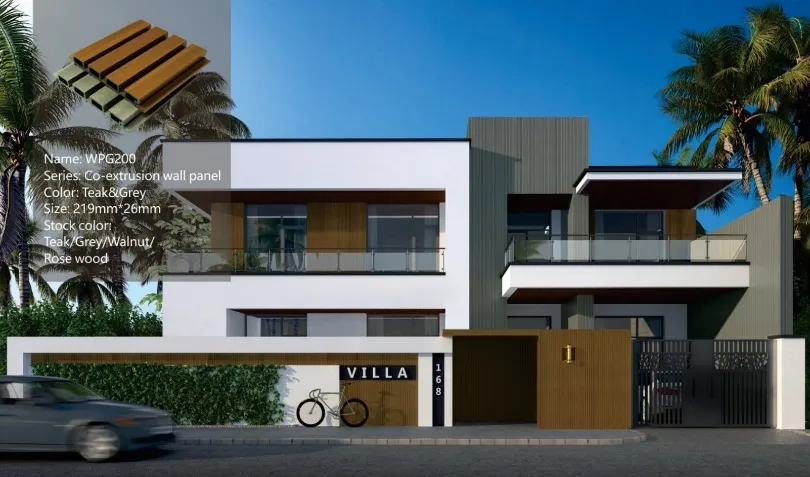
Talk is cheap—results matter. Let's look at how this supplier has transformed real Middle East projects:
A leading real estate developer in Riyadh wanted to build 50 high-end villas with a "modern desert oasis" theme. The challenge? Exterior walls that could withstand 50°C summers and occasional sandstorms while maintaining a warm, natural look. They chose the supplier's ExtremeWeather™ Exterior Panels in a sandstone finish. The result? Installation took 30% less time than traditional stone cladding, and after 3 years, the panels still look brand-new—no fading, cracking, or warping. Homeowners praise the low maintenance: "I hose down the exterior walls once a month, and they shine like the day they were installed," said one villa owner.
A popular Dubai mall needed to update its food court area, aiming for a fresh, contemporary vibe with durable materials. The client chose the Designer Series Custom Panels with a geometric pattern inspired by traditional Emirati art. The panels were installed on walls and ceilings, creating a cohesive, Instagram-worthy space. Since the renovation, foot traffic to the food court has increased by 25%, and the mall management reports zero maintenance issues—even with daily cleaning and heavy foot traffic.
A major hospital in Doha required wall panels for its new pediatric wing that were durable, easy to clean, and fire-safe. The FireShield™ WPC Panels were the perfect fit: their Class A2 fire rating met strict healthcare regulations, and their smooth surface resists bacteria growth (a must for hospitals). Plus, the panels were available in soft, calming colors that helped create a child-friendly environment. "We chose WPC for its safety and low maintenance, but we were by how easy it was to integrate into our design," said the hospital's chief architect.
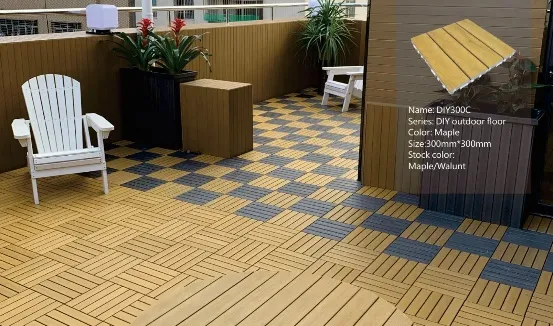
So, what makes this supplier the top WPC wall panel provider in the Middle East? It's not just the quality of their products—it's their commitment to partnership. They don't see clients as one-time buyers but as long-term collaborators. Here's how that translates in practice:
They're passionate about reducing the construction industry's carbon footprint. Their WPC panels contain up to 60% recycled materials, and their manufacturing facilities run on solar power. They even offer a recycling program for old WPC panels, ensuring they don't end up in landfills. For developers chasing LEED or Estidama certifications, this commitment is a huge plus.
Their R&D team is constantly pushing the boundaries of WPC technology. Currently, they're testing a new "CoolWPC" panel that reflects sunlight, reducing building cooling costs by up to 15%—a game-changer for energy-hungry Middle East projects. They also collaborate with local universities to study regional climate impacts on building materials, ensuring their products stay ahead of evolving challenges.
From the moment you request a quote to years after installation, their team is there. They offer a 10-year warranty on all WPC panels, but their support goes beyond that. If a panel gets damaged (say, during a renovation), they can replace individual pieces—no need to redo an entire wall. Their online portal also provides access to installation guides, maintenance tips, and even virtual design tools to help clients visualize panels before ordering.
As the Middle East continues to grow—with mega-projects like NEOM, Dubai 2040, and Qatar's post-World Cup developments—demand for innovative building materials will only rise. WPC wall panels, with their blend of durability, design flexibility, and sustainability, are poised to play a starring role. And in this future, the supplier we've highlighted isn't just keeping up—they're leading the charge.
Their focus on regional adaptation, client-centric service, and continuous innovation makes them more than a supplier; they're a partner in building the Middle East's future. Whether you're a contractor working on a residential complex, an architect designing a landmark tower, or a homeowner dreaming of a low-maintenance, beautiful space, choosing the right WPC supplier isn't just a business decision—it's an investment in quality, durability, and peace of mind.
So, who is the top WPC wall panel supplier for Middle East construction projects? It's the one that doesn't just sell panels—it delivers solutions, support, and a vision for better building. And in a region that demands nothing less than excellence, that's the supplier making waves.
Recommend Products











