


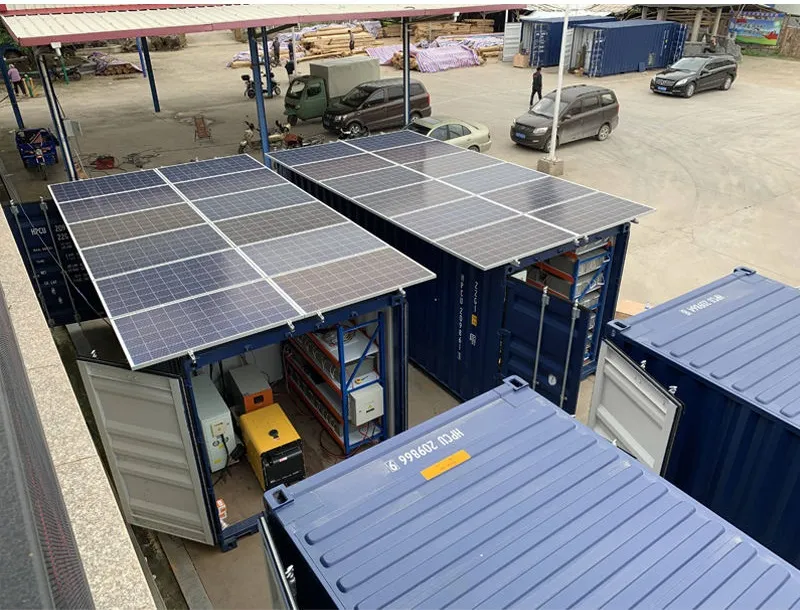
The Blue-Green Revolution: Merging Aquaculture with Solar Energy
Picture this: Floating solar arrays shimmering above thriving fish farms, turning sunlight into clean power while boosting seafood yields beneath the surface. This isn’t sci-fi – it’s the rapidly growing world of fishery-photovoltaic (FPV) complementary systems.
As China pushes toward carbon neutrality, these innovative setups are proving to be more than just niche experiments. From the rice paddies of Hubei to the tidal basins of Guangdong, FPV projects are reshaping how we think about land use, renewable energy, and sustainable food production.
But here’s the catch: getting these systems right demands precise installation techniques that balance energy capture with ecological harmony. When we partner with one-stop architectural solution providers , we’re not just slapping panels on water – we’re creating ecosystems where technology and nature boost each other.
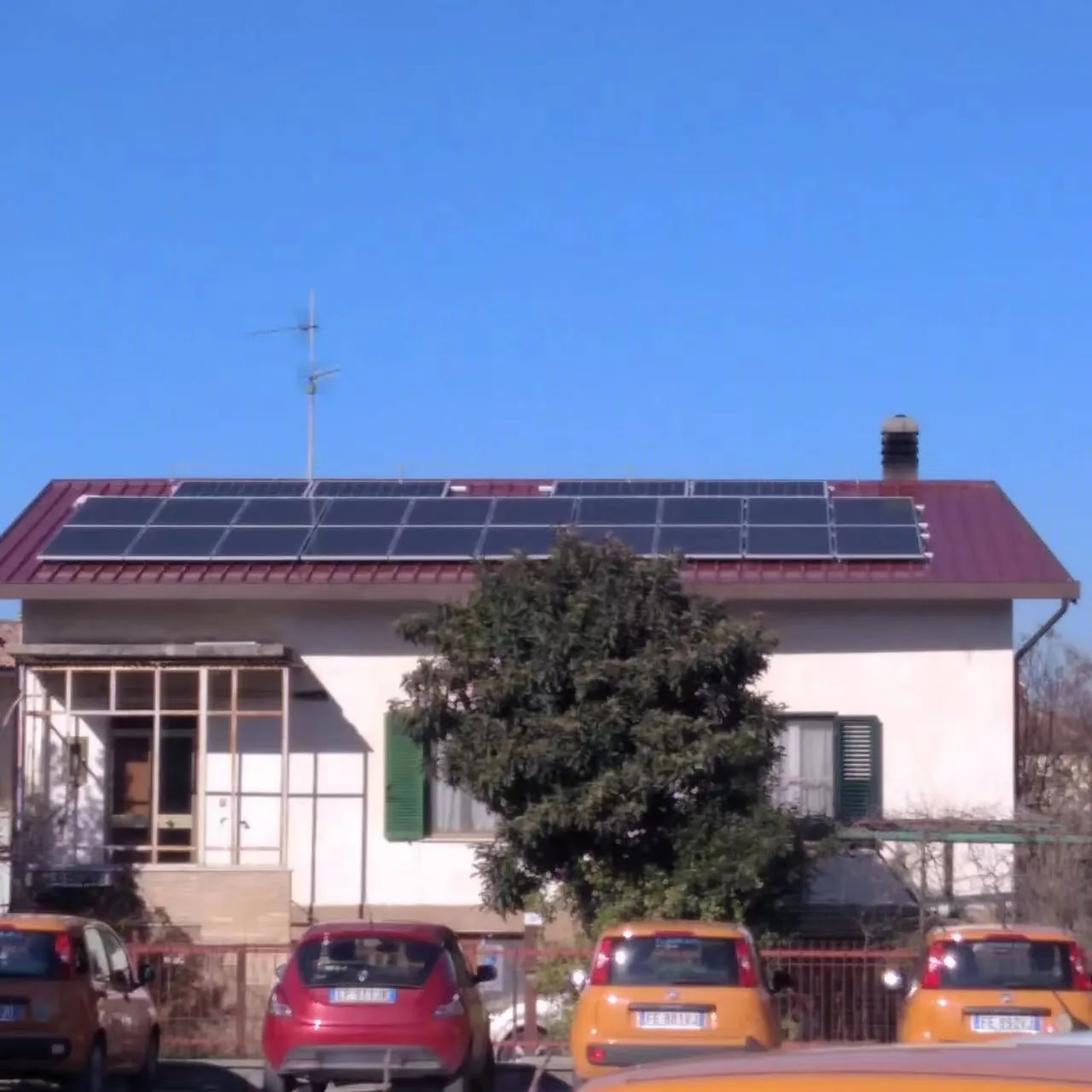
Where FPV Thrives Today: Hotspots and Lessons Learned
Yangtze River Basin: The Testing Ground
In Jiangsu province, FPV systems floating above carp ponds showed us how shade isn’t always bad. Sure, water temps dropped by 1-1.5°C under the arrays – but that actually kept fish from overheating during brutal summer heat waves.
The kicker? Dissolved oxygen levels dipped slightly (about 0.8 mg/L), but strategic spacing between panels let enough light through to maintain plankton blooms – the bottom of the aquatic food chain.
Pearl River Delta: Making Every Inch Count
Down in Guangdong, shrimp farmers partnered with solar developers to turn underperforming ponds into power generators. What blew engineers away? The land-saving math:
- Traditional solar farms need ≈3.66 hectares per megawatt
- FPV installations squeeze the same output into just 1.64 hectares
That's over 55% space savings – critical in regions where farmers, factories, and cities fight over every acre.
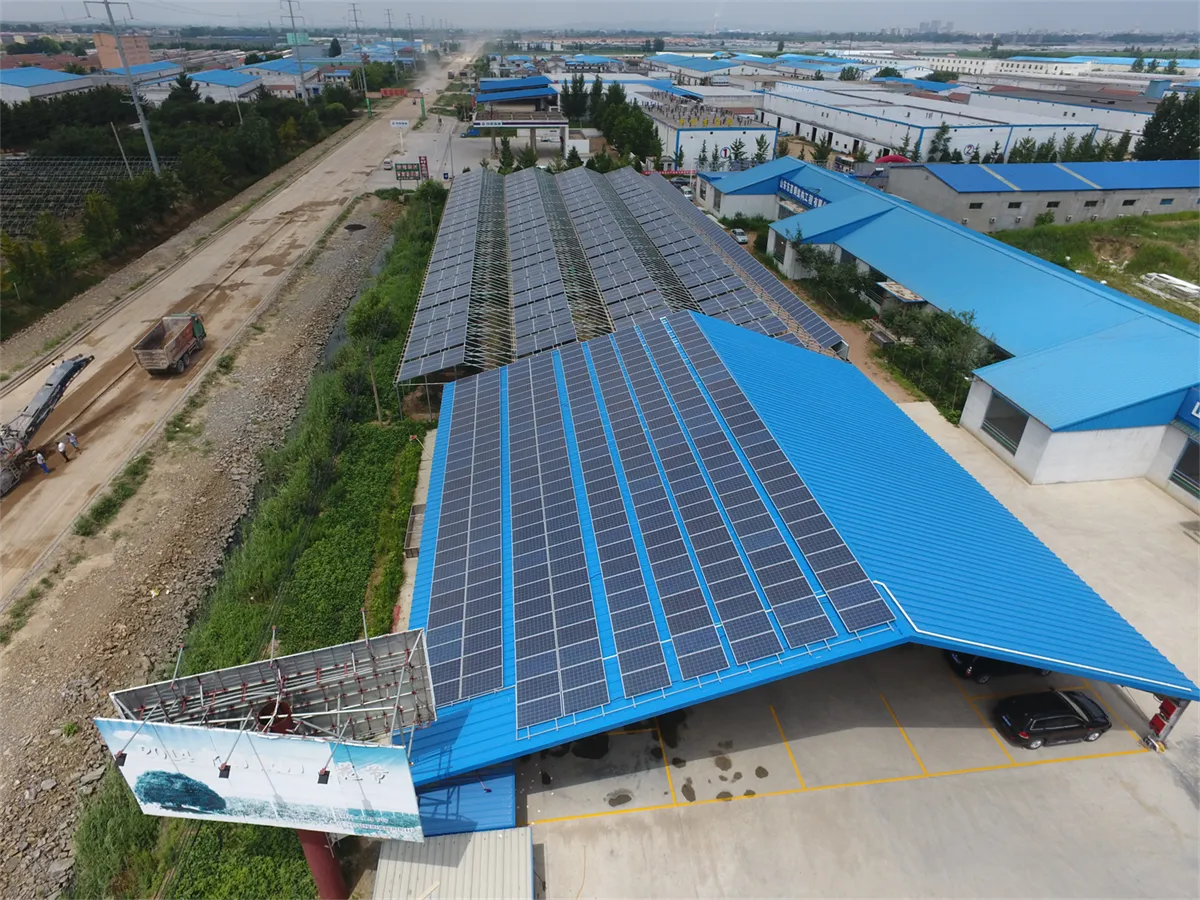
Walking the Ecological Tightrope
The biggest fear? That solar arrays might wreck delicate pond ecosystems. But field data shows something fascinating:
Water Chemistry: The Surprising Balance
| Parameter | Change Under Arrays | Effect |
|---|---|---|
| pH | ↓ 0.2 units | Better for acid-sensitive species like tilapia |
| Nutrients (N/P) | ↓ 0.08-0.02 mg/L | Helps prevent algal overgrowth |
| Ammonia | Slight increase | Mitigated by submerged aerators |
Life Under the Canopy
While zooplankton numbers took a 15-20% hit from reduced light, phytoplankton held steady. The winning strategy? Stocking shade-loving species like catfish that actually prefer dimmer conditions.
Bird populations did show avoidance behavior near larger installations – a reminder that eco-monitoring must continue post-installation.
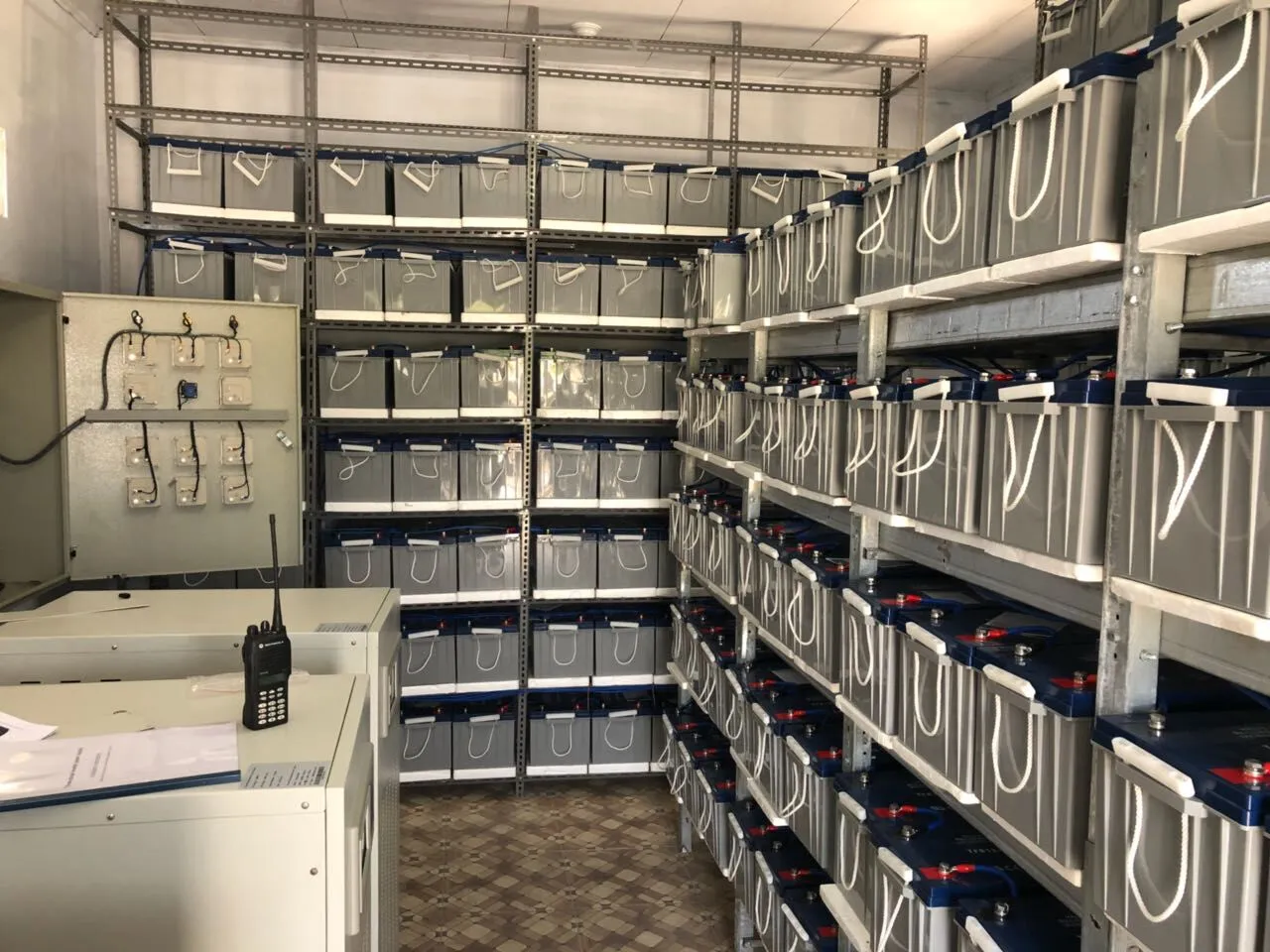
Dollars and Sense: Why Investors Are Biting
Let’s cut through the hype: FPV installations aren’t cheap upfront. Mounting systems that survive decades on water costs 20-30% more than conventional ground racks. But the payback math tells a compelling story:
Power Pays the Bills
Each megawatt of floating panels generates ≈1,200 MWh annually – enough to power 300 homes while cutting CO₂ by nearly 1,000 tons/year . With feed-in tariffs plus carbon credits, that's around $150K in annual revenue before selling a single fish.
Aquaculture Upsides
Reduced evaporation saves up to 30% on water costs. Temperature stabilization means faster fish growth rates – farmers report 5-8% yield bumps for species like grass carp. Combined with premium prices for "solar-grown" seafood, ponds often pay off in 6-8 years.
The Nuts and Bolts: Making Floats, Anchors, and Panels Play Nice
Floating Platforms That Don't Sink
Think HDPE plastic floats aren’t exciting? Try these innovations:
- UV-resistant formulations – withstand 10+ years of solar bombardment
- Interlocking geometries – snap together like puzzle pieces for rapid deployment
- Cable raceways – built directly into float bodies to prevent snags
We’re seeing aluminum-magnesium alloy frames gain traction too – lighter and stiffer than steel, though 15% pricier.
Solar Modules That Laugh at Humidity
Standard panels drown in FPV environments. Top performers feature:
- IP68-rated junction boxes completely waterproof
- Anti-PID (Potential Induced Degradation) coatings that fight moisture corrosion
- Dual-glass construction eliminating backsheet delamination
Fun fact: Testing panels mounted at 12° tilt angles showed self-cleaning rainfall effects – reducing soiling losses to under 2% annually.
Hold Fast: Next-Gen Anchoring
Chain-and-concrete blocks? That’s so 2010. Modern anchoring embraces:
- Helical screw anchors – Installed in minutes with vibration hammers
- Geotextile sand containers – Settle into pond bottoms over time
- Dynamic tensioners – Adjust automatically to water level changes
Blueprint to Reality: Xiantao City's Win-Win Project
In Hubei province, 2.4 MW of panels now float above 150 acres of fish ponds. Using PVsyst software simulations during planning turned potential headaches into successes:
Software Predicting Real-World Performance
| Challenge | Simulation Insight | Field Result |
|---|---|---|
| Wind loading | Predicted 23 m/s survivability | Weathered 2023 typhoon unharmed |
| Shading losses | Modeled 5.8% annual loss | Actual 6.2% loss – within margin |
| Water cooling effect | +3.1% efficiency boost | +3.7% measured gain |
Post-installation monitoring confirmed the economic trifecta: Fish yields held steady, water savings exceeded 25%, and power revenues topped profitability projections by year two.
Field Lessons: Dodging Common Pitfalls
The Slimy Surprise: Biofouling Wars
Early installations saw efficiency plunge as algae coated panels. Solutions evolved:
- Ultrasonic deterrents – low-frequency sound pulses keep organisms away
- Hydrophobic nano-coatings – make panels literally "slippery"
- Strategic stocking – algae-eating fish like tilapia reduce fouling naturally
Maintenance Made Manageable
Floating service platforms now feature:
- Non-slip decking with fall arrest points
- Built-in tool caddies and rinse systems
- Robotic cleaners moving on guide rails
Maintenance windows shrunk from days to hours – crucial when working around feeding schedules.
Coming Soon: Where FPV Goes Next
Beyond Today’s Floating Arrays
- Agri-PV hybrids : Solar panels mounted above rice paddies or cranberry bogs, doubling land productivity.
- Wave-damping designs : Platforms that absorb coastal wave energy while generating power.
- AI optimizers : Systems automatically tilting panels to balance light penetration for fish and energy capture.
Policy Tailwinds
China’s carbon neutrality targets are driving feed-in tariff premiums up to $0.11/kWh for floating solar. But regulatory frameworks must still evolve – current aquatic lease policies lag behind the tech.
The Water-Energy Nexus: Doing More With Less
Fishery-photovoltaic projects represent something bigger than clever engineering – they're blueprints for resilient coexistence. When we integrate solar installation technology with aquaculture expertise, we create systems that:
- Generate clean power without sacrificing farmland
- Boost fish yields through microclimate management
- Save increasingly precious freshwater resources
- Create circular economies where waste becomes input
The installations we’re field-testing today prove this isn’t theoretical. With thoughtful site selection, tailored aquatic stocking plans, and partnerships with one-stop architectural solution providers , FPV projects deliver triple-bottom-line wins.
As climate pressures mount and competition for land intensifies, these floating arrays offer more than kilowatt-hours – they demonstrate how technological humility, working with rather than against natural systems, might just save us all.










