
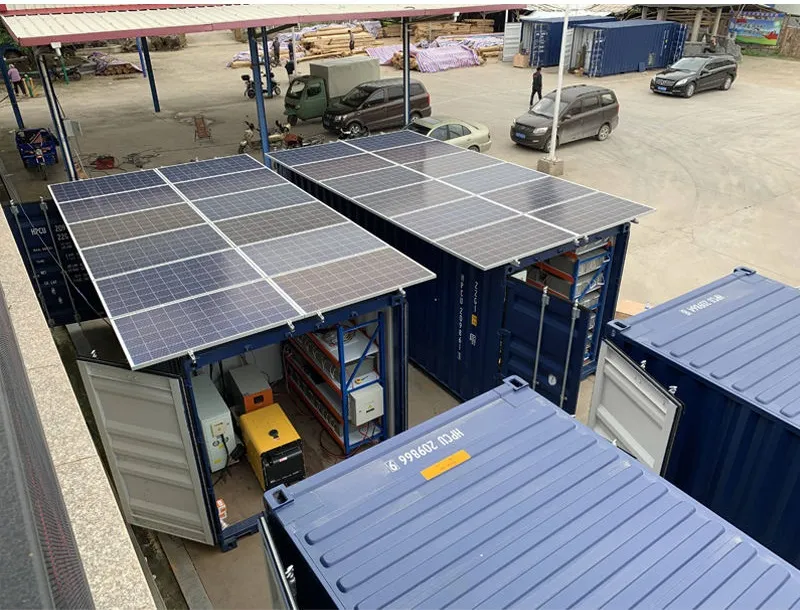
Picture this: you're sipping morning coffee while rain softly drums against the windows. Grey clouds blanket the sky, turning your neighborhood into a monochrome painting. At that moment, a question might drift through your mind—will my solar panels still work today? That nagging doubt in the back of your head isn't just imagination playing tricks; it's the solar industry's elephant in the room.
Most solar conversations focus on peak performance—that glorious midday moment when the sun sits high and proud. But reality looks different. Our days begin and end in twilight. Weather patterns dance across seasons. And for millions living where overcast skies are the norm rather than exception, conventional solar wisdom falls painfully short.
Key Insight: The most advanced residential solar power systems don't just tolerate low light—they've learned to extract value from every sliver of available illumination. The difference between frustration and satisfaction lies in understanding their hidden talents.
Throughout this exploration, we'll move beyond flashy manufacturer specifications that tout peak wattages. Instead, we'll uncover the subtle technological nuances that separate true all-weather performers from sunshine-only specialists. You'll discover why two identical-looking panels can deliver dramatically different outputs when the skies turn grey.
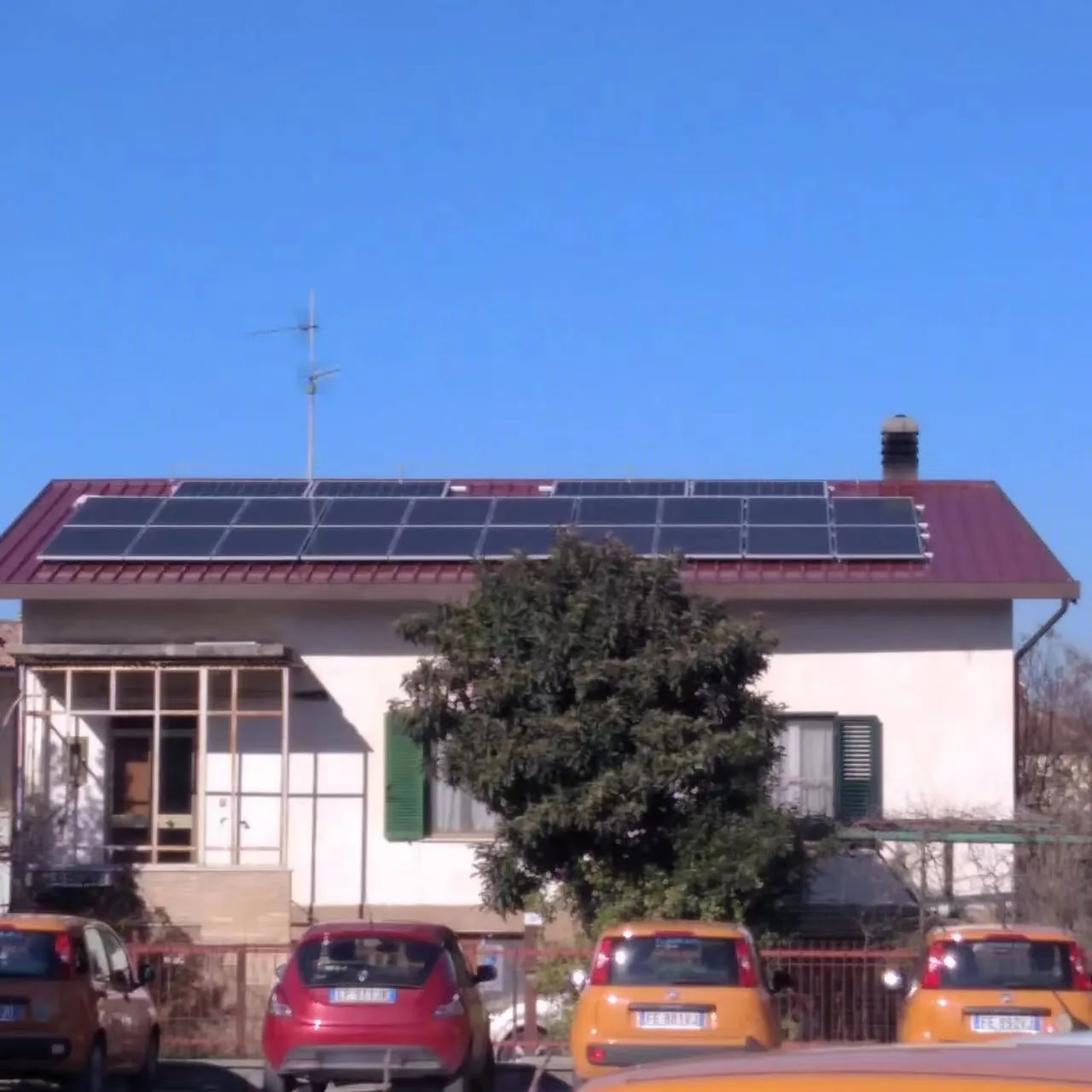
Before we dive into comparisons, let's establish what actually happens inside a solar panel when light diminishes. Contrary to popular belief, solar panels don't just "switch off" below certain brightness levels—their behavior changes in fascinating ways.
Think of voltage as the "push" behind electricity and current as the "flow." In bright sunlight, both work harmoniously. But under low-light conditions:
This phenomenon explains why micro-inverters (which optimize each panel individually) outperform string inverters in consistently cloudy areas. They focus on preserving what little current exists rather than averaging output across panels.
Did you know that up to 25% of solar energy reaching panels isn't visible to our eyes? It arrives as infrared radiation that persists even when clouds filter out visible light. This explains those surprising moments when your panels generate power on obviously cloudy days.
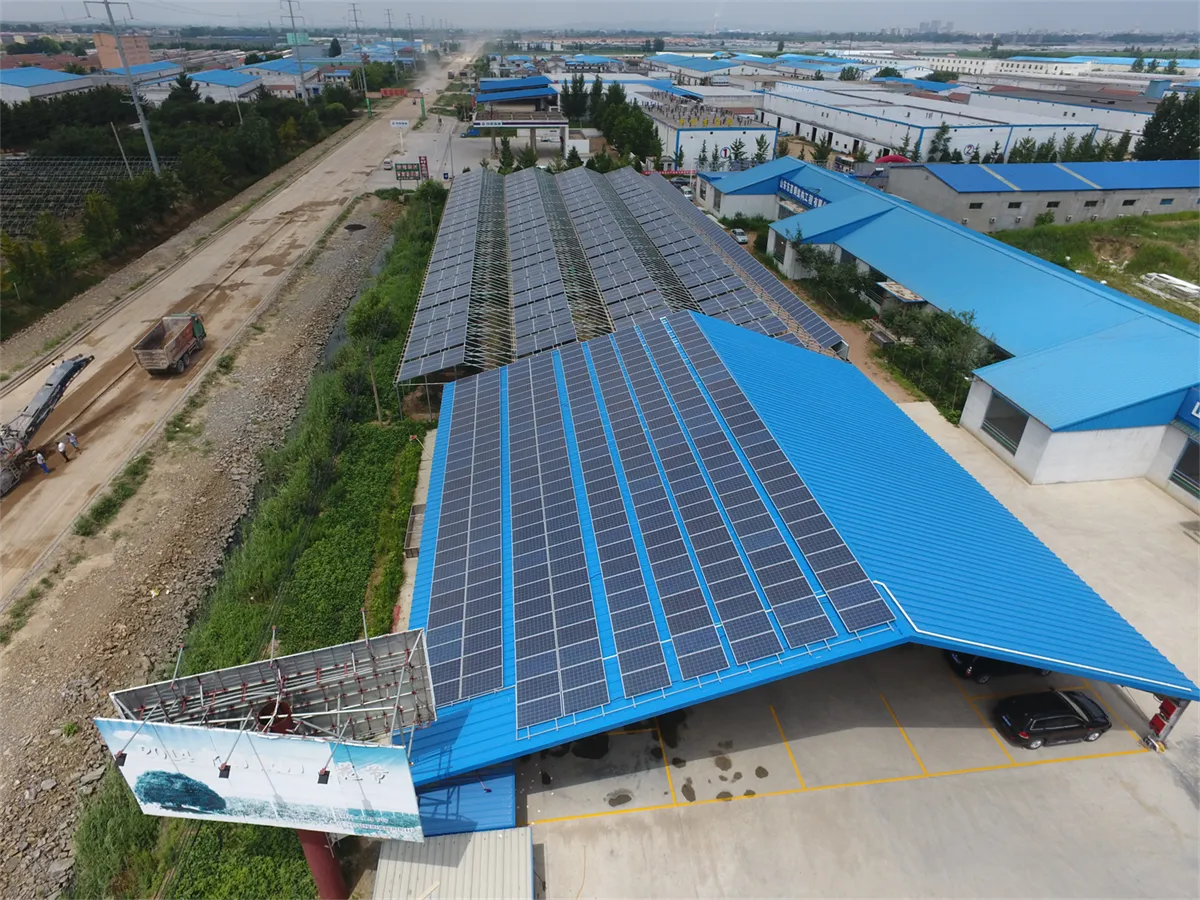
Solar isn't a monolith—different technologies behave as differently in cloud cover as dogs and cats do around vacuum cleaners. Let's examine the three main types:
| Panel Type | Low-Light Efficiency | Real-World Advantage | Cloudy Day Retention |
|---|---|---|---|
| Monocrystalline | ★★★★★ (High) | Highest electron mobility in silicon | 35-40% of peak power |
| Polycrystalline | ★★★☆☆ (Moderate) | Better temperature tolerance | 25-30% of peak power |
| Thin-Film | ★★★★☆ (Good) | Excellent diffuse light absorption | 30-35% of peak power |
The subtle differences matter more than you'd think. Monocrystalline panels leverage their pure silicon structure to extract energy from weak photons. Thin-film varieties actually gain an advantage at dawn/dusk due to superior spectral response. And polycrystalline? They offer compromise pricing but often disappoint when sunlight weakens.
Hidden Winner: While monocrystalline leads in raw numbers, thin-film panels frequently outperform expectations in real-world twilight conditions. Their secret? Capturing light that "ricochets" within cloud layers—something rigid silicon struggles with.
Solar innovation isn't stagnating—researchers are tackling the low-light challenge with clever solutions:
By moving all electrical contacts to the panel's rear, companies like SunPower eliminate front-side shading losses. The result? Up to 8% better dawn/dusk performance compared to conventional designs.
These nano-scale particles act like photon multipliers. They absorb high-energy light particles and emit multiple lower-energy particles that match silicon's sweet spot. Efficiency gains? Currently 3-5% but rapidly improving.
Double-sided panels capture reflected light bouncing off clouds or surroundings. In snowy regions or near light-colored surfaces, this increases overcast-day output by 10-15%.
Emerging technologies deserve attention, but practical innovation matters too. SolarEdge's power optimizers, for instance, reduce the impact of partial shading—critical when clouds drift across portions of your array.
Panel choice is crucial, but system design completes the puzzle. Implement these strategies for maximum cloudy-day performance:
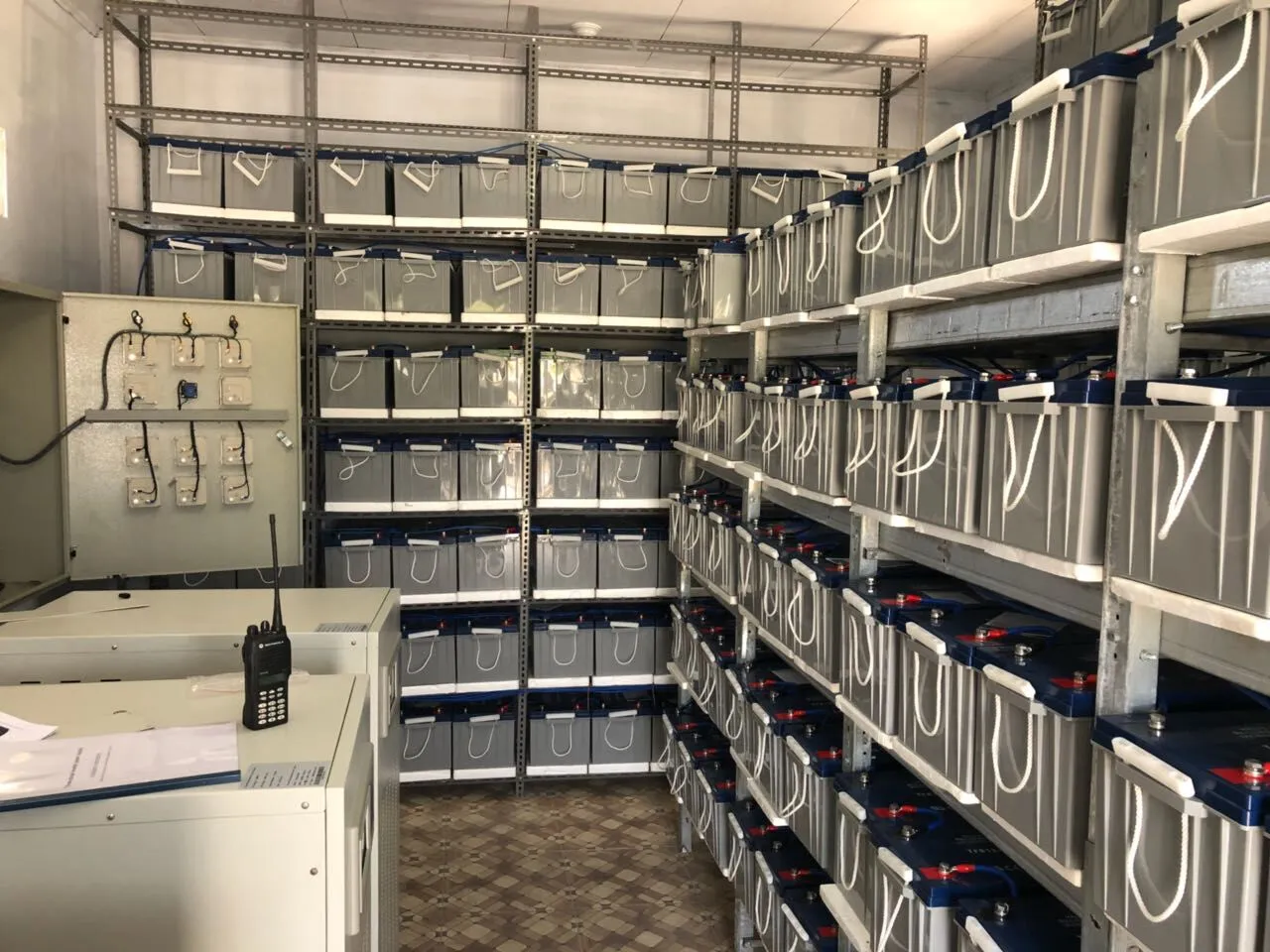
For regions like the Pacific Northwest or coastal Britain where overcast dominates, hybrid systems with battery storage transform solar viability. They bank surplus sunny-day energy precisely when it's needed most.
Which panels deliver when it matters? Extensive field testing reveals consistent top performers:
| Brand & Model | Low-Light Retention | Technology Edge | Ideal Regions |
|---|---|---|---|
| LG Neon R | 96.5% (industry leader) | Back-contact N-type cells | Coastal, Northern latitudes |
| Panasonic EverVolt | 94.8% | Heterojunction + back-contact | Mountains, variable climates |
| SunPower Maxeon | 93.7% | Copper foundation (no silver) | All regions (premium pricing) |
| REC Alpha Pure | 92.1% | HJT cell design | Budget-conscious cloudy areas |
These real-world champs share common DNA: N-type silicon (more light-sensitive than common P-type), fine-line printing that minimizes shading, and anti-reflective coatings that work equally well in haze or fog.
Pro Tip: Check datasheets for "Low-Light Coefficient" or "Shaded Performance" numbers. Values above 92% indicate serious low-light engineering. Anything below 88% struggles where cloudy days dominate.
Tomorrow's solar breakthroughs specifically target dim conditions. Perovskite-silicon tandem cells promise 30% efficiency gains in low light. MIT's transparent luminescent solar concentrators harvest UV light that penetrates cloud cover—potentially turning entire skyscrapers into low-light power plants.
Meanwhile, IoT-connected installations grow smarter. Imagine panels that dynamically reposition to chase illuminated cloud breaks, or systems that anticipate energy gaps and pre-charge batteries before storms arrive. This isn't speculative fiction; prototypes already exist.
The coming revolution matters beyond individual rooftops. As electric grids incorporate more solar, resilience during prolonged cloudy periods becomes critical for entire regions. The building-integrated photovoltaic sector particularly stands to benefit, promising architectural-grade solutions that excel despite weather challenges.
Selecting solar shouldn't be reduced to watts per dollar. True satisfaction comes from knowing your panels perform even when nature tries to hold them back.
Recommend Products












