


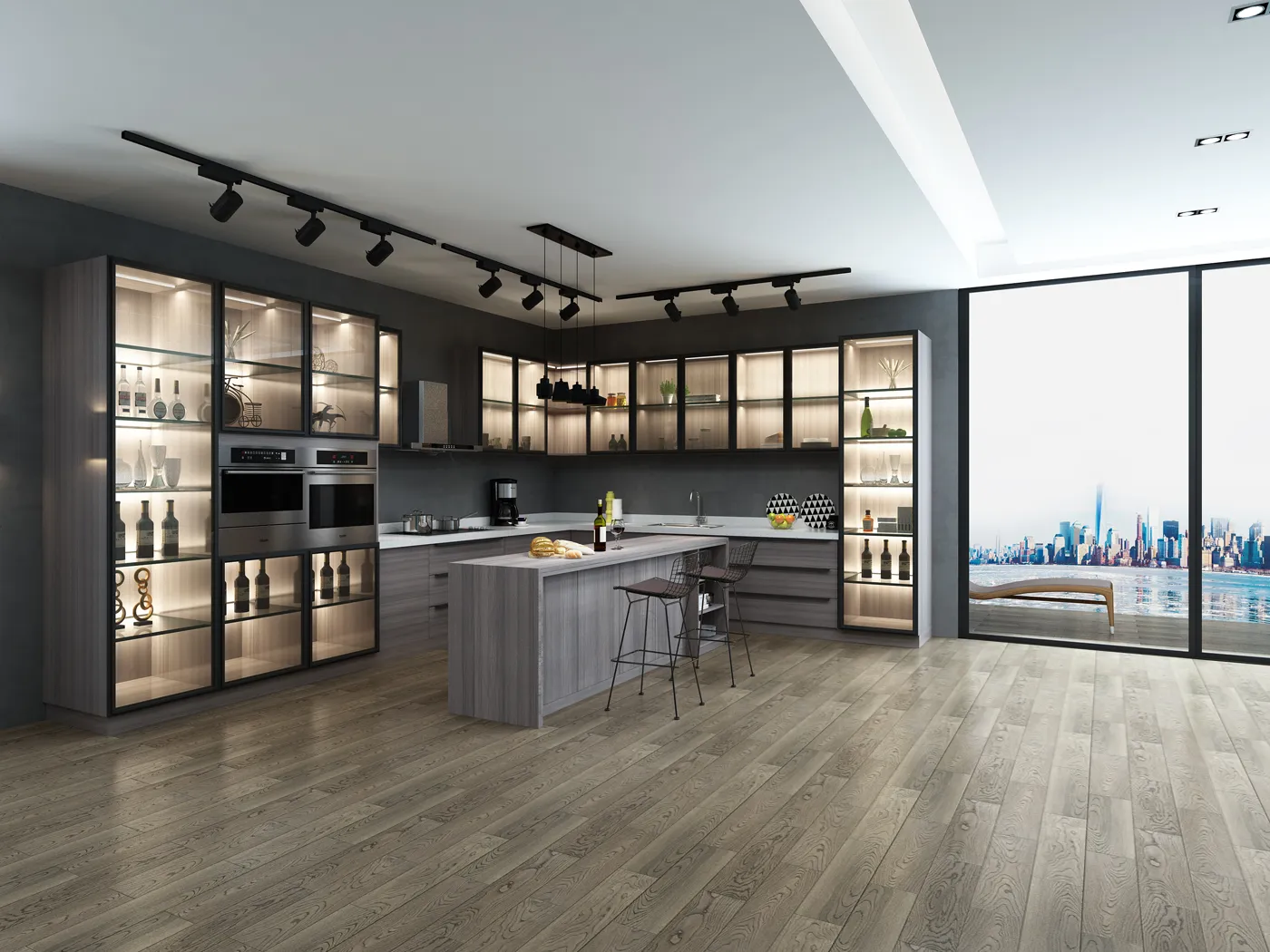
The heart of your kitchen deserves careful consideration – we explore how your cabinet material choice impacts durability, maintenance, and long-term satisfaction in your home sanctuary.
Walking into a kitchen showroom feels like stepping into a personality test. "I'm solid wood," declares the classic Shaker-style beauty with reassuring weight and earthy warmth. "Choose me," whispers the sleek plywood cabinet across the aisle, all crisp lines and modern appeal. Your head tells you plywood's practical; your heart yearns for wood's authenticity. But beneath the surface lies a real-life mystery: which material actually stands the test of time?
The Great Cabinet Material Face-Off
Let's meet our contenders properly. Solid wood is exactly what it sounds like – milled lumber from trees like oak, maple, or cherry. Think of it as that hearty wooden farmhouse table handed down through generations. Then there's plywood , the engineering marvel made by cross-layering thin wood veneers like a culinary mille-feuille pastry, glued together under extreme pressure.
Round 1: Stability & Daily Grind
| Solid Wood | Plywood | |
|---|---|---|
| Temperature Changes | Expands/contracts like breathing wood – gaps may appear over time | Cross-grain structure handles humidity swings like a seasoned yogi |
| Heavy Loads | Holds weight beautifully but shows stress at joints | Distributes weight evenly across layers – great for stacked dishes |
| Long-term Changes | Develops character marks but may warp unpredictably | Remains steadfast like your favorite coffee mug – reliable daily |
Here's where things get interesting: that humidity factor isn't theoretical. Open your dishwasher after a cycle and feel that steam? Plywood absorbs moisture gradually throughout its layers, while solid wood drinks it unevenly – creating those frustrating cabinet doors that suddenly won't close properly come summer.
Round 2: The Moisture Marathon
Kitchens are moisture battlegrounds. Splash zones near sinks, steam from boiling pasta, the dreaded under-sink cabinet – they all test cabinet endurance. Plywood's layered construction gives it natural protection against warping. Solid wood, while stunning, behaves more like that paperback left in the bathroom – it'll absorb moisture unevenly, potentially warping or cracking.
Round 3: The Installation Experience
Ever lifted a solid wood cabinet? They have substance. That weight impacts installation:
- Solid Wood: Feels substantial – professional installation strongly recommended. That beautiful heft becomes a liability in DIY scenarios.
- Plywood: Significantly lighter – friendlier for DIYers. Cabinet boxes snap together easier like well-designed puzzle pieces.
But what about repairs? Fixing a scratch on solid wood is like touching up antique furniture – possible but never perfect. Plywood's thin surface veneer makes deep damage trickier to camouflage without looking like, well, damaged laminate.
The Custom Furniture Connection
When planning your kitchen layout, remember that cabinet durability connects directly to another essential aspect: custom furniture integration. Built-in breakfast nooks and pantry organizers should coordinate not just visually, but structurally with your cabinet choices.
Solid wood harmonizes beautifully with custom oak tables or mahogany hutches – the materials age together gracefully. Plywood integrates with modern built-ins more functionally, especially for those clever pull-out systems that utilize every inch of kitchen real estate.
Round 4: Cost Over a Lifetime
| Solid Wood | Plywood | |
|---|---|---|
| Initial Investment | $350-600/linear ft | Typically 20-30% less |
| Resale Value | Boosts home value like granite counters | Perceived as "standard" by buyers |
| Maintenance Cost | Annual sealing, potential repairs | Mostly just cleaning with occasional resealing |
| Unexpected Expense | Door replacements if warped | Full cabinet if water damage occurs |
The Verdict: Durable Doesn't Mean the Same Thing to Everyone
After watching these materials go twelve rounds in the kitchen arena, here's the honest truth: both can be exceptionally durable with proper care . But "durability" looks different depending on your lifestyle:
- Plywood Wins for: Busy households, humid climates, consistent modern aesthetics, budget-conscious renovations.
- Solid Wood Excels in: Dryer environments, homes with character, heritage renovations, situations where natural aging adds value.
I once helped a client who'd agonized over this decision for months. She went with solid wood for the visible doors "to feel them every morning" and plywood for all the cabinet boxes – the best durability compromise. Two years later? Still thrilled. Her cabinets work as hard as she does, adapting to holiday cooking marathons and daily lunch-packing sprints.
Wrapping Up: Practical Wisdom
Before you decide, press your hand against cabinet samples. Consider how often you reorganize drawers and whether cabinet doors endure your hip-bumping while washing dishes. Talk to people who've lived with both materials for at least five years.
Exceptional durability comes not just from the material, but from understanding how it lives in your particular kitchen . Treat plywood well and it'll serve you faithfully. Honor solid wood's nature and it becomes an heirloom. Because truly durable cabinets aren't just wood or layers – they're the ones that still make you smile when you open them years later.










