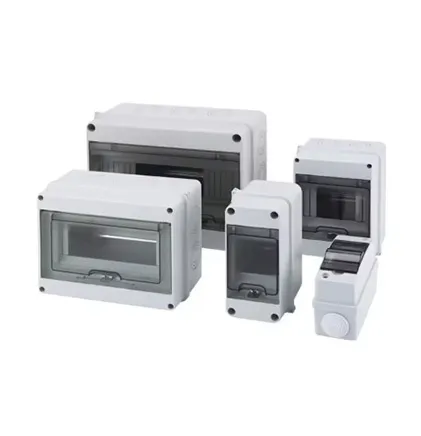
When a project depends on clean, reliable power, few parts matter more than the distribution box. Also called a distribution panel or breaker box, it takes a single incoming supply and routes it safely to multiple circuits, protecting wiring, equipment, and people from overloads and short circuits. Choose the wrong manufacturer and the whole installation carries an avoidable risk. Choose the right one, and every downstream circuit keeps working quietly for years. This guide explains where to look for distribution box manufacturers in China, and how to shortlist candidates quickly and confidently.
Why China is where buyers start
China now hosts one of the densest clusters of electrical enclosure and switchgear production in the world. That density means real choices: you can source standard enclosures off the shelf or negotiate custom configurations and production volumes that smaller regional mills simply cannot support. The breadth of the market is an advantage, but it also makes the search harder. Knowing where suppliers are and how they operate is the difference between weeks of wasted inquiry calls and a short, credible shortlist.
Where to find manufacturers
There are four practical routes, and most experienced buyers combine them:
- B2B platforms. Marketplaces such as Alibaba and Made-in-China are the fastest way to scan hundreds of factories. Filter for verified factory status, ISO certificates, and supplier response time, then contact several in parallel.
- Industry trade shows. Events like the Canton Fair in Guangzhou let you inspect enclosures, open panels, and talk to engineers face to face. It is the most reliable way to judge build quality before committing volume.
- Factory-direct and one-stop suppliers. Many buyers skip fragmented sourcing entirely and work with a single building materials supplier that can deliver a distribution box alongside the pipes, cables, lighting, and other electrical fixtures the project needs. One purchase order, one quality team, one delivery schedule.
- Referrals from engineers or local agents. A project engineer who has commissioned similar plants can usually name two or three factories that performed well in the field. Ask how long the supplier took to replace a faulty part, not just how cheap the first order was.
What separates a top supplier from a mediocre one
Price matters, but it should come after quality, compliance, and service. When you evaluate a distribution box supplier, put these five points at the top of the checklist:
- Certifications and standards. Ask for documentation for ISO 9001 quality management and the relevant product standards for your market, such as IEC 60670 or IEC 61439, CE, UL, or RoHS. A serious factory supplies third-party test reports on flame retardancy and impact strength without being asked twice.
- Materials and build quality. Check whether the enclosure uses corrosion-resistant steel or aluminum alloy, whether the powder coating is even, and whether the box carries the right ingress protection rating for its installation site. Outdoor and industrial enclosures need a noticeably different spec than a clean indoor residential box.
- Customization capability. Projects rarely line up with a standard catalogue. Look for a manufacturer that can adjust panel configurations, circuit counts, enclosure dimensions, in-feed metering, and even legible custom labeling to match your drawings.
- Electrical safety design. A good box has properly sized busbars, solid earth continuity, adequate electrical clearance, and the option to add surge protection. Ask the supplier to walk you through the internal layout and explain how heat is managed inside the enclosure.
- After-sales and lead time. Confirm realistic production windows, which components they keep in stock, and exactly how warranty and replacement requests are handled. Fast, clear communication through a designated contact is a stronger signal than a friendly sales pitch.
Shortlist in three steps
Narrow the field the same way a professional procurement team does:
- Ask for itemized quotations. Request a breakdown listing the brand and model of every breaker, busbar, and terminal. This exposes hidden differences in component quality and lets you compare suppliers on the same basis.
- Request samples. Before any large order, have a sample box shipped and inspected against your specification. This is the cheapest insurance you can buy.
- Sign a technical agreement. Fix the acceptance tests, the quality scope, the warranty terms, and the response time in writing. What is written is remembered; what is only promised is forgotten.
Why a one-stop supplier is worth considering
A China electrical distribution box is rarely the only item on a construction order list. When the same project also needs pipes and fittings, cables, switches and sockets, lighting, sanitary fixtures, and doors and windows, consolidating with a one-stop building materials supplier removes a large share of the coordination burden. COLORIA GROUP is one such supplier. In addition to the distribution box, its Electrical Fixtures and Cables range is backed by a broad catalogue spanning walls, flooring, ceilings, customized furniture, home and kitchen appliances, and more, and the company maintains an overseas agent in Saudi Arabia to support regional projects. One order, one quality standard, and one delivery schedule can save far more than the small price difference between scattered vendors.
The bottom line
Finding the top distribution box manufacturers in China does not require a long list of names so much as a clear method. Look on the right platforms, verify certification and build quality, test samples, fix terms in writing, and treat after-sales support as part of the product itself. Do that, and whether you buy from a global brand or a dedicated one-stop supplier such as COLORIA GROUP, you will spend less time firefighting electrical problems and more time completing your project on schedule. Start by defining your specification, then evaluate candidates against it, and the right factory will become obvious.