
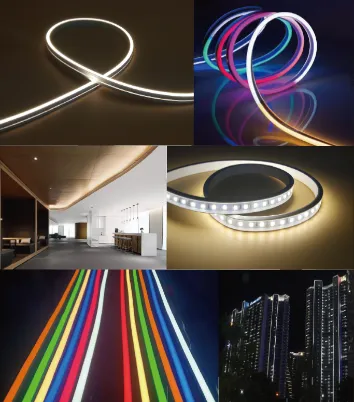
Strip lights have become one of the most versatile lighting solutions in modern interior design. Whether you are looking to add ambient glow to a ceiling cove or need practical task lighting under kitchen cabinets, the right strip light can transform a space. But with so many options on the market, where should you actually source quality strip light solutions? This guide walks you through the types, selection criteria, and reliable sourcing channels for cove and under-cabinet strip lighting.
Cove lighting and under-cabinet lighting serve different purposes, and the strip light you choose should match the application.
Cove lighting is typically installed in recessed ledges, crown moldings, or ceiling trays to create indirect, upward-directed illumination. It adds depth and a soft, luxurious feel to living rooms, hallways, and commercial lobbies. Because the strip is hidden from direct view, uniformity of light output matters more than the fixture's appearance.
Under-cabinet lighting, by contrast, is task-oriented. It illuminates countertops in kitchens, workbenches in workshops, and display shelves in retail environments. Here, brightness, color accuracy, and glare control are the priorities. Many users also prefer dimmable options to adjust the light level based on the time of day or activity.
When sourcing strip light solutions, understanding the core technologies helps you make the right choice:
| Technology | Key Feature | Best For |
|---|---|---|
| SMD 2835/5050 | High brightness, cost-effective | General cove and under-cabinet use |
| COB (Chip on Board) | Seamless dot-free light line | Premium cove lighting with visible strips |
| RGB / RGBIC | Multi-color with individual control | Decorative cove, hospitality, retail displays |
| Tunable White (CCT) | Adjustable from warm to cool white | Kitchens, offices, spaces needing flexible ambiance |
| Side-Emitting | Light projects sideways from strip edge | Shallow coves, backlighting panels |
For under-cabinet task lighting, aim for at least 450–600 lumens per linear foot. Cove lighting can be lower — around 200–350 lumens per foot — since it serves an ambient rather than functional role. Always check the lumen output per foot or meter, not just the total for the reel.
Color temperature dramatically affects the feel of a room. Warm white (2700K–3000K) creates a cozy, inviting atmosphere suitable for residential coves and living spaces. Neutral white (4000K–4500K) works well in kitchens and bathrooms. Cool white (5000K–6500K) delivers crisp, alert illumination preferred in commercial kitchens, workshops, and retail displays.
Indoor cove and under-cabinet applications typically need IP20-rated strips. However, if the installation is near a sink, in a bathroom, or in a humid climate, IP65 or higher is recommended. For outdoor coves on patios or building facades, IP67 or IP68 waterproof strips are essential.
Both 12V and 24V LED strips are widely used. A 24V system experiences less voltage drop over long runs, meaning consistent brightness across the entire length. For cove lighting that spans more than 5 meters (16 feet), 24V is the better choice. For shorter under-cabinet runs, 12V works perfectly and is often more affordable in terms of driver cost.
Most quality strip lights feature marked cut points every 1–2 inches (25–50mm), allowing precise length customization. When buying in bulk, confirm that compatible connectors, end caps, and mounting clips are included or available from the same supplier to avoid compatibility issues during installation.
For contractors, project developers, and wholesale buyers, sourcing directly from established manufacturers offers significant advantages in pricing, customization, and quality control. Many of the world's leading led strip light manufacturers china operate advanced production facilities with rigorous testing protocols.
When evaluating a supplier, look for these indicators of reliability:
Pro Tip: When sourcing strip lights for large-scale projects, request LM-79 or LM-80 test reports from the manufacturer. These independent photometric and lumen maintenance tests verify that the product performs as specified and will maintain brightness over its rated lifespan.
Clean the mounting surface thoroughly with isopropyl alcohol before applying adhesive-backed strips. Dust, grease, or moisture will compromise adhesion. For porous surfaces like unpainted wood or rough drywall, use aluminum mounting channels with the included clips for a secure, professional installation.
For cove lighting where the strip may be partially visible, using an aluminum profile with a frosted diffuser creates a clean, continuous line of light and improves heat dissipation. The profile also protects the strip from dust accumulation, which can degrade light output over time.
Calculate the total wattage of your strip light run, then select a driver rated for at least 20% more than the total load. This overhead prevents the power supply from running at maximum capacity continuously, which extends its lifespan. For example, if your strips draw 80W total, use a 100W or larger driver.
Plan cable routing before installation. For under-cabinet lighting, run wires through the cabinet interior or along the underside edge where they remain hidden. For cove installations, place the driver inside the cove cavity or in an adjacent accessible space such as a closet or attic.
Yes. Many manufacturers offer custom-cut lengths and pre-soldered lead wires to match your exact specifications. This service is especially valuable for large-scale projects where on-site cutting would be time-consuming and inconsistent. When placing a bulk order, provide a detailed cutting list to the supplier for accurate quoting.
Standard catalog products typically ship within 7–15 days. Custom orders — including specific color temperatures, non-standard PCB widths, or custom packaging — may require 15–30 days depending on the specification complexity and order volume. Always confirm lead times in writing before finalizing your project schedule.
Request a sample order first. Test the samples for brightness uniformity, color consistency across the full reel, adhesive quality, and ease of cutting and reconnecting. Also check that the specified wattage and lumen output match the actual performance. A reputable supplier will have no issue providing samples for evaluation.
Finding the right strip light solutions for cove and under-cabinet lighting comes down to matching the product technology to the application, verifying supplier credentials, and planning the installation carefully. Whether you need warm ambient glow for a residential ceiling cove or bright, color-accurate task lighting for a commercial kitchen, starting with a reliable sourcing partner makes all the difference.
For contractors, developers, and procurement professionals managing multi-category building projects, working with a comprehensive supplier that covers lighting alongside walls, flooring, sanitary fixtures, furniture, and appliances can streamline the entire supply chain. This integrated approach reduces logistics complexity and ensures consistent quality across all material categories.
Recommend Products












