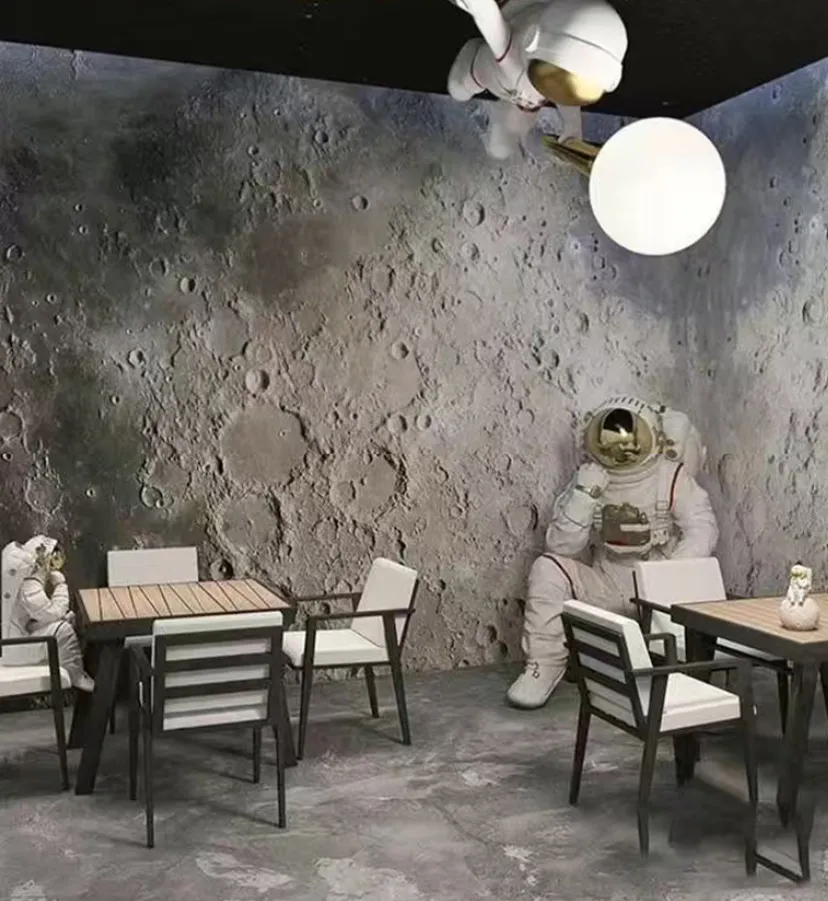
Fun fact: You've likely seen moon rocks without knowing it! NASA loaned samples to museums worldwide, while private lunar meteorites trade hands daily. The moon isn't as inaccessible as you'd think.
Moon rocks have fascinated humanity since we first looked at the night sky. For years, owning a piece of our celestial neighbor felt like science fiction – reserved for astronauts and billionaires. But let's clear the lunar dust off this topic: While owning official Apollo samples remains near-impossible,
lunar meteorites offer a surprisingly accessible path
. These natural fragments travel to Earth via cosmic happenstance, and they're traded legally in markets most people don't know about. Whether you're a space enthusiast, a geology buff, or someone dreaming of owning a tangible piece of the cosmos, affordable options
do
exist.
What Are Moon Rocks Exactly?
When we say "moon rocks," we're talking about two distinct things. First: Apollo mission samples (842 pounds brought back by NASA). Second: meteorites knocked off the moon that fell to Earth naturally. The former? Nearly impossible to own legally. The latter? Available if you know where to look. They share identical mineral composition to Apollo samples, but their journey to Earth involves cosmic violence rather than human engineering.
Unexpected Places Moon Rocks Hide
Think only museums have them? Think again! You might have walked past moon fragments without realizing:
-
Public Displays
: Over 135 countries display goodwill samples like the 3.6 billion-year-old "Moon Window" at the Vatican Museums
-
Universities
: Harvard's mineral collection has small fragments for student research
-
Private Collections
: Space enthusiasts own fragments passed down through generations
-
Auctions
: Sotheby's has sold fragments as small as rice grains for under $500
Even your high school science lab might have a slice! NASA's educational loan program circulates fragments about the size of pencil erasers to qualifying institutions.
Affordable Lunar Meteorites: The Smart Choice
Forget Hollywood myths - owning a piece of the moon won't bankrupt you. While authentic Apollo fragments range around $2.5 million per gram, lunar meteorites offer accessibility:
You could land a verified fragment for under $300 if you shop smart. An eBay search shows over 800 listings like NWA 11474 fragments going for $250-$500 per gram. For perspective? That's cheaper than many premium whiskies or designer shoes! As Mike Reynolds of the Meteoritical Society told Space.com:
"Lunar meteorites democratize space ownership."
You're not paying for hype but cosmic history.
Where the Deals Hide
Bargains surface in unexpected places:
-
Collector Groups
: Private communities like the IMCA offer "new find" discounts before public listings
-
Auctions
: Christie's sold a 3.1-gram lunar fragment for $2,200 in 2021 – way below estimates
-
Gem Shows
: Vendors at Tucson's annual show often have unmarked specimens priced well
-
University Sales
: Some geology departments deaccession fragments through public sales
The key? Building relationships in niche collector circles. As Denver meteorite dealer Brian Warner noted: "The best prices go to trusted regulars."
Pro tip: Reputable dealers like Aerolite Meteorites offer installment plans, making purchases under $1,000 surprisingly manageable.
Safety First: Avoid Scams
The market teems with fakes. Follow this authentication checklist:
-
Certificate
: Must include lab verification number traceable to databases
-
Provenance
: Requires documented history of custody like court records for stolen fragments
-
Magnetic Test
: Lunar meteorites contain trace iron that weakly responds to magnets
-
Microscopic Analysis
: Regmaglypts (thumbprint-like indentations) prove atmospheric entry
Reputable sellers provide all documentation upfront. As the team at Galactic Stone reminds: "If they hesitate on paper trails, run!"
Creative Display Options
Protect your investment while showing it off:
-
Professional Mounting
: UV-blocking acrylic cases prevent deterioration ($75-$200)
-
Interactive Displays
: Pair with a USB microscope for inspecting lunar vesicles
-
Digital Records
: Create NFC-linked certificates showing full scientific analysis
-
Lighting
: Fiber-optic lighting reveals the glassy fusion crust beautifully
For inspiration, see collector Marcus Johnson's setup: "I keep mine in a humidity-controlled cabinet next to my grandfather's telescope. It creates an astronomy timeline."
Why Moon Rocks Matter Now
Beyond personal fascination, lunar samples offer material research critical for future missions. NASA recently contracted companies like Lunar Outpost to analyze fragments for developing better
building materials for lunar habitats. This intersection of celestial resources and terrestrial applications positions moon rocks as both history and future technology.
Final Reality Check
While true Apollo mission moon rocks remain inaccessible, lunar meteorites offer a legitimate path to space ownership. Average cost? $50-$500 per gram for fragments weighing under 0.5 grams – smaller than a ladybug but containing cosmic history.
Start small: Look for verified specimens at collector expositions, connect with established dealers, and always demand the paper trail. Remember: You're not just buying a rock. You're becoming part of humanity's enduring relationship with our celestial neighbor.
As lunar expert Dr. Sarah Noble at NASA Goddard says: "Each fragment tells the story of Earth-moon connection. When you hold one, you're holding 4.5 billion years of cosmic history." That connection? Priceless.