
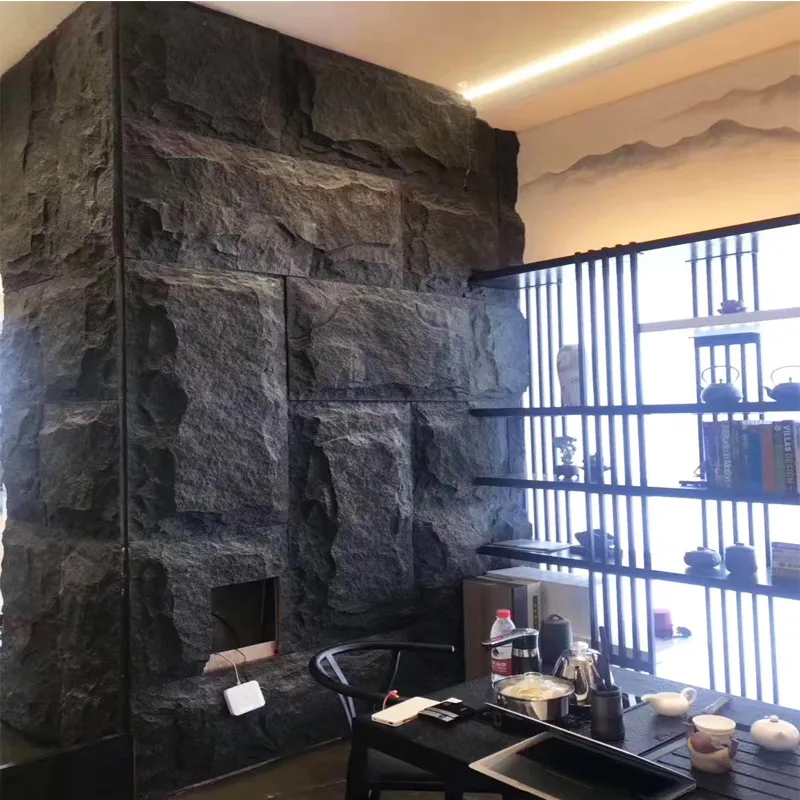
Let me start by saying—if you're here, you probably already know what mushroom stone is, or at least you've fallen for its charm. That rough, textured surface that looks like it was plucked straight from a forest floor, with edges that curve and dip like mushroom caps? Yeah, that's the stuff. It's the kind of material that turns a plain wall into a conversation starter, or a backyard patio into a cozy, rustic retreat. But here's the thing: while mushroom stone is stunning, hunting it down without breaking the bank can feel like searching for a needle in a haystack. I've been there—scouring websites, visiting warehouses, haggling with suppliers—and I'm here to share what I've learned. Let's dive in.
Before we talk about where to buy it, let's make sure we're on the same page. Mushroom stone (sometimes called "mushroom rock") is a type of natural or engineered stone that gets its name from its unique shape: the surface is bumpy and uneven, with rounded edges that mimic the look of mushroom caps clustered together. It's usually made from materials like granite, limestone, or sandstone—natural stones that are split or chiseled to create that signature texture. Some suppliers also offer engineered versions, made by mixing stone aggregates with resins, which can be more budget-friendly and consistent in color.
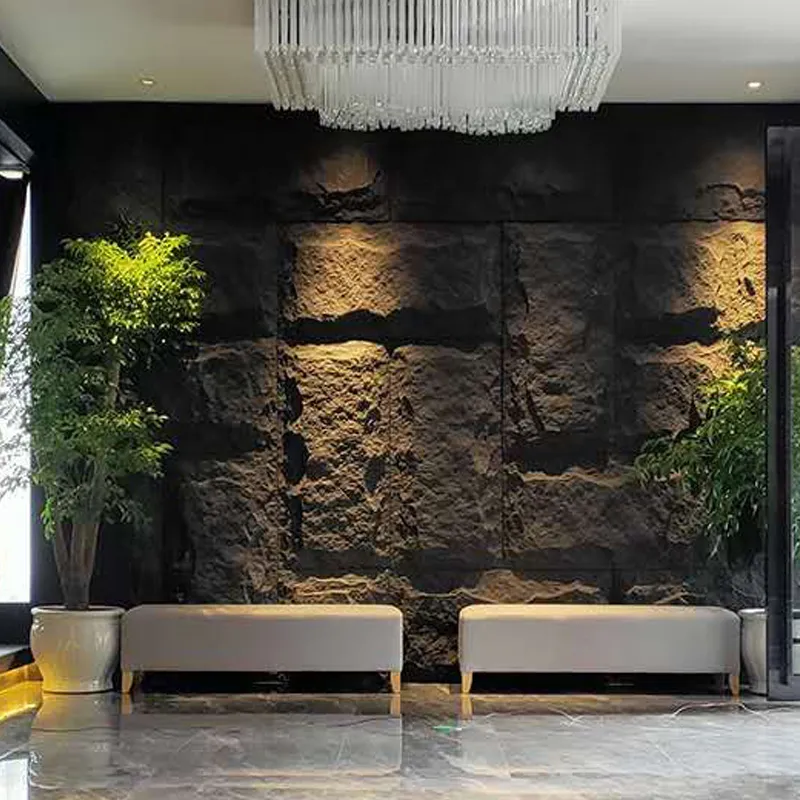
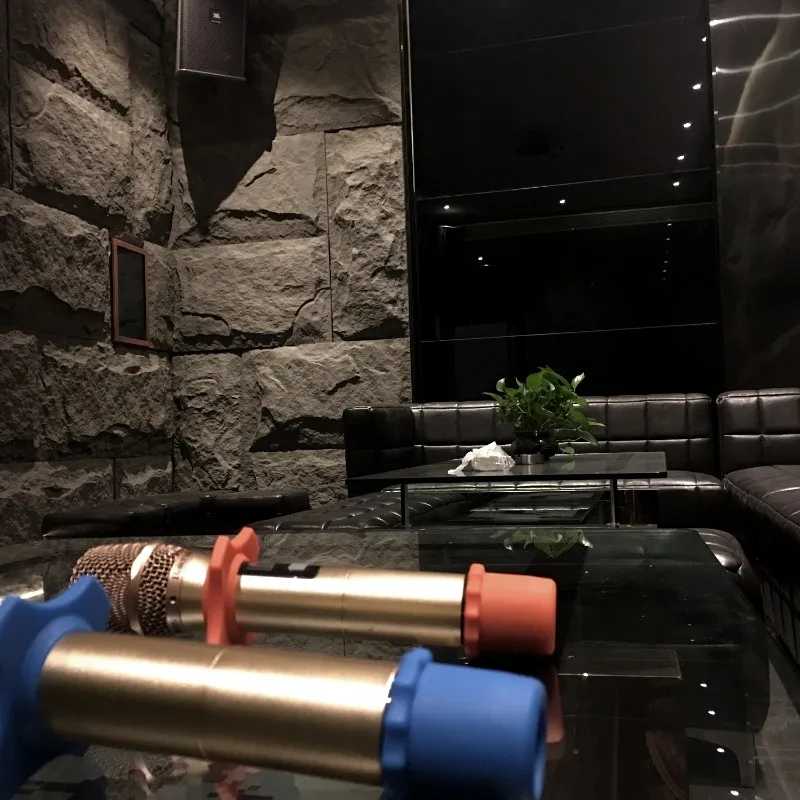
Why do people love it? Simple. It adds warmth. A wall clad in mushroom stone doesn't just "look nice"—it feels lived-in, like it has a story. It works indoors (think accent walls in a living room or a rustic kitchen backsplash) and outdoors (exterior facades, garden paths, or fireplace surrounds). And here's the bonus: it's tough. Natural mushroom stone can stand up to rain, wind, and even the occasional kid with a skateboard. So if you're investing in it, you're not just buying a pretty face—you're buying durability, too.
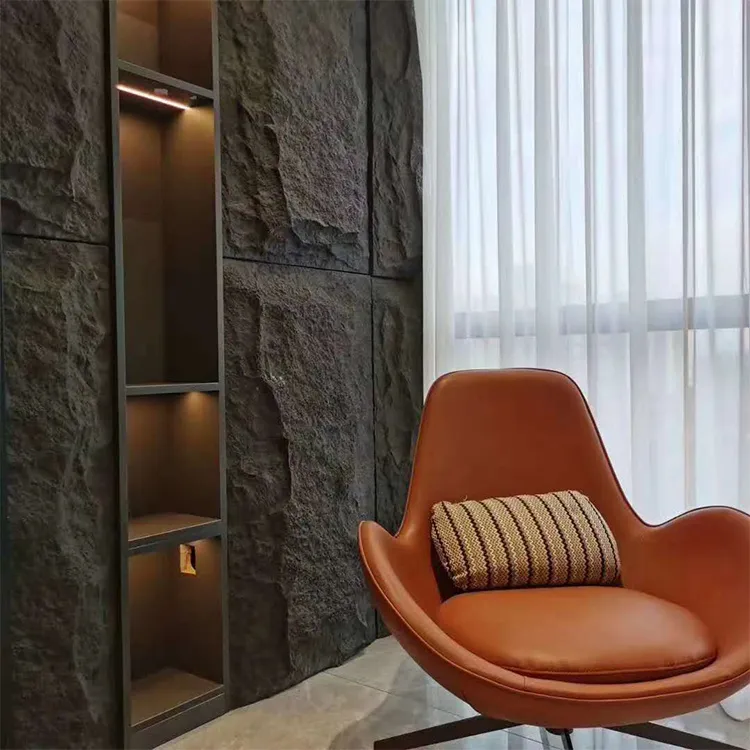
You might be wondering, "If it's so popular, why isn't it everywhere for cheap?" Great question. The truth is, mushroom stone's price tag depends on a lot of things. First, the material: natural stone (like granite or sandstone) is pricier than engineered versions because it's mined, cut, and shaped by hand. Then there's the size—bigger slabs cost more than smaller, modular pieces. And let's not forget the supplier factor: some sellers mark up prices because they're middlemen, not the actual producers. So finding a mushroom stone supplier who balances quality and cost isn't as hard as it sounds, but it does take a little know-how.
I've spent hours digging into this—talking to contractors, scrolling through supplier sites, even visiting a few stone yards myself. Here are the most reliable spots to find mushroom stone without emptying your wallet.
Let's start close to home. Every town (or at least every region) has a building material supplier—you know, the big warehouses with rows of stone samples, stacks of lumber, and that faint smell of sawdust in the air. These places are gold for a few reasons. First, you can see the stone in person. Pictures online can be deceiving—what looks "rustic" in a photo might be too smooth or too dark in real life. At a local supplier, you can run your hand over the texture, hold up samples to your wall color, and even ask to see larger batches to check for consistency.
Second, shipping costs? Practically nonexistent. If you're picking up the stone yourself or having it delivered from across town, you're not paying for a truck to haul it from another state (or country). And third, local suppliers often have relationships with regional quarries or manufacturers. That means they might be able to get you better prices than a big-box store, especially if you're buying in bulk.
Pro tip: Don't just walk in and ask for "mushroom stone." Say something like, "I'm working on a backyard wall project—do you carry mushroom stone, or can you recommend a supplier who does?" Most staff will be happy to help, and if they don't stock it, they'll likely point you to a smaller, family-owned stone yard that specializes in natural stone (those are often the hidden gems).
Here's a curveball you might not have considered: one-stop architectural solution providers. These are companies that don't just sell one type of material—they offer everything from flooring to fixtures, and yes, stone. The advantage here is simple: when you buy multiple materials from the same provider, you can often negotiate a package deal. For example, if you're renovating your entire home and need flooring, wall panels, and mushroom stone for the fireplace, a one-stop provider might knock 10-15% off the total cost just to keep your business.
But wait—do they specialize in mushroom stone? Some do, some don't. The key is to ask upfront: "Do you have a dedicated line for natural stone cladding, like mushroom stone?" If they say yes, ask to see their catalog or sample room. Many one-stop providers work directly with overseas manufacturers (hello, lower production costs) or have partnerships with local quarries, so they can offer competitive prices without skimping on quality. Just make sure to clarify if the price includes delivery or if that's extra—sometimes "affordable" upfront hides hidden fees.
Okay, let's talk online. I know, I know—buying stone sight unseen sounds risky. But hear me out: B2B platforms (think of the big ones that connect buyers and suppliers worldwide) are packed with mushroom stone suppliers, and many of them offer prices that local stores can't match. Why? Because these suppliers are often the manufacturers themselves, based in countries where labor and raw materials are cheaper. That means no middleman markup—you're buying straight from the source.
But how do you avoid scams? Start by filtering for "verified suppliers" (most platforms have a badge for this). Then, read reviews from other buyers—look for comments about stone quality, shipping time, and customer service. A good supplier will also offer samples for a small fee (or even free, if you're willing to pay shipping). Ordering a sample is non-negotiable here—you want to check for cracks, uneven coloring, or a texture that's not what you expected.
Another thing to note: minimum order quantities (MOQs). Many online suppliers require you to buy a certain amount (like 50 square meters) to get the wholesale price. If your project is small (say, a 10-square-meter accent wall), this might not work. But if you're a contractor or planning a large-scale project, MOQs can save you big. Just make sure to factor in shipping costs—stone is heavy, so ocean freight might be cheaper than air, but it takes longer. Plan ahead!
If you want the best of the best, niche mushroom stone suppliers are where it's at. These are companies that focus solely on stone cladding, and mushroom stone is often their star product. They live and breathe this stuff—they can tell you the origin of the stone (Is it from a quarry in Turkey? Brazil? The U.S.?), how it's processed, and even give you tips on installation (like which mortar works best with its porous surface).
Niche suppliers might not always be the cheapest, but they often have the best selection. Want mushroom stone in a rare color (think soft gray with hints of green, or warm terracotta)? A niche supplier is more likely to have it than a general building store. Plus, they often offer mushroom stone solutions beyond just selling the stone—like custom cutting to fit your project's dimensions or even on-site consultations to help you calculate exactly how much you need (no more overbuying!).
How to find them? Google "mushroom stone suppliers near me" or check industry directories for stone cladding specialists. You can also ask local architects or contractors—they usually have a list of go-to suppliers they trust for unique materials.
Okay, so you've found a few suppliers—now how do you make sure you're not getting ripped off? Let's break down the red flags and green lights.
| What to Check | Red Flag | Green Light |
|---|---|---|
| Sample Quality | The sample feels lightweight (might be hollow or low-density), or the texture is uneven (some pieces are smooth, others are rough). | The sample is heavy, dense, and the texture is consistent across the piece. No cracks, chips, or discoloration. |
| Pricing Transparency | The supplier won't give a straight answer on price, or adds "handling fees" or "processing charges" at the last minute. | They provide a clear quote that includes material cost, shipping (if applicable), and any custom fees upfront. |
| Customer Service | They take days to reply to emails, or can't answer basic questions about the stone's origin or durability. | They respond quickly, are happy to send extra samples, and can explain how the stone is tested for weather resistance (important for outdoor use). |
Another pro tip: Always ask for references. A good supplier will have no problem sharing contact info for past clients (or at least photos of completed projects). If a supplier says, "We can't share that," it might be a sign they're hiding something (like shoddy work or unhappy customers).
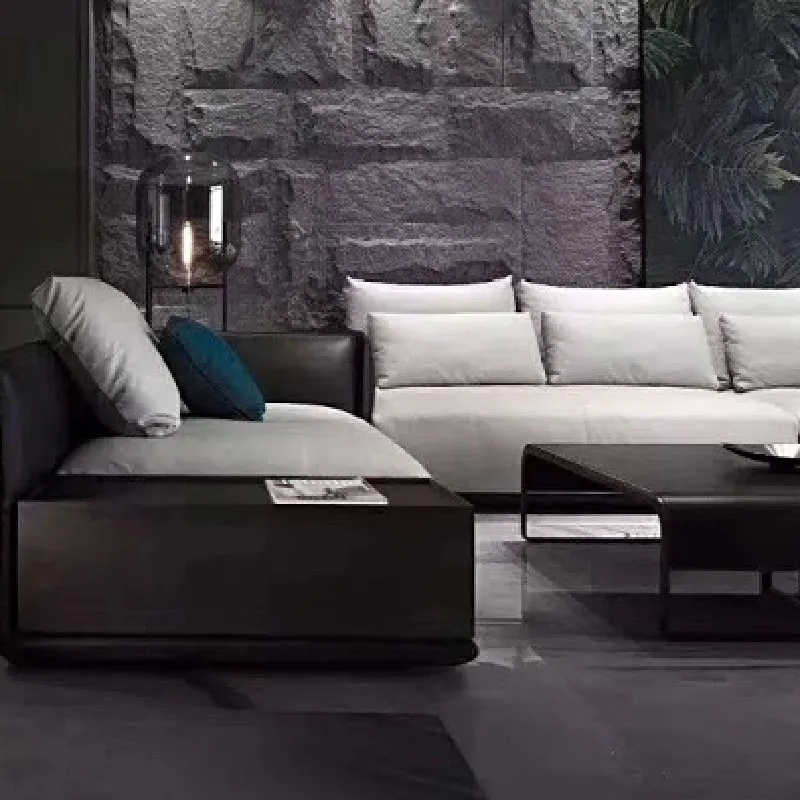
At the end of the day, finding affordable mushroom stone is about balancing three things: quality, cost, and convenience. If you need it fast and don't want to deal with shipping, a local building material supplier is your best bet. If you're working on a big project and want to save, a one-stop architectural solution provider or online B2B supplier might offer better deals. And if you want something unique or need expert advice, a niche mushroom stone supplier is worth the extra research.
Remember, mushroom stone is an investment. It's not just a material—it's a design choice that will stick around for decades. So take your time, compare options, and don't be afraid to negotiate. Most suppliers are willing to work with you on price, especially if you're a repeat customer or buying in bulk.
Happy hunting, and may your walls be forever charming (and affordably so!).
Recommend Products












