
Ever felt overwhelmed searching for reliable plastic valves? You're not alone. Finding quality yet affordable valve systems can feel like navigating a maze of technical jargon and questionable suppliers. This guide will be your compass through the world of plastic valve systems.
The piping landscape has undergone a quiet revolution. While metal valves dominated for decades, plastic valve systems have surged forward as game-changers, especially when you need reliable performance without breaking the bank. These aren't just "cheap alternatives" - when selected correctly, they offer corrosion resistance, lightweight installation, and surprising durability across applications from backyard irrigation to industrial processes.
Take it from industry veterans: the shift toward thermoplastics like UPVC, CPVC, and PP isn't a compromise - it's an upgrade. I remember visiting a wastewater facility where stainless steel valves lasted just 18 months against chemical exposure, while their UPVC replacements were still sealing perfectly after five years of service. That's the kind of value proposition you'll discover in today's plastic valve markets.
Navigating the world of plastic valves means understanding which types deliver maximum bang for your buck:
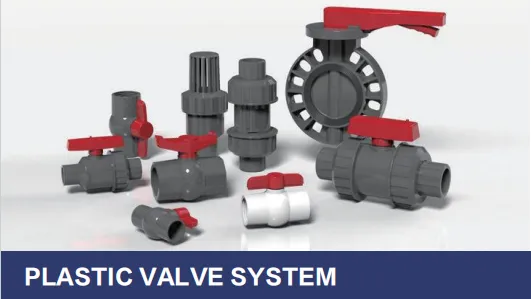
Compact Ball Valves: The workhorses of home irrigation systems. Prices range from $0.18 to $0.80 for half-inch gray PVC valves with wide handles - perfect for DIY projects. Look for octagonal body designs for easier wrench access when maintenance time comes.
Swivel Check Valves: Don't overlook these unsung heroes! Plastic air release valves costing around $1-10 prevent airlocks in pipeline systems. Transparent models like the DN40 socket-type PVC swing checks ($4.55-4.99) are particularly helpful for visual system monitoring.
Solenoid Controllers: For automated systems, plastic-body solenoid valves start at about $5.31-5.99 for small-scale applications. Food-grade low-pressure models with plastic coils bring automation within reach of hobbyists and small farms.
Beyond these staples, you'll discover specialty options like wafer check valves at $0.12-0.50 (brilliant for space-constrained installations) and eccentric butterfly valves that handle slurries without clogging. The common thread? Smart engineering maximizes performance at accessible price points.
When hunting for affordable valves, it's not about finding the absolute lowest price tag. True value emerges when design features align with your actual needs:
Material matters tremendously. PP/PPR blends outperform standard PVC in continuous hot water applications, while PVDF formulations (premium but still affordable) withstand aggressive chemicals that would destroy cheaper plastics. Connection type is equally vital - union ball valves cost slightly more upfront but save hours during repairs compared to glued socket valves.
Pressure ratings tell the real story of durability. You'll see budget valves rated for just 80-100 PSI alongside industrial-grade options handling 150-300 PSI. Never exceed a valve's pressure rating, but don't overpay for capacity you'll never use either. This balancing act is where sourcing platforms like Alibaba shine - bulk pricing brings mid-range valves into household project territory.
Contrary to popular belief, the best deals rarely come from big-box hardware stores. True value hunters explore these sources:
Industrial Marketplaces: Alibaba's wholesale listings reveal how dramatically bulk purchasing slashes prices. Factory-direct sales like Chinese-made ANSI API BS5163 standard valves ($28-242 range) approach 40% below distributor pricing at minimum 5-piece orders.
Specialist Suppliers: Niche manufacturers often offer unadvertised discounts on slow-moving inventory. Searching for "closeout valves" or "overstock fluid control" can uncover gems like $1.38 irrigation valves originally priced at $4.
Supplier Aggregation Sites: Platforms like Amazon Industrial gather quotes from multiple vendors. A recent search for "plastic air valves" showed $0.35-0.80 diaphragm valves with shipping rates significantly lower than individual brand websites.
For complex systems where every valve must interface perfectly, turnkey solutions from turn-key solution providers become cost-effective. Their bulk purchasing power translates into better pricing than you'd get assembling components piecemeal.
Even premium valves underperform with sloppy installation. These pro techniques extend service life dramatically:
Torque matters immensely! Over-tightening cracks valve bodies, while under-tightening guarantees leaks. For 1/2" plastic threads, hand-tighten plus quarter-turn with a strap wrench is generally sufficient. Always support pipes near valves - plastic's flexibility becomes a weakness when unsupported pipes exert leverage.
Environmental prep is non-negotiable. Install frost-proof faucets below freezing depths in cold climates. Protect ultraviolet-sensitive plastics like PVC and PP with paint or insulation wrap if exposed to direct sunlight. One project used simple aluminum foil tape over PVC irrigation valves in desert conditions, doubling their lifespan against UV degradation.
Flow direction mistakes plague DIY installs. Butterfly and check valves are particularly directional - look for stamped arrows indicating proper orientation. Backwards installations immediately compromise performance and void warranties. A quick orientation check during install prevents weeks of troubleshooting later!
The plastic valve landscape evolves rapidly. Where is value engineering heading?
Sustainable composites incorporating recycled polymers and bio-plastics are entering mainstream production - already offering comparable performance at 10-15% price reductions. Smart valve systems represent another frontier; integrated water supply sensors monitor flow rates detecting minute leaks before they escalate. While currently premium-priced, this technology follows the classic electronics trajectory toward affordability.
Modularity represents perhaps the most pragmatic evolution. Leading manufacturers now design valves using standardized components that interchange across multiple models. This allows repairs via $0.50 seals instead of $30 valve replacements, fundamentally changing long-term ownership economics. Your next valve purchase might come with QR codes linking directly to repair schematics and modular spare parts lists.
Where does this leave budget-conscious buyers? These principles consistently deliver the best price-performance balance:
Never compromise on pressure ratings - underspecified valves inevitably leak or rupture prematurely. Do compromise on excessive certifications when unnecessary; a simple NSF 14 rated valve costs significantly less than full ANSI B16 certifications your application may not require.
Bundle purchases strategically. Suppliers extend volume discounts across product lines - ordering all irrigation components together often beats buying individual parts. Don't fear international vendors either; Chinese factories offer quality certifications like ISO/TS16949 with transparent testing documentation that rivals Western brands at dramatically lower costs.
Finally, remember that the true cost includes installation labor. A $5 union valve that installs in 15 minutes often proves cheaper overall than a $3 glued valve requiring specialized equipment and hours of pipe preparation. True value extends far beyond the price tag alone.
Recommend Products












