
Let's start with a scenario we've all heard (or feared): A homeowner moves into their newly renovated apartment, only to find water seeping through the ceiling a month later. A restaurant owner deals with constant drainage backups, disrupting service and frustrating customers. A school's plumbing system fails during exam week, leaving students without running water. More often than not, these headaches trace back to one critical decision: the type of pipes chosen during construction. Pipes might not be the first thing you think about when designing a space, but they're the silent backbone that keeps everything from water supply to waste management running smoothly. And in the world of modern piping, UPVC (unplasticized polyvinyl chloride) has emerged as a go-to choice for builders, contractors, and DIY enthusiasts alike. But before you rush to buy the first UPVC pipes you find, there's a lot to unpack—from understanding what makes UPVC unique to avoiding common installation mistakes. Let's break it all down, step by step.
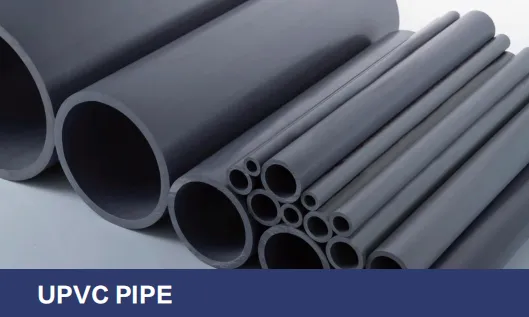
You've probably seen "PVC" labels on everything from water bottles to window frames, but UPVC is a different beast. The "U" stands for "unplasticized," which means unlike regular PVC (which often contains plasticizers to make it flexible), UPVC is rigid, strong, and built to last. Think of it as the tough older sibling in the plastic pipe family—no frills, just durability. Manufacturers make UPVC by mixing polyvinyl chloride resin with stabilizers, pigments, and impact modifiers, then extruding the mixture into pipes of various sizes and shapes. The result? A material that's resistant to corrosion, chemicals, and UV rays, with a smooth inner surface that minimizes clogs. It's lightweight enough to carry with one hand but sturdy enough to withstand decades of use. No wonder it's become a staple in residential, commercial, and industrial projects worldwide.
So, what sets UPVC apart from other piping materials like copper, PPR, or even regular PVC? Let's start with the obvious: cost. UPVC pipes are significantly cheaper than metal alternatives like copper or stainless steel, making them a budget-friendly option for large projects. But affordability doesn't mean cutting corners. UPVC is surprisingly durable—most manufacturers guarantee a lifespan of 50+ years, and many systems last even longer with proper care. Unlike metal pipes, it won't rust, corrode, or develop scale buildup, which means better water flow and fewer maintenance headaches. And let's talk about ease of installation: UPVC pipes are lightweight (you can carry a 10-foot length without breaking a sweat) and join using solvent cement, a simple process that doesn't require specialized tools like welders or torches. Even if you're not a pro, you can learn to install UPVC pipes with a little practice. Oh, and did we mention it's environmentally friendly? UPVC is recyclable, and its production uses less energy than metal pipes, making it a greener choice for eco-conscious builders.
Not all UPVC pipes are created equal. Depending on your project, you'll need to pick the right type—and that starts with understanding the options. Let's break down the most common ones:
UPVC Pressure Pipes (SCH40/SCH80): These are designed to handle pressurized water, like the pipes that bring clean water into your home or office. They're rated by "PN" (pressure nominal), with PN10, PN16, and PN20 being the most common (PN16 can handle up to 16 bar of pressure—more than enough for most residential systems). You'll find these in water supply lines, irrigation systems, and even industrial applications where liquids need to be transported under pressure.
UPVC DWV Pipes: Short for "Drain, Waste, and Vent," these pipes are for non-pressurized applications—think sinks, showers, toilets, and washing machines. They're wider than pressure pipes (to handle larger volumes of water and waste) and have a slight slope to ensure gravity pulls waste downward. DWV pipes often come with special fittings like P-traps (to prevent sewer gases from entering your home) and vent pipes (to equalize pressure and keep water flowing freely).
Specialty UPVC Pipes: There are also niche options, like UPVC well casing pipes (used in water wells), electrical conduit pipes (to protect wiring), and even large-diameter pipes for industrial drainage. No matter what your project needs, there's likely a UPVC pipe tailored to it.
Now that you know the basics, let's get into the nitty-gritty of choosing the right UPVC pipes. Rushing this step is where most people go wrong, so take notes:
1. Project Type & Application: Are you installing a water supply line (pressure pipes) or a drainage system (DWV)? A commercial building with high water usage will need thicker, higher-pressure pipes than a small residential bathroom. Hospitals and schools, for example, often require pipes that meet strict hygiene standards—UPVC fits the bill here, as it's non-porous and easy to clean.
2. Size Matters: Pipes are measured by their diameter (inside and outside) and length. For residential water supply, ½-inch to 1-inch pipes are standard, while DWV pipes start at 1.5 inches (for sinks) and go up to 4 inches (for main drains). Using a pipe that's too small can cause low water pressure or clogs; too large is a waste of money. Check local building codes—they often specify minimum pipe sizes for different fixtures.
3. Pressure Rating: If you're using UPVC for pressurized systems (like water supply), pay attention to the pressure rating (PN). For most homes, PN10 or PN16 is sufficient, but industrial settings might need PN20 or higher. A good upvc pipe supplier will help you match the rating to your project's needs—don't hesitate to ask for guidance.
4. Climate Considerations: UPVC can handle temperatures up to about 60°C (140°F), which is fine for cold and lukewarm water. But if you're installing pipes in an area with extreme cold (like unheated attics), you'll need to insulate them to prevent freezing and cracking. In hot climates, UV resistance is key—look for pipes labeled "UV-stabilized" if they'll be exposed to direct sunlight.
Even the best pipes will fail if installed poorly. Let's walk through the basics of UPVC installation, plus the mistakes to avoid:
Do: Prep the Pipes Properly Before joining pipes and fittings, clean the ends with a dry cloth to remove dirt, oil, or debris. Then, use sandpaper or a pipe scraper to "roughen" the surface—this helps the solvent cement adhere better. Don't skip this step! A dirty or smooth surface is a recipe for leaks.
Do: Use the Right Solvent Cement Not all cements work with UPVC. Buy a solvent cement specifically labeled for UPVC pipes, and check the expiration date—old cement won't bond properly. Apply a thin, even layer to both the pipe and the fitting, then twist the pipe a quarter-turn as you push it into the fitting. Hold it for 30 seconds to set, then let it cure for 24 hours before testing (longer in cold or humid weather).
Don't: Over-Tighten Fittings UPVC is rigid, but it's not indestructible. Overtightening compression fittings or clamps can crack the pipe or fitting—hand-tighten until snug, then give it a quarter-turn more. If you hear a "crack," stop immediately—you've gone too far.
Don't: Ignore Slope for DWV Pipes Drainage pipes rely on gravity, so they need a slight slope to work. The general rule is ¼ inch of slope per foot of pipe (e.g., a 10-foot pipe should slope 2.5 inches downward). Too little slope, and waste won't flow; too much, and water might separate from solids, causing clogs.
Do: Test Before Covering Once installed, test the system with water or air pressure before hiding pipes behind walls or under floors. For water testing, fill the pipes and let them sit for an hour—if the pressure drops, there's a leak. For air testing, use a hand pump to pressurize the system to 50 psi and watch for pressure loss. Catching a leak now is way easier than tearing out drywall later.
You could buy UPVC pipes from a random hardware store, but if you want peace of mind, it pays to choose a reputable upvc pipe supplier. Here's what to look for:
Certifications: Good suppliers will have pipes that meet international standards like ISO, ASTM, or DIN. For example, ASTM D2846 specifies requirements for UPVC pipes used in pressure systems—ask to see certification documents. This ensures the pipes are tested for strength, durability, and safety.
Range of Products: A reliable supplier won't just sell pipes—they'll offer a full line of fittings (elbows, tees, couplings, valves) to match. This is where a pipes fittings supplier becomes invaluable; mismatched fittings are a common cause of leaks. Some suppliers even stock related products like PVC DWV pipes or PPR fittings, making it easy to get everything you need in one place.
Technical Support: Even if you're a pro, questions come up. A good supplier will have knowledgeable staff who can help you choose the right pipe size, pressure rating, or fitting for your project. They might even offer installation guides or on-site support for large jobs.
Reputation: Check reviews online or ask for references from other contractors. A supplier with a history of delivering on time and standing behind their products is worth the extra effort to find.
UPVC isn't the only pipe game in town. Let's compare it to two popular alternatives: PPR (polypropylene random copolymer) and PVC DWV (drain, waste, vent) pipes.
| Feature | UPVC Pipes | PPR Pipes (ppr pipe and fitting supplier) | PVC DWV Pipes |
|---|---|---|---|
| Best For | Water supply, drainage, industrial | Hot & cold water systems (up to 95°C) | Non-pressurized drainage (sinks, toilets) |
| Temperature Resistance | Up to 60°C (lukewarm water) | Up to 95°C (hot water) | Not for hot liquids |
| Installation | Solvent cement (easy, no special tools) | Heat fusion (requires a welding machine) | Solvent cement (similar to UPVC) |
| Cost | Affordable (mid-range) | More expensive than UPVC | Cheaper than UPVC (thinner walls) |
| Lifespan | 50+ years | 50+ years (with proper installation) | 30-40 years |
As you can see, UPVC hits a sweet spot between cost, durability, and ease of installation. PPR is better for hot water systems (like in kitchens), but it's pricier and requires special tools. PVC DWV is cheaper but only for non-pressurized drainage—don't use it for water supply! For most general applications, UPVC is the way to go.
UPVC is low-maintenance, but it's not "set it and forget it." Here's how to keep your pipes in top shape:
Inspect Regularly: Check exposed pipes for cracks, discoloration, or leaks. Pay extra attention to joints—they're the most common leak points. In cold weather, insulate pipes in unheated areas (attics, garages) to prevent freezing.
Avoid Chemical Overkill: Drain cleaners with strong acids or alkalis can damage UPVC over time. If you have a clog, try a plunger or plumbing snake first. If you must use chemicals, follow the instructions and flush with plenty of water afterward.
Watch What Goes Down the Drain: DWV pipes can handle human waste and soapy water, but avoid flushing things like wet wipes, grease, or food scraps—they'll clog even the smoothest UPVC pipes.
At the end of the day, choosing UPVC pipe solutions isn't just about saving money (though that's a nice bonus). It's about investing in a system that's reliable, easy to install, and built to last. Whether you're building a new home, renovating a commercial space, or upgrading an old plumbing system, UPVC checks all the boxes: durable, corrosion-resistant, low-maintenance, and versatile. Just remember: success starts with preparation—know your project needs, choose the right size and type, work with a trusted upvc pipe supplier, and take your time with installation. Do that, and you'll be enjoying leak-free, hassle-free plumbing for decades to come. Here's to smooth flows and stress-free projects!
Recommend Products












