
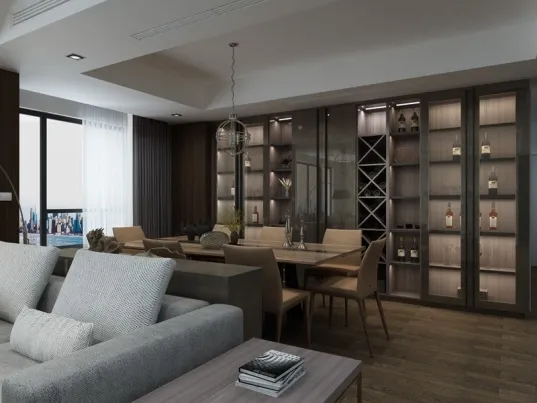
Let's be honest – storing wine isn't just about shoving bottles in a cupboard and hoping for the best. Anyone who's tasted the magic of a perfectly aged Cabernet knows that wine is a living, breathing thing that needs the right environment to reach its full potential. But what actually goes into crafting those beautiful cabinets that preserve our precious vintages? Turns out, there's an entire world of craftsmanship, technology, and yes, some counterintuitive science behind every quality wine cabinet.
Here's the thing most folks don't realize: it's not just about keeping wine cool – it's about keeping it steady . Temperature fluctuations are like kryptonite to fine wine. Ever noticed how that bottle you left on the counter for a few days tastes... off? That's fluctuation at work. Quality cabinets maintain rock-solid temperatures between 50-57°F (10-14°C), depending on the wine's needs. The industry secret? Overkill insulation. We're talking spray foam seals tighter than a submarine door, ensuring that outside temperature swings never disturb the peaceful slumber inside.
"The single most important thing isn't the temperature number itself, but how little that number moves. Even expensive bottles can handle 60°F if it never budges. But swing between 55°F and 75°F? That's how you turn grand cru into cooking wine." – Decades-long wine collector and cabinet maker
Remember that cheap wine cabinet that dried out your corks? That's what happens when humidity takes a backseat. Traditional cork stoppers need about 65-75% humidity to stay plump and sealed. Synthetic corks are more forgiving, but why risk it? Top cabinet designs incorporate passive humidity systems – think water reservoirs or specialized materials that naturally regulate moisture without complicated electronics that break.
Bonus tip: That whitish dust on some older bottles? That's tartrate crystals – completely harmless and actually a sign your humidity is on point! Don't wipe it off thinking it's mold.
That gorgeous mahogany exterior? It's not just a fashion statement. The best makers select woods like cedar, redwood, or teak not only for looks but because they naturally resist warping in humid environments. Cheaper cabinets skimp here, using materials that buckle or mold over time. And the inside frame? Marine-grade plywood outperforms solid wood every time for stability.
Vibration is the silent wine assassin. Ordinary compressor units create micro-vibrations that disturb sediment and accelerate aging. The best manufacturers isolate compressors with rubber mounts or use thermoelectric systems that run virtually silent. Next time you see a wine cabinet, place your hand on it while running. If you feel any vibration at all, keep looking!
Vibration Test Trick: Place a wine glass filled halfway on a shelf. If you see ripples when the system kicks on, walk away. Your Pinot Noir deserves better.
Most generic "wine refrigerators" stop working when room temps drop below 60°F. Fine wine deserves better. Premium cabinets use dual-circuit systems that both cool and heat . Winter basement dropped to 45°F? The system warms the interior to your set temperature. Summer heat wave? It cools back down. True year-round consistency.
"People get sticker shock until I explain their $3,000 Bordeaux collection can be ruined overnight by a seasonal temperature drop. Dual-circuit isn't luxury – it's insurance."
Thermoelectric systems aren't just bad for warm climates – they're inefficient power hogs that struggle to recover after door openings. Quality compressors might cost more upfront but save energy and last longer. Remember: thermoelectric units rarely last beyond 5 years, while compressors go 15+ years with proper care.
Triple-pane glass isn't marketing fluff – it creates thermal breaks to prevent condensation and UV coating protects against light damage. And the seal? Premium magnetic gaskets maintain vacuum-tight closure without making doors hard to open. Cheaper vinyl seals deteriorate, leaving gaps that compromise climate control.
Standard sizes rarely fit real-world spaces. Custom solutions let you utilize awkward nooks or integrate with kitchen cabinetry seamlessly. Modern manufacturers can create flush-fit installations where only the door front shows, blending beauty and function. Forget the "furniture piece" look – make it part of your architecture.
Spotted in luxury designs: Hidden ventilation systems that pull air through toe-kick spaces, eliminating noisy side vents and enabling flush installations against walls.
Simple preventative steps make all the difference:
These basics add years to your cabinet's life with minutes of annual effort.
Spotting quality comes down to the small stuff – how joins meet, how finishes wrap corners, whether wiring is neatly routed. Hand-built cabinets feature dovetail joints and solid wood edging; factory models show staples and particle board. That attention translates directly to longevity. As one third-generation woodworker told me:
"People taste the difference between a $10 and $100 bottle of wine. Our job is to build something that helps them taste that difference ten years later."
Whether you choose warm wood tones or sleek steel aesthetics, prioritize construction integrity over flashy features. LED lighting and digital screens won't preserve your wine – proper insulation, stable temperatures, and vibration-free environments will.
Recommend Products












