
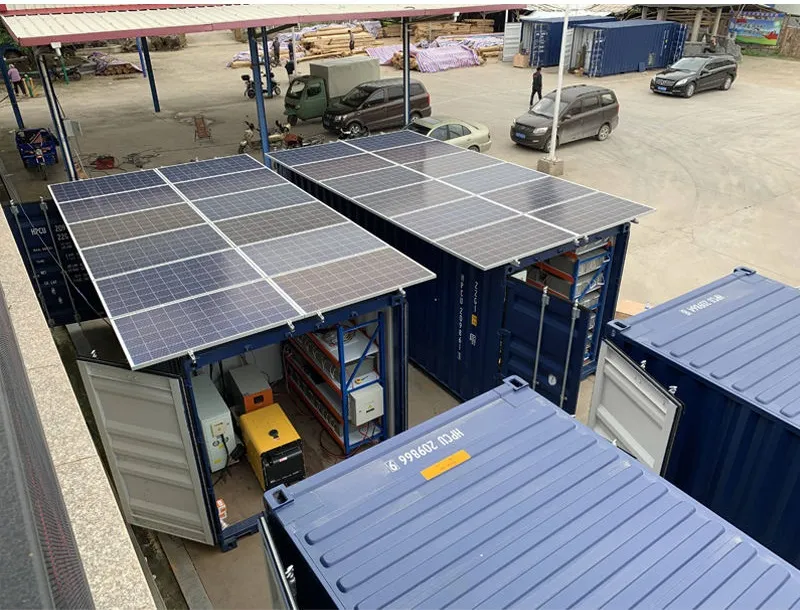
Hey there! Let's talk about something that's truly changing the way we power our world: solar panels. These shimmering rectangles you see on rooftops? They're not just simple slabs of glass and metal. Each one is a carefully crafted piece of technology born from a fascinating manufacturing journey. It all starts with sand – regular beach sand – and transforms through chemistry, physics, and engineering into efficient energy harvesters.
Did you know the solar industry is now creating more jobs globally than the fossil fuel sector? The revolution isn't coming – it's already here in your neighborhood, one panel at a time.
Let's break down what makes up a solar panel. While designs vary, all photovoltaic modules contain these core components:

Here's where things get interesting. The transformation journey begins with silicon dioxide – that's regular sand to you and me. But we're not talking about just scooping up beach sand here. This material goes through multiple purification stages:
Silica sand gets heated to extreme temperatures (we're talking thousands of degrees!) to drive off oxygen, leaving behind metallurgical-grade silicon at about 99% purity.
Through the Siemens process, silicon converts to silane gas which flows over hot filaments, depositing pure silicon atoms layer by layer like frost building up on a wire.
Molten silicon forms crystal structures. Monocrystalline panels use the Czochralski method: dipping a seed crystal into molten silicon and slowly pulling it up while rotating, creating a beautifully uniform cylinder.
Now we've got big silicon cylinders or bricks. The next step turns them into delicate wafers – a marvel of precision engineering:
Diamond-coated wires cut through the silicon ingot like a hot knife through butter. This creates slices that are almost paper-thin – about 180-200 microns.
Silicon wafers get immersed in an alkaline bath. This isn't a simple cleaning – it etches microscopic pyramids onto the surface that work like light traps to capture more photons.
You're probably reading this on an electronic device. That wafer in your phone's chip was made using essentially the same techniques – solar tech is basically semiconductors grown up!
So we have silicon wafers with their textured surfaces. Now we need to transform them into photovoltaic cells capable of generating electricity:
Here's where it gets sci-fi. Phosphorus gas gets diffused onto one side of the wafer to create an N-type layer. This creates an electrical imbalance between the wafer's top and bottom.
A thin silicon nitride layer gets applied that turns that reflective surface deep blue. This layer helps trap photons rather than bouncing them away.
Using precise screen printing techniques, silver paste creates those characteristic grid lines on the front surface to collect electrons. Aluminum coating on the back creates the bottom electrical contact.
Now we've got solar cells ready for their protective encasement. This is where things come together in a carefully orchestrated sequence:
Cells get connected in series using copper ribbons coated with solder. Robots gently handle these fragile wafers in a breathtaking dance of precision.
The sandwich construction begins: glass on bottom, then EVA encapsulant, followed by our cell strings, another EVA layer, and finally the backsheet material.
This stack goes into a laminator that applies heat, vacuum pressure, and time. The EVA layers melt, flow into every space, then cure into tough transparent plastic sealing the cells.
An aluminum frame gets mounted with special corner brackets. Finally, the junction box is attached on the back to provide safe electrical output points.
Before panels leave the factory, they face intensive scrutiny using:
That quality guarantee on your panels? Manufacturers back it because they've simulated 25 years of weather abuse before that panel ever left the factory.
Not all solar panels are created equal. When evaluating your solar panel suppliers, consider these factors:
Modern silicon manufacturing delivers incredible solar power efficiency – premium panels now convert over 22% of sunlight hitting them into electricity. That's double what they achieved just 15 years ago!
What we've described represents today's solar technology. But labs worldwide are developing next-generation solutions:
These experimental cells could potentially be printed like newspapers while matching silicon efficiency.
Double-sided panels capture reflected sunlight from surfaces below them.
Think solar windows, roof tiles, and facade panels becoming the norm.
So when you see those panels going up on a rooftop, what you're really seeing is thousands of hours of research and precision engineering – all devoted to turning the most abundant energy source we have into the electricity that powers modern life.
Recommend Products












