
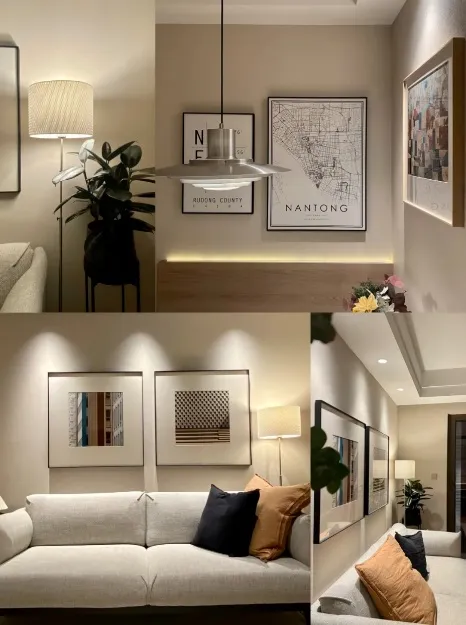
Ever wondered how that sleek LED pendant light above your dining table came to be? Or why your neighbor's architectural lighting solutions always look like something out of a design magazine? The journey from factory floor to your ceiling involves way more than just flipping a switch. Let's peel back the layers on how lighting fixtures are born.
Before anything gets built, designers huddle to solve real-life problems. "How do we create LED lights that won't blind you at 2 AM?" or "Can we make commercial lighting tech feel cozy in a bedroom?" This stage is all about balancing looks, function, and the holy grail – energy efficiency.
Fun fact: The average residential light goes through 12+ prototypes before hitting production. That's more revisions than your last home renovation!
Top China lighting manufacturer facilities start with raw ingredients like aluminum housings, polycarbonate diffusers, and of course – those tiny but mighty LED chips. Sourcing is a global game:
| Part | Common Source | Why It Matters |
|---|---|---|
| LED Chips | Taiwan, South Korea | Determines brightness & color accuracy |
| Heat Sinks | Recycled Aluminum (Local) | Prevents overheating & extends lifespan |
| Diffusers | German Chemical Plants | Creates soft, glare-free light |
This is where things get kinetic. In facilities crafting architectural lighting solutions, you'll find:
One factory manager told me: "We treat residential units like commercial lighting – same stress tests, same precision. Your bedroom shouldn't get second-rate tech."
Ever notice how some LED lights last 5 years while others flicker out in months? The difference happens right here. Rigorous testing includes:
Spectrometers analyze 100+ units to ensure every bulb matches – no "warm white" surprises!
Infrared cameras spot hot spots that could shorten lifespan
Lights endure simulated years of on/off cycling in days
Many China lighting manufacturer hubs now use AI-powered visual inspection that catches flaws human eyes would miss – like micro-fractures in glass pendants.
Modern lighting factories are quietly revolutionizing waste management:
One game-changer? Modular designs allowing easy repair instead of replacement. As one engineer put it: "The greenest light is one you never throw away."
Understanding the behind-the-scenes journey helps you:
Decode specs wisely – "50,000-hour lifespan" means nothing without proper heat management
Spot quality differences – weight indicates material thickness, not cheap hollow housing
Ask informed questions – "What's the CRI?" matters more than wattage for true colors
Next time you flip a switch, remember the symphony of innovation – from global material sourcing to painstaking quality checks – that makes modern residential lighting both beautiful and brainy.
Recommend Products












