
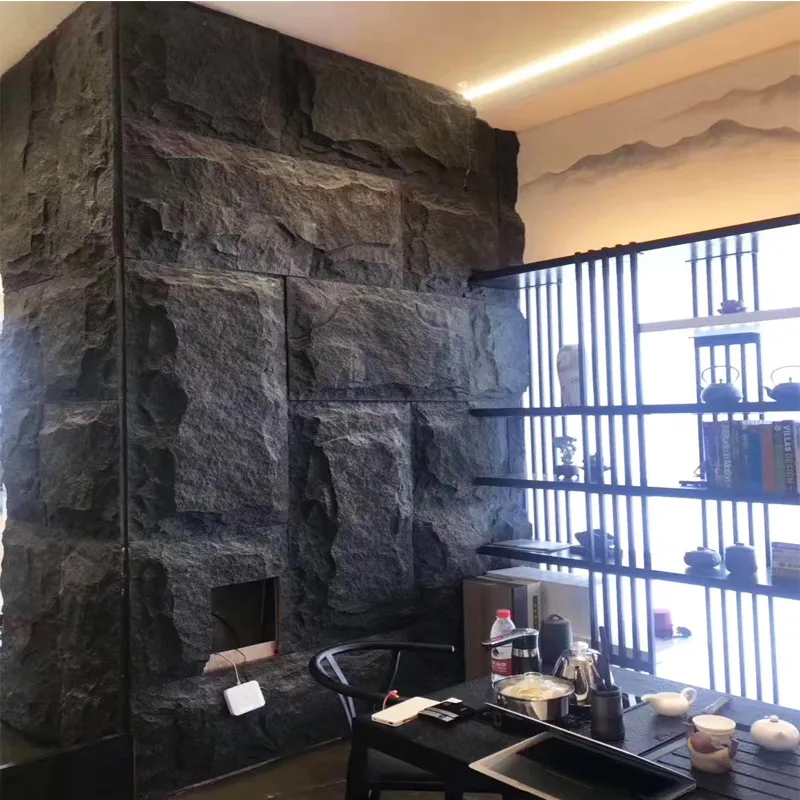
You've probably walked past buildings adorned with these charismatic stones - their unique mushroom cap shapes creating texture that seems to whisper stories of ancient landscapes. Mushroom stone isn't just masonry; it's a conversation between nature and craftsmanship. Unlike regular stone veneers, each piece tells its own story through intentional imperfections, making your walls feel less like structures and more like natural landscapes brought to life. These aren't manufactured products in the industrial sense; they're nature's raw beauty transformed through human hands .
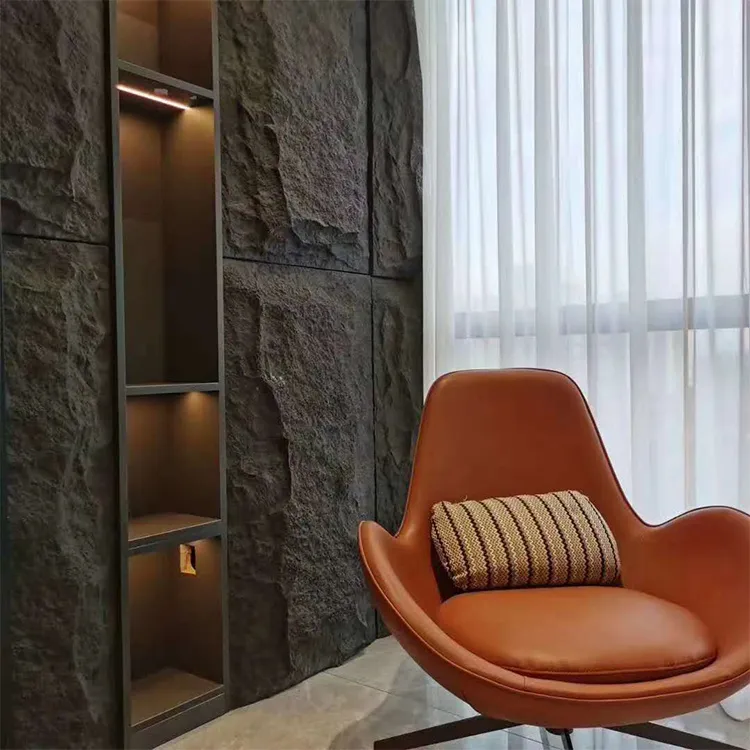
Our journey begins where the earth shares its treasures:
Granite's resilience makes it the heavyweight champion of outdoor installations. Craftspeople describe working with granite as "negotiating with mountains" - its stubborn density requires diamond-tipped saws just to make initial cuts. The reward? Surfaces that laugh at weather and wear, maintaining their character through decades of seasons. When processed, granite mushroom stones become natural guardians - perfect for garden walls that stand sentry against time.
Slate is the sensitive poet of the stone world. Its layered personality responds to gentle persuasion rather than force. Artisans often say slate "sings under the chisel" as thin layers release with crystalline chimes. This stone reveals surprising color variations - from stormy greys to sunset rusts - when the mushroom caps emerge. Slate's fragility demands hand-hammering, making each piece unique as a fingerprint, ideal for interior accent walls where its layered texture catches the light.
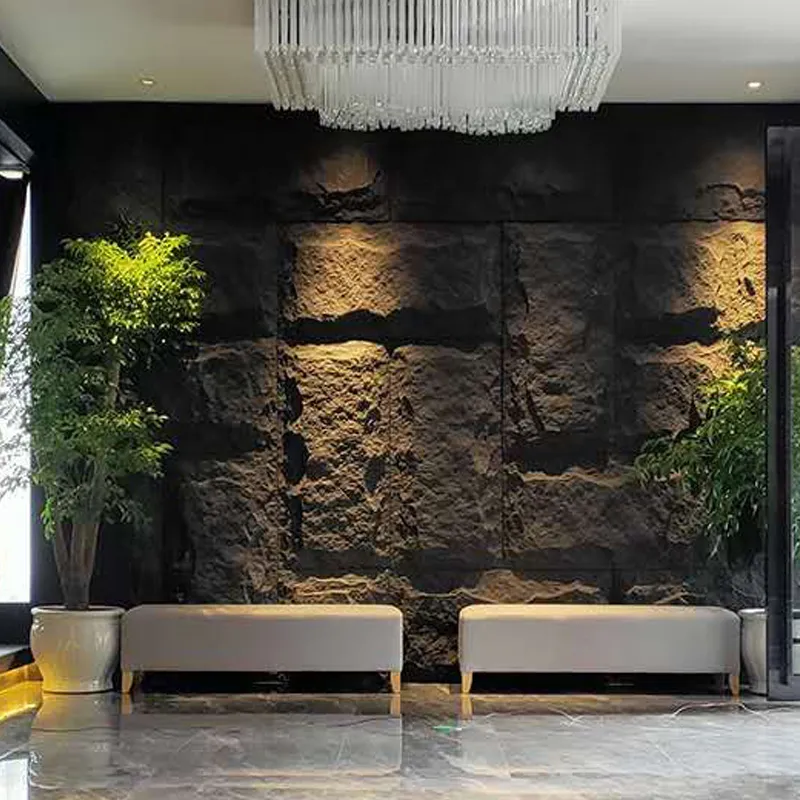
Walk into any stone workshop and you'll hear the rhythmic percussion that transforms rock into art:
Block sawing isn't mechanical - it's choreography. Diamond blades whisper through stone blocks while water cools their passion, creating slabs with clean potential. Old-school artisans watch grain patterns like fortune tellers, reading the stone's natural inclination before deciding where the mushroom caps will emerge. For larger granite blocks, saws make parallel cuts that leave a thin connection point - like cutting paper dolls - so a single chisel strike liberates twin mushroom stones.
Here's where stone meets soul. Workers don't just cut; they converse with the stone. Light taps around the emerging cap's perimeter create a "stress line," then strategic heavier blows liberate the mushroom's crown. Granite requires firm persuasion - chisel points biting deep with resonant "thwock" sounds. Slate answers to feathered touches - you can actually hear the difference as experienced workers shift between "granite talk" and "slate whispers." This stage is where personality emerges: An extra-tilted cap here, a deeper undercut there - it's stone jazz improvisation.
Edging is a meditation. With smaller rifflers (specialty chisels), artisans add character marks along the cap's circumference - not random, but mimicking centuries of natural weathering. This is the difference between machine uniformity and handcrafted authenticity . You'll see workers close their eyes during this phase, fingers reading the stone like Braille to ensure tactile harmony. The goal isn't perfection - it's creating edges that feel like they've always existed.
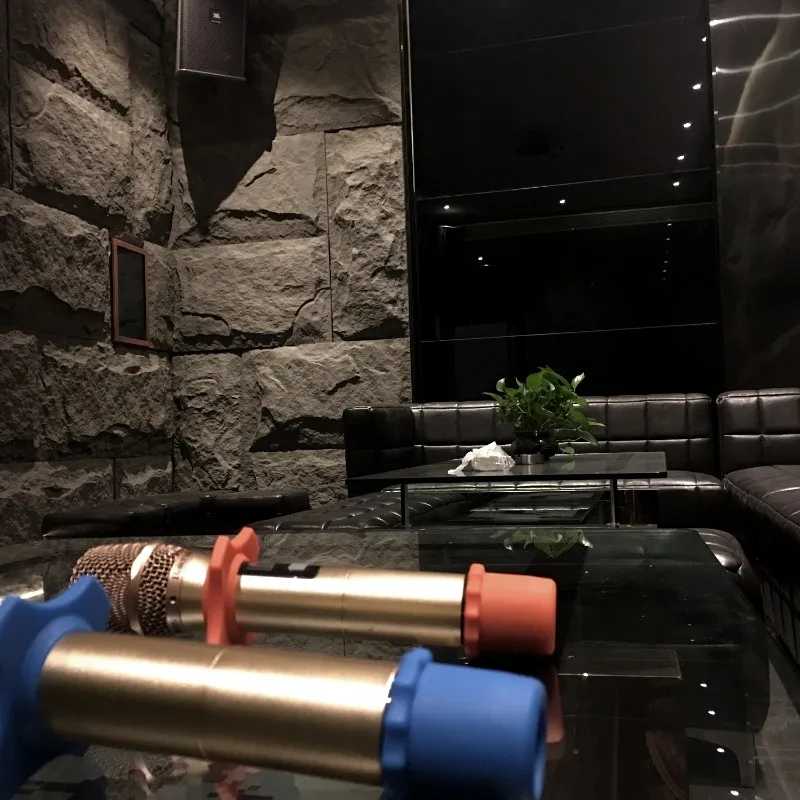
Unlike synthetic materials, mushroom stone ages with dignity. Its low radiation levels are dwarfed by your smartphone's emissions, making it truly family-friendly. Granite varieties particularly contain crystalline structures that actually clean surrounding air through ionic reactions - a natural purifier in your living space.
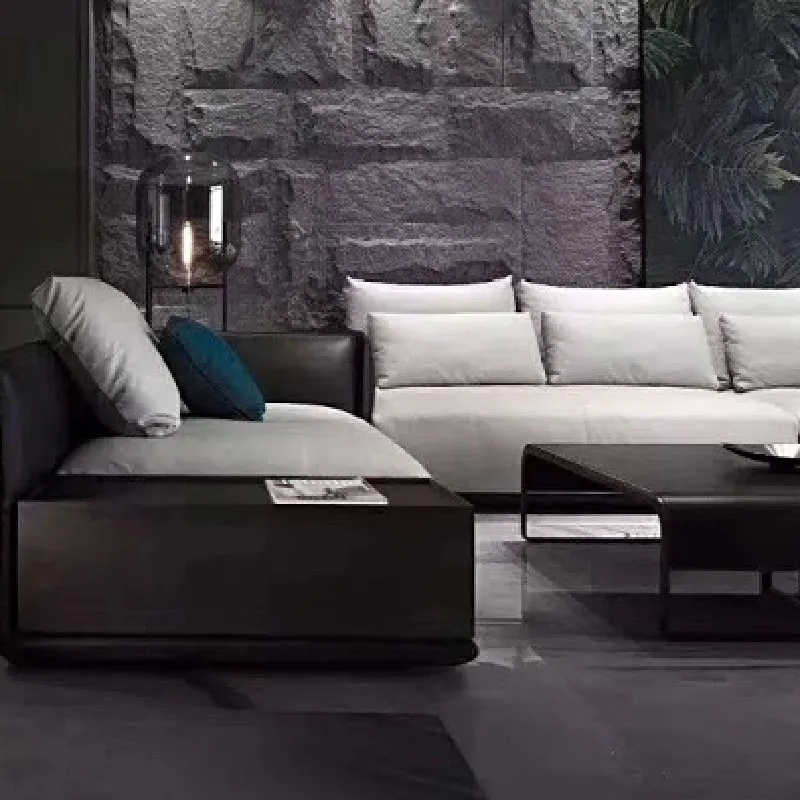
Standard tiles beg for attention while mushroom stones confidently command it. Their three-dimensional depth creates ever-changing shadow paintings as sunlight moves across your walls. The handcrafted imperfections become focal points - not flaws - telling visual stories that flat surfaces simply can't.
Mushroom stones drink just enough rainwater to develop character-enhancing patinas, then shed excess moisture like duck feathers. Their breathability prevents moisture traps that plague painted walls, making them ideal for damp climates where other surfaces surrender to mold.
Generations from now, your mushroom stone walls will remain storytellers. Their surface hardness (7+ on Mohs scale for granite) shrugs off scratches that would scar softer materials. Freeze-thaw cycles actually enhance their character rather than causing deterioration - nature and craftsmanship in perfect alliance.
Proper installation transforms these stones from materials to living architecture:
Before stone meets wall, installers perform "wall therapy" - hunting for hidden fractures or weak areas. They apply cement "bandages" (leveling layers) across troubled zones, ensuring a solid foundation that'll stand the test of time. This initial care prevents future "stone migraines" like shifting or cracking.
Dry-layout is like solving a 3D puzzle. Installers arrange stones on the ground first, hunting for natural visual rhythms. They'll rotate pieces for hours seeking "that look" where shadow patterns flow like music. Crucially, they create balanced groupings - clustering larger caps with smaller companions for naturalistic balance. The best installers know when to fight pattern instincts and let disorder create harmony.
That mortar? It's precision-tuned chemistry. Installers adjust cement-to-sand ratios like baristas perfecting espresso blends. Thicker mixtures anchor weight-bearing granite, while silkier blends cradle delicate slate. Each stone receives a personal "mortar hug" - enough adhesive to bond securely but allowing micron-scale movement as temperature changes. Expert application prevents dreaded "mortar halos" that cheapen installations.
The final touch transforms installation to art. Grout isn't filler - it's contrast framing. Master installers sculpt joints with concave tools, creating shadow lines that highlight each mushroom cap. Color selection becomes critical: Charcoal grout makes granite caps pop, while warm sands complement slate's natural tones. The process concludes with brush-cleaning (never hosing!) that leaves surfaces vibrantly textured.
Whether gracing a cottage garden wall or lending architectural character to contemporary spaces, mushroom stone carries humanity's timeless connection with nature. Each installation becomes a landmark - not just structurally but emotionally. Buildings clad in these stones don't stand passively; they lean out into the world, sharing tactile poetry with every passing glance.
Choosing mushroom stone isn't selecting materials - it's choosing a legacy written in geological time. Its strength comes not from resistance, but from harmonious existence. These stones whisper: " We've witnessed centuries. Let us tell your story too. "
Recommend Products












