
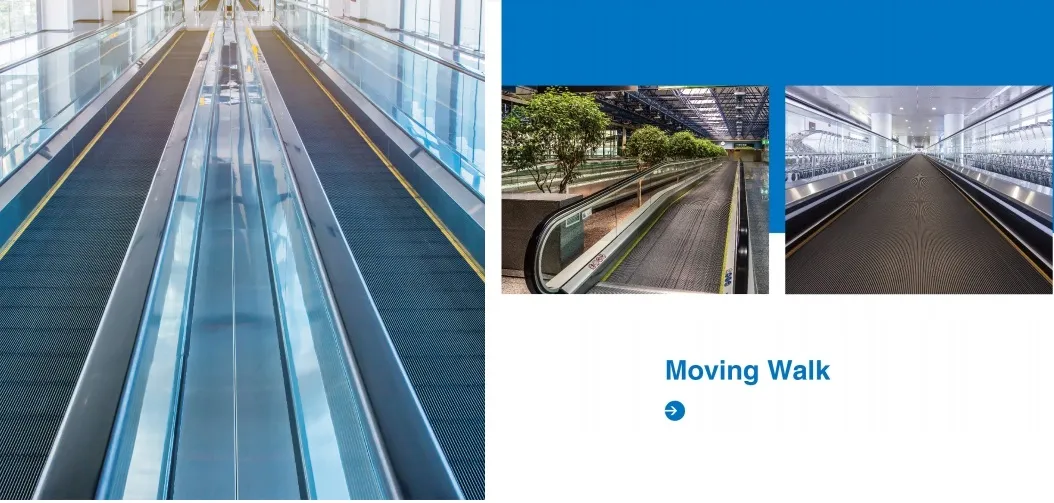
Ever wondered how those magical moving sidewalks at airports work? You know, those conveyor belt-like pathways that glide you effortlessly from Terminal A to B? Well, I'm here to pull back the curtain. As someone who's spent years in building materials and construction, I can tell you the process of making moving walkways is a fascinating marriage of engineering, precision manufacturing, and pure innovation.
These people-moving marvels are way more than just long conveyor belts. They're sophisticated systems requiring specialized high-quality building materials , custom engineering solutions, and rigorous testing. Over the next few sections, we'll walk through how these systems come to life - from initial design concepts to final installation. Trust me, it's way cooler than you might think.
Fun fact: The modern moving walkway traces its roots back to 1893 when one was showcased at the Chicago World's Fair. But today's versions? They're light-years ahead in both technology and manufacturing precision. The key evolution? Focus on durability and seamless integration with building designs.
Everything begins with precise engineering. Before a single piece gets manufactured, teams of engineers map out every detail. They consider:
Digital prototyping plays a huge role here. Using advanced CAD software, engineers create 3D models that simulate everything from passenger flow to structural stress points. This stage also determines the types of electrical equipment and cable needed to power the system efficiently.
| Design Phase | Key Activities | Duration |
|---|---|---|
| Concept Development | Client requirements analysis, space measurements | 1-2 weeks |
| Technical Design | Structural engineering, load calculations | 2-3 weeks |
| System Simulation | Virtual testing of mechanical operations | 1 week |
| Final Blueprint | Detailed schematics for manufacturing | 1 week |
This is where things get physical. Choosing the right building materials makes all the difference for performance and longevity. Top manufacturers work with specialized suppliers to source:
Quality is non-negotiable here. Manufacturers source materials globally, often partnering with suppliers who provide high-performance decorative stone elements for architectural integration and premium metal alloys for structural components. The goal? Create a system that withstands millions of passenger journeys without failure.
Now we get to the factory floor action. The manufacturing process blends robotic precision with skilled craftsmanship:
Pro tip: The most sophisticated manufacturers use vibration analysis during assembly. Sensors detect microscopic imbalances that could lead to premature wear. It's like giving each walkway a "physical" before it leaves the factory!
Automation plays a huge role, but human oversight remains critical. Teams must follow rigorous protocols for material verification and assembly precision - especially for custom projects requiring integration with specific decorative profiles or architectural styles.
Here's where things get powered up. The electrical systems transform these platforms from static structures into moving pathways:
| System Component | Function | Key Materials/Specs |
|---|---|---|
| Drive Motor System | Primary locomotion | High-torque motors, speed controllers |
| Control Electronics | System regulation | Microprocessor units, sensors |
| Safety Circuits | Obstacle detection | Infrared sensors, emergency stops |
| Handrail Drive | Synchronized movement | Independent motor system |
| Power Distribution | Energy management | Copper busbars, protected wiring |
Installation of electrical equipment and cable requires specialized knowledge. Technicians meticulously route power and control cables through protective conduits, ensuring absolutely no interference with moving parts. Everything gets labeled, tested, and documented according to international safety standards.
The control systems deserve special mention. Modern walkways use programmable logic controllers (PLCs) that constantly monitor performance metrics like speed variance, component temperatures, and power consumption. These allow for:
Before any walkway leaves the factory, it undergoes exhaustive testing - and I mean exhaustive. Manufacturers run each system through procedures that simulate years of operation in just weeks:
| Test Category | Methods | Acceptance Criteria |
|---|---|---|
| Endurance Testing | Continuous 500-hour operation at full capacity | Component wear within specifications |
| Safety Verification | Obstacle detection tests with various objects | Instant stop within 0.3 seconds |
| Load Capacity | Simulated passenger loads exceeding design specs | No structural deformation |
| Environmental Testing | Operation in temperature/humidity extremes | Performance within safety margins |
| Vibration Analysis | Accelerometer measurements on all moving parts | Harmonics within tolerance bands |
This stage often reveals where material choices matter most. Systems using high-quality building materials consistently outperform competitors in vibration tests and thermal cycling. Top manufacturers maintain onsite testing facilities that simulate real-world conditions from tropical humidity to freezing cold.
The most impressive test? The million-step challenge. They actually run test "passengers" (weighted mannequins) through thousands of simulated journeys while monitoring every component. Only after passing every test does a walkway get certified for installation.
The final phase brings everything to the actual building site. This is precision work that requires:
What most people don't see is the architectural integration work. Modern walkways often incorporate custom decorative profiles to match surrounding decor. Side panels might be clad in materials that complement the terminal's aesthetic, while safety elements get color-matched to surroundings.
Installation challenge: The toughest part isn't assembling the walkway itself - it's integrating it without disrupting existing operations. Airports installations often happen overnight, with teams working 2am-5am shifts between flights!
Here's something manufacturers don't always highlight: their job doesn't end at installation. Top companies provide ongoing maintenance programs that essentially extend the manufacturing process into operational life:
These protocols rely heavily on the original manufacturing specifications and material choices. Systems built with high-quality building materials require fewer maintenance interventions and deliver lower lifetime costs - despite higher initial investment.
The best manufacturers even track material wear patterns globally to improve future designs. That microscopic pebble that causes grooves in airport walkways? That data gets fed back to materials engineers for composite improvements.
After walking through this process, you can appreciate why it typically takes 12-16 weeks to deliver a custom walkway. It's not just assembly line production - it's precision engineering brought to life.
The manufacturing approach directly impacts:
| Manufacturing Factor | Outcome Impact |
|---|---|
| Material Selection | Longevity, noise levels, maintenance needs |
| Precision Assembly | Smooth operation, vibration reduction |
| Testing Rigor | Safety performance, failure prevention |
| Electrical Integration | Energy efficiency, control accuracy |
For building managers choosing systems, understanding this process helps identify quality manufacturers. The company investing in exhaustive material testing? They'll likely deliver 20+ years of trouble-free service. The one cutting corners on components? That system might become a maintenance headache in just 5 years.
Today's leaders in walkway manufacturing are pushing innovation through their production techniques:
Next time you glide through an airport or stroll through a convention center's moving pathway, you'll appreciate the intricate manufacturing journey. It's not just about getting from point A to B - it's a testament to precision engineering that blends:
The industry continues advancing as manufacturers develop even quieter systems, more energy-efficient drives, and smarter self-monitoring capabilities. But the foundation remains unchanged: rigorous manufacturing processes using high-quality building materials and precision electrical systems.
For architects and construction professionals, appreciating these manufacturing realities means specifying systems that will perform reliably for decades. Because in this industry, how these systems are made matters just as much as what they do!
Recommend Products












