
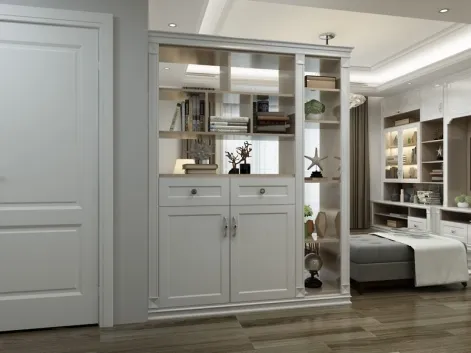
Ever run your hand along the edge of a really nice console cabinet? That smooth finish, the satisfying weight when you slide it into place – it's easy to forget how much human ingenuity goes into making what looks like a simple piece of furniture. Console cabinets sit quietly in our homes, holding TVs, books, or family photos. But beneath that calm surface lies an entire world of craft, precision, and some pretty clever engineering. Whether you're redecorating your living room or just curious about how things are made, understanding this process gives you a whole new appreciation for what you're buying. And let's be honest, who hasn't struggled with cheap furniture that wobbles or chips? Knowing what goes into the real deal helps avoid those headaches.
Imagine an architect sketching a building. Console cabinets start the same way – with detailed plans that go beyond just looks. Designers wrestle with questions like: "How much weight can these drawers hold?" or "Will this fit through standard doorways?" They’re constantly balancing style with physics and practicality. It's where beauty meets engineering – curves drawn on paper later need to be shaped without compromising structural strength. This isn't just drawing pretty shapes; it's designing for everyday life – toddlers climbing, dogs bumping against corners, and years of opening and closing doors.
This is where things get real. What’s your cabinet made of? Plywood might sound boring, but not all plywood is created equal. There's the mass-produced stuff, and then there’s the kind grown in carefully managed forests that’s denser and lasts decades. Solid wood? Beautiful, sure, but it dances with humidity – expanding and shrinking like it’s breathing, which can be disastrous if not treated just right. Laminates offer wild colors and wilder resistance to coffee spills, but feel different under your fingertips. Even metals come into play – steel legs that anchor TVs securely.
Reality Check: Outdoor cabinet or handling game consoles that heat up? Material isn’t just about looks – it’s about survival. Heat, cold, and damp weather become your design enemies. That rustic reclaimed wood might look great indoors but could warp into a Picasso sculpture outdoors.
First step is sizing that raw material. Modern workshops use CNC machines – giant robotic saws guided by computer designs. These machines slice plywood sheets with laser precision. But here’s the thing: master woodworkers still make judgment calls. They inspect each plank, noticing subtle grains or weaknesses humans see but machines miss. It's this blend of tech and touch that prevents waste and ensures the best pieces go to visible parts of the cabinet.
Water is wood's worst frenemy. Solid wood enters drying kilns not unlike large ovens, where controlled heat wicks moisture out gradually – too fast and cracks spider-web through the surface; too slow and you risk mold. Once bone-dry, veneers get shaped. Heat and pressure mold them around curves or laminated onto cores. This isn’t just pressing wood – it’s persuasion, convincing stiff sheets to take flowing forms without snapping or bubbling.
Now those pieces assemble. Glue isn't just squeezed from a bottle – specialty adhesives get spread evenly over joints meant to last generations. Then comes pressing, where hydraulic machines clamp everything into place. Good factories do this in stages – assembling inner frames first, then attaching outer panels, ensuring alignment is perfect. Imagine watching drawers glide silently decades later – that smoothness starts with millimeter precision here.
Insider Secret: High-end manufacturers layer thin wood sheets perpendicularly (a technique Garnica uses), creating plywood that resists warping like champ. More layers mean higher quality – it's like armor against everyday life.
Freshly pressed cabinets feel as rough as tree bark. Enter sanding rooms buzzing with belts and discs stripping imperfections away. Craftspeople might sand through three progressively finer grits – creating a surface so smooth it feels like polished stone. Then they run quality checks: rulers against edges, fingertips along corners hunting for the tiniest splinter that could ruin a living room moment.
This is the cabinet's public face. Paint sprays on via robotic arms for flawless coats, but artisans might hand-stain woods to enhance natural grains – literally brushing life into patterns. Natural finishes go beyond aesthetics; UV-treated surfaces combat sun damage, while fire-resistant coatings provide safety invisibly. It’s chemistry meeting art – a clear coat applied today prevents that wine ring tomorrow.
Hardware matters. Soft-close drawer slides that whisper shut instead of slamming? Brushed nickel handles that stay fingerprint-free? This phase transforms boxes into functional furniture. Installers fit components with surgical care – adjusting slides until drawers glide frictionless, leveling feet until the cabinet stands solid on uneven floors. Ever pushed a cabinet to find it rocks? That’s quality control slipping here.
Pro Tip: If you're looking for a truly personalized piece, consider exploring custom furniture options where dimensions, materials, and finishes adapt to your space and taste. The magic happens when design meets your specific needs.
Ever unboxed something scratched despite perfect foam? Packaging is a science. Corner braces reinforce vulnerable edges, while inflatable air-pillows stop panels rubbing during shipping. High-end brands often disassemble legs and pack drawers separately – less chance of damage during transit. That crisp condition on arrival? It’s no accident.
Professional installers don’t just plop it down. They level units meticulously, anchor wall-mounted pieces securely into studs, adjust doors to hang perfectly parallel, and test every drawer's movement. This final touch guarantees silent operation and prevents future issues like sagging or sticking doors. It's the difference between furniture and furnishing.
We've walked through sawdust-filled factories and drying kilns, past artisans sanding edges smooth. This journey shows console cabinets aren't just "stuff" – they're collaborations between foresters, engineers, designers, and woodworkers. When you open a drawer and it slides like silk, that’s not luck; it’s precision planning. When it survives a house move intact, that’s thoughtful material choices. Ultimately, investing in this process saves you from wobbly regrets and gives you something to confidently pass down – a sturdy, beautiful anchor for memories in your home.
Recommend Products












